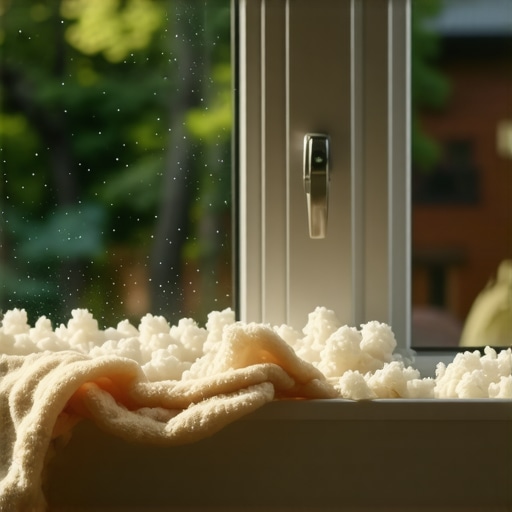
The Physics of the Fogged Window
When the mercury drops in the dead of winter, your windows become the most thermally vulnerable point in your home envelope. I have spent over two decades inspecting glass units where homeowners complain about moisture. They often think the seal has failed, but usually, it is a simple matter of the dew point meeting a cold surface. Condensation is the visible manifestation of water vapor transitioning into a liquid state because the glass temperature has fallen below the saturation temperature of the interior air. This is not just a cosmetic issue; persistent moisture on the sash or glazing bead eventually leads to mold and structural degradation of the rough opening. While many people look to replace windows immediately, understanding the thermal dynamics can save you thousands in unnecessary window repair costs.
The Condensation Crisis: A Milwaukee Case Study
A homeowner in Milwaukee once called me in a panic because their brand new double-pane units were ‘leaking’ so badly that water was pooling on the floor. I did not reach for my caulk gun. I reached for my psychrometer. I discovered their interior relative humidity was nearly 55 percent while it was 5 degrees outside. I had to explain that the windows were performing exactly as designed, but they were being overwhelmed by the interior environment. It was not a hardware failure; it was a physics problem. They were boiling pasta and running a humidifier without any mechanical ventilation, turning their living room into a steam room. No amount of window cleaner can fix a humidity imbalance.
“Condensation resistance is a measure of how well a window product resists the formation of condensation on its interior surface. The higher the CR rating, the better the product is at resisting condensation.” – NFRC (National Fenestration Rating Council) Fact Sheet
The Science of the Sock and Kitty Litter Hack
You may have seen the viral suggestion to fill a sock with kitty litter and place it on the windowsill. As a master glazier, I can tell you that this is not just an old wives’ tale; it is a localized application of desiccant technology. Most high-quality Insulated Glass Units (IGUs) contain a desiccant hidden inside the spacer bar to absorb any trace moisture within the air space. By placing a sock filled with silica-based or highly absorbent clay litter on the sill, you are creating a ‘humidity sink.’ The litter adsorbs the moisture from the micro-climate directly adjacent to the glass before it has the chance to reach the dew point on the cold surface. It is a temporary bridge, not a permanent fix, but it serves to protect the wood sash from rot during extreme cold snaps.
Glazing Zooming: U-Factor and Thermal Bridging
In northern climates, the U-Factor is the most critical metric. This measures the rate of non-solar heat loss. A lower U-Factor means the window stays warmer on the inside, which directly raises the threshold for when condensation will form. Modern windows use Low-E coatings, specifically on Surface #3 for cold climates, to reflect long-wave infrared radiation back into the room. This keeps the glass surface temperature above the dew point. If your window repair specialist suggests a simple glass replacement, ensure they are using a warm-edge spacer. Traditional aluminum spacers act as a thermal bridge, conducting cold directly from the exterior to the interior glazing bead, which is why you often see a ring of frost around the edges of a window even if the center is clear.
“Installation is just as critical as the window performance itself. A high-performance window installed poorly will fail to meet its thermal expectations.” – AAMA Installation Masters Guide
When to Repair and When to Replace
If you find that the condensation is between the panes of glass, the desiccant in the spacer is saturated and the seal has failed. At this point, no amount of kitty litter will help. You are looking at a foggy sash that has lost its insulating argon gas. In this scenario, you must decide whether to replace windows entirely or perform a glass-only replacement. A glass-only swap is often viable if the frames are made of high-grade vinyl or fiberglass and are still square within the rough opening. However, if you see daylight around the shim spaces or feel a draft that a new glazing bead cannot stop, the entire unit has reached the end of its life cycle. Proper maintenance, including using a streak-free window cleaner and checking weep holes for debris, can extend the life of your units, but eventually, the laws of thermodynamics win.