The Science of the Glass Audit: Why Your Windows Sound Wrong
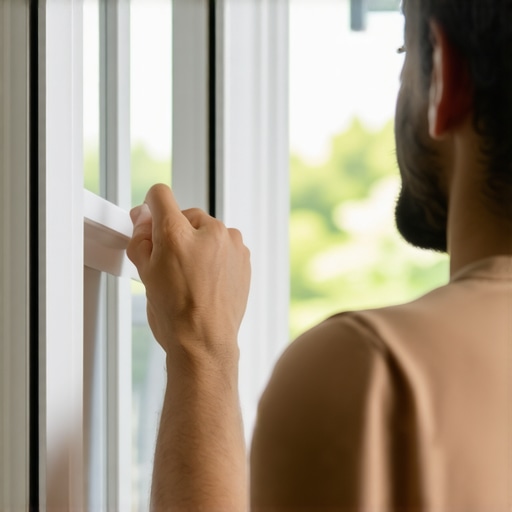
In my twenty-five years as a master glazier, I have seen every possible failure in the building envelope. Most homeowners do not realize that a window is a complex thermal engine, not just a transparent barrier. When people call me for a consultation on whether to replace windows or seek a professional window repair, I usually start by doing something that looks incredibly simple but reveals everything: the Tap Test. This diagnostic method identifies the structural integrity of the Insulated Glass Unit (IGU). If you tap the center of a double-pane sash and hear a loose, rattling vibration rather than a tight, crisp ring, the spacer system has likely failed. A dead thud often indicates that the Argon gas has dissipated and the glass is bowing inward under atmospheric pressure, a condition known as collapsing. This is often the first sign that you need to move beyond a simple window cleaner and consider technical intervention.
The Condensation Crisis: A Master Glazier’s Narrative
A homeowner recently called me in a panic because their brand-new, high-performance windows were sweating profusely. They were convinced the units were defective and demanded I replace windows they had just paid thousands for. I walked into the living room with my hygrometer and a thermal imaging camera. Within minutes, I showed them that the indoor humidity was a staggering 60 percent. It was not the windows failing; it was their lifestyle and a lack of mechanical ventilation. The windows were actually doing their job by staying cold enough to reach the dew point of the humid interior air. This story illustrates a vital point: you must understand the physics of your home before blaming the glazing. Proper diagnosis prevents unnecessary expenses and ensures that when you do invest in a window repair, it actually addresses the root cause of the moisture.
“Installation is just as critical as the window performance itself. A high-performance window installed poorly will fail.” AAMA Installation Masters Guide
The Physics of Glazing: Why Your Glass Fails
To understand why the Tap Test is effective, we must look at the anatomy of the IGU. An IGU consists of two or more panes of glass separated by a spacer bar and sealed into a single unit. The space between the glass is usually filled with an inert gas like Argon. When the secondary seal of that unit degrades, the gas escapes and is replaced by moist ambient air. This is when the window cleaner notices a permanent haze that cannot be wiped away. This fogging occurs because the desiccant inside the spacer bar has become saturated. Once the seal is gone, the thermal resistance—the U-Factor—drops significantly. In northern climates like Chicago or Minneapolis, where heat loss is the primary enemy, this failure turns your window into a thermal bridge that sucks heat out of your home. You are no longer benefiting from the Low-E coating on Surface #3, which is designed to reflect long-wave infrared radiation back into your living space.
The Replacement Reality Check: Materials and ROI
When the Tap Test confirms a failure, you face the choice of frame materials. Vinyl is the most common choice because it is budget-friendly, but it has a high coefficient of thermal expansion. It moves significantly as temperatures shift, which can put stress on the glazing bead and eventually the seals. Fiberglass is a superior alternative; it is made of glass fibers and resin, meaning it expands and contracts at the same rate as the glass itself, maintaining the integrity of the rough opening seal for much longer. Wood offers the best natural insulation but requires a rigorous maintenance schedule to prevent rot in the sash or the sill pan. Many salesmen will promise that new windows will pay for themselves in energy savings within five years. As a specialist, I must tell you that is a myth. The real ROI of a window replacement is found in increased interior comfort, the elimination of drafts, and the preservation of the structural integrity of your walls.
“Standard practice for installation of exterior windows, doors and skylights must account for water shedding and the continuous plane of air barrier integration.” ASTM E2112
The Anatomy of a Proper Installation
A window is only as good as its integration into the wall. If you decide to replace windows, you must ensure the installer is not a caulk-and-walk amateur. A professional installation begins with the rough opening. We use shims to level and square the frame, ensuring the operable sash moves freely without binding. We apply flashing tape in a shingle-fashion, starting from the bottom sill and moving up the sides to ensure water is always directed outward. A crucial component often overlooked is the sill pan, a secondary drainage plane that catches any water that might bypass the primary seals and directs it out through weep holes. Without these technical steps, even the most expensive triple-pane unit will eventually cause rot in your framing. Whether you are performing a window repair or a full tear-out, the management of the building envelope is the priority.
Decoding the NFRC Label
Before you sign a contract, look at the NFRC label on the glass. For those in colder regions, the U-Factor is your most important metric. You want a number below 0.27 to ensure the glass is effectively blocking conductive heat loss. Also, pay attention to the Visible Transmittance (VT). Some high-performance coatings that block heat can also make your home feel like a cave. You want a balance that allows natural light while maintaining thermal performance. If the Tap Test has revealed that your current windows are underperforming, do not just buy the loudest brand. Buy the numbers that match your climate. If you are in the north, you want that Low-E coating on Surface #3 to keep the warmth in. If you are in the south, it belongs on Surface #2 to reject the sun’s radiant heat before it even enters the house. Expert glazing is about precision, physics, and a refusal to compromise on the technical details of the installation.
Comments are closed.