The Frustration of the Ghost Spot
I have spent over two decades in the glazing trade, and if there is one thing that drives a homeowner to the brink of insanity, it is the persistent, crusty residue of water spots on a newly installed window. You spend six figures on a custom fenestration package only to have the first summer storm turn your view into a blurred mess of mineral deposits. I remember a call from a client in a high-wind coastal area who was convinced her new insulated glass units were defective because they looked ‘milky’ after every rain. I walked in with my hygrometer and a high-intensity inspection lamp. It was not a seal failure or a manufacturing defect; it was simply the reality of how water interacts with the silica surface of the glass in a high-humidity environment. This was a classic case of what I call the Condensation Crisis. The humidity was hovering around 65 percent, and the exterior glass temperature was hitting the dew point every evening. The spotting was the result of atmospheric pollutants clinging to that moisture.
“Installation is just as critical as the window performance itself. A high-performance window installed poorly will fail.” AAMA Installation Masters Guide
The Science of the $3 Buffing Trick
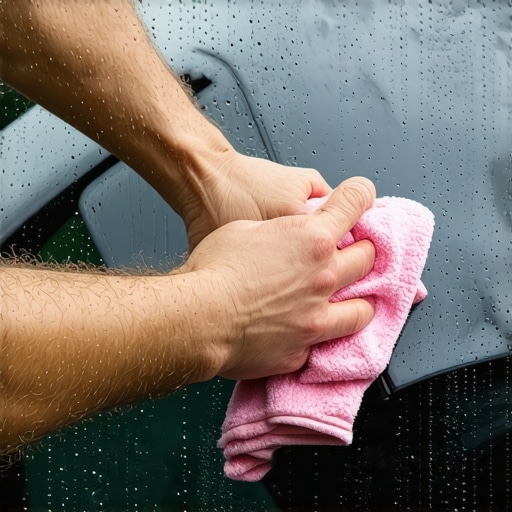
Before you call a professional for a window repair or look into the massive cost to replace windows, you need to understand the physics of surface tension. Glass, while it looks smooth to the naked eye, is actually a jagged landscape of peaks and valleys at the microscopic level. When rain hits the glass, it gets trapped in these microscopic pits. As the water evaporates, it leaves behind whatever it was carrying: calcium, magnesium, or industrial particulates. The secret to keeping glass pristine for pennies is a hydrophobic buffing treatment. For about $3 worth of a high-grade carnauba-based paste wax or a dedicated glass sealant like those used in the automotive industry, you can change the surface energy of the glass. By buffing a thin layer of this substance onto the exterior sash and glass surface, you fill those microscopic valleys. The result? Water can no longer find a foothold. Instead of sheeting and drying into a spot, it beads up and rolls off, often taking the dust with it. This is not a gimmick; it is basic material science. You are essentially creating a sacrificial barrier that protects the silica from chemical etching.
Why Your Standard Window Cleaner is Failing You
Most people reach for a blue-tinted spray and a paper towel. As a glazier, this makes me cringe. Most off-the-shelf window cleaner products contain ammonia or heavy detergents that actually strip away any residual protective oils and leave the glass ‘hungry.’ Hungry glass is glass with high surface energy that practically pulls water toward it. If you want to stop the spotting cycle, you have to stop cleaning and start treating. After a thorough cleaning with a deionized water solution and a squeegee, applying a buffed hydrophobic layer ensures that the next storm actually cleans your windows instead of dirtying them. However, if the spotting is on the inside of the double-pane unit, no amount of buffing will help. That indicates a breached seal, and at that point, you are no longer looking at a cleaning job; you are looking at a full window repair or glass replacement.
The Anatomy of Water Management: Beyond the Glass
While the buffing trick handles the aesthetics, as an installer, I am more concerned with where that water goes after it beads off the glass. This is where we look at the Rough Opening and the integration of the window into the wall system. Every window must have a functional Weep Hole system in the bottom of the frame. If you look at the exterior bottom rail of your vinyl or aluminum window, you will see small slots. These are not defects; they are engineered exits for water that bypasses the Glazing Bead. I have seen countless ‘caulk-and-walk’ installers plug these holes with silicone because they thought they were ‘sealing the draft.’ All they did was turn the window frame into a bathtub, leading to rot in the subfloor and the Sill Pan. A proper Sill Pan is a flashed, sloped component beneath the window that ensures any water that gets past the primary seals is directed back to the exterior. If your windows are spotting and you see moisture on your drywall, the $3 trick is the least of your worries. You have a systemic flashing failure.
“Properly integrated flashing at the sill, jambs, and head is the primary defense against water infiltration.” ASTM E2112 Standard Practice
Thermal Dynamics: Why Climate Dictates Your Glass Choice
If you live in a northern climate like Chicago or Minneapolis, your enemy is heat loss. You want a window with a low U-Factor. In these regions, we typically see a Low-E coating on Surface #3 (the interior-facing side of the outboard pane). This reflects heat back into the room. However, in these cold zones, the temperature of the glass can drop significantly, leading to interior condensation. That moisture can drip down and rot the wood Sash or the Muntin. In the South, such as Texas or Florida, the focus shifts to the Solar Heat Gain Coefficient (SHGC). Here, we want the Low-E coating on Surface #2 to bounce that radiant heat back to the street before it even enters the home. If you are in a coastal zone, you need to be aware of salt spray, which is even more aggressive than rain at etching glass. In those cases, the buffing trick is not just for looks; it is a vital maintenance step to prevent the salt from permanently pitting the glass surface. Using a fiberglass frame in these environments is often superior to aluminum, as it is non-corrosive and has a thermal expansion rate similar to the glass itself, which preserves the integrity of the seals over time.
When to Repair vs. When to Replace Windows
I often get asked if a foggy window can be fixed. The short answer is usually no. Once the desiccant inside the spacer bar is saturated, the Argon or Krypton gas has escaped, and moist air has moved in. This is a seal failure. You can sometimes do a ‘pocket replacement’ where you leave the original frame and just swap the Operable sash, but if the original frame was not installed with a proper Flashing Tape and drip cap, you are just putting a new engine in a rusted-out car. If you notice the wood around your windows is soft or the vinyl frame is bowing and preventing the window from locking, it is time to replace windows entirely. When you do, ensure the installer uses Shims to perfectly level the unit and high-quality low-expansion foam to seal the gap between the window and the Rough Opening. A window that is not plumb and square will eventually experience frame torque, which leads to glass stress cracks and seal failure. My advice is always the same: buy the best glass your budget allows, but spend the real money on the best installer you can find. A $3 trick can keep your glass clean, but it cannot fix a bad installation. [image placeholder: A professional glazier applying a hydrophobic coating to a large picture window with a microfiber cloth, highlighting the water beading effect.]
Comments are closed.