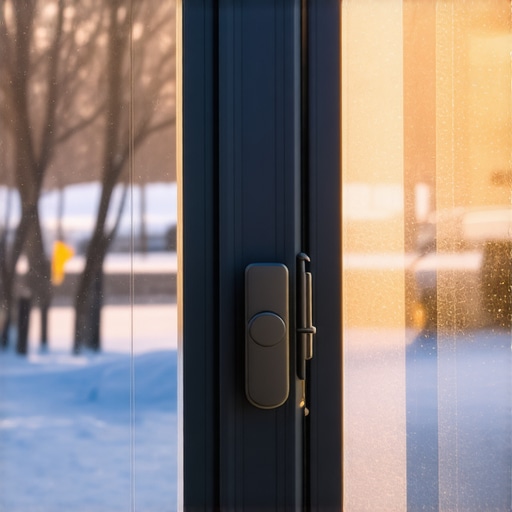
The Morning Struggle: Why Your Sliding Glass Door Refuses to Latch
It is 6:30 AM, the kitchen is quiet, and you are trying to let the dog out. You slide your heavy glass patio door open, but when you go to close and lock it, the latch mechanism refuses to engage. The lever feels stiff, the keeper is misaligned by a fraction of an inch, and you are left forcing the handle in frustration. As a master glazier with over two decades of field experience, I see this scenario constantly. Homeowners often assume they need a commercial window cleaner or a total lock replacement, but the culprit is almost always rooted in building physics, thermal movement, and structural settling.
When a door or window fails to operate smoothly in the early hours, it is a structural cry for help. A sliding door is not just a piece of glass in a frame; it is a heavy, dynamic system suspended within a structural rough opening that must manage extreme thermal differentials between the interior and exterior environments.
The Installation Autopsy: A Tale of Thermal Expansion and Frame Distortion
To understand why your lock behaves differently at dawn than it does at dusk, we must look at how these large fenestration units are integrated into your home. Let me share a scenario that illustrates this perfectly.
“I pulled a vinyl sliding door out of a residential property after the homeowner complained that the lock only worked after 2:00 PM. Upon extracting the perimeter trim, I discovered the previous installer had jammed shims so tightly into the header that there was zero room for structural deflection. The header of the house was resting directly on the door frame, bowing the top track downward every morning as the overnight moisture swelled the framing lumber.”
When an installer fails to leave an adequate expansion gap or ignores the strict guidelines of ASTM E2112, the door frame becomes a victim of physical force. Every building material expands and contracts with temperature and humidity changes. Vinyl, aluminum, and wood all move at different rates, and if the rough opening does not allow for this movement, the frame bows, causing the lock keeper to shift away from the latch hook.
The Climate Physics: Why the Morning Cold Traps Your Lock
In regions where overnight temperatures drop significantly, we witness a phenomenon known as thermal bowing or “bananaing” of the frame. The exterior face of your door frame contracts in the cold morning air, while the interior face remains warm and expanded from your heating system. This temperature differential across the frame profile causes the entire vertical stile of the door to bow slightly.
For homeowners living in colder climates, this physical movement is amplified. When the U-factor of your glazing unit is inefficient, thermal transfer is high. Single-pane glass or failing double-pane units allow the cold to seep directly into the aluminum or vinyl frame profiles, intensifying the physical contraction of the interior lock components. A quality window repair specialist knows that fixing a sticky lock often requires analyzing the thermal barrier of the door itself, not just spraying lubricant into the latch.
“Adjustments to hardware must always account for seasonal thermal cycling. A door adjusted to lock perfectly in a 70-degree showroom will inevitably bind when the external temperature drops to freezing.” – AAMA Installation Masters Guide
The Mechanics of Misalignment: Tracks, Rollers, and Keepers
A sliding glass door operates on a simple track and roller system. The entire weight of the active sash—often exceeding 120 pounds—rests on two small tandem rollers at the bottom. Over time, these rollers accumulate dirt, pet hair, and debris. This is where professional maintenance becomes critical. Homeowners often hire a general window cleaner to wash the glass, but the track and rollers are left caked in grime, forcing the sash to ride higher or lower than its original factory alignment.
When the sash does not sit perfectly level on the bottom track, the latch hook on the active panel will no longer line up with the keeper on the jamb frame. In the morning, when materials are at their most contracted, this minor misalignment is magnified. If you have to lift the door panel by the handle to get the lock to click, your rollers have either worn down or the bottom track has settled.
How to Diagnose and Fix Your Morning Lock Issues
Before you rush to replace windows or call for an expensive emergency window repair, there are several steps you can take to diagnose and remediate a stubborn sliding door lock:
- Inspect the Rollers: Locate the small adjustment holes at the bottom of the active sash. Using a screwdriver, turn the adjustment screws clockwise to raise the door panel or counterclockwise to lower it. This will realign the latch with the keeper.
- Clean the Track Deeply: Vacuum out the bottom track and scrub it with a stiff brush. Debris in the track lifts the door unevenly, throwing off the locking strike zone.
- Check the Keeper Alignment: Examine the metal keeper plate attached to the side jamb. If you see scrape marks on the top or bottom of the keeper slot, loosen the mounting screws and slide the keeper up or down slightly to match the latch path.
- Lubricate with Silicone: Never use heavy grease or WD-40 on your lock or tracks, as these attract dirt and worsen the binding. Use a dry PTFE or silicone spray to lubricate the latch hook and the roller assemblies.
If these adjustments do not solve the issue, the frame may be permanently warped, or the insulated glass unit may have lost its argon gas fill, leading to extreme thermal transfer that warps the frame every morning. In such cases, consulting a professional to replace windows with high-performance fiberglass or thermally-broken frames is the most sustainable long-term solution.