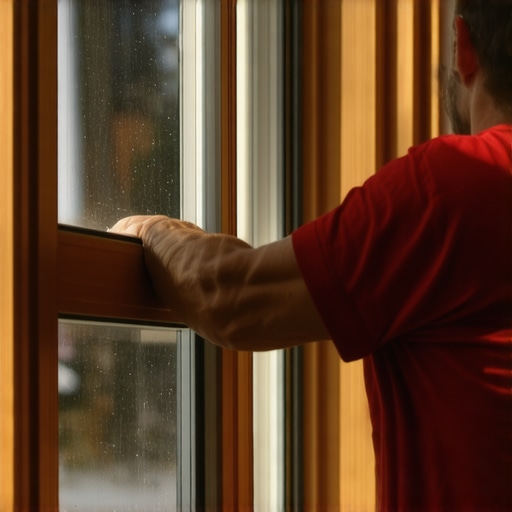
The Anatomy of Fenestration Decay: Why Your Annual Frame Inspection Is Not Optional
As a master glazier with a quarter-century of hands-on experience, I have seen billions of dollars in building envelopes fail for one simple reason: homeowners treat their windows like static paintings rather than dynamic, mechanical systems. A window is a complex barrier engineered to manage thermal transfer, atmospheric pressure, and water intrusion. Yet, most people only think about their windows when a pane shatters or the glass becomes so coated in grime that they finally call a professional window cleaner.
By ignoring the structural frames holding that glass, you are playing Russian roulette with your home’s structural integrity. Neglecting frame maintenance is the single largest driver of premature window repair and premature decisions to replace windows entirely. A systematic annual checkup is your only defense against silent, structural rot.
The Rot Repair: A Master Glazier’s Warning
I pulled a vinyl window out of a house in Portland, Oregon during a wet November, and the structural header and jack studs were completely black with rot. Why? The previous installer had relied entirely on the exterior nailing fin and a heavy bead of cheap silicone instead of integrating proper flashing tape and a sloped sill pan. Water had bypassed the cracked exterior sealant, traveled along the head jamb, and pooled directly into the wall cavity. The homeowner had absolutely no idea until the drywall beneath the stool started to turn soft and yellow. A simple annual inspection of the exterior sealant joints and the frame’s drainage system would have caught the failure years before it became a five-figure structural reconstruction project.
“Water penetration is the single greatest threat to building envelope integrity. An installer’s primary duty is to ensure that any water entering the window system is directed back to the exterior.” – ASTM E2112 Standard Practice for Installation of Exterior Windows
The Climate Context: Managing the Dew Point and Moisture Migration
In mixed and cold climates, the physical battle occurring across your window frames is brutal. During the heating season, warm, moisture-laden indoor air migrates toward the cold glass and frame surfaces. If your frame material lacks high thermal resistance, or if your weatherstripping has flattened over time, the interior surface temperature of the frame drops below the dew point. This is when condensation occurs, pooling in the sash tracks and rotting wood frames, rusting steel fasteners, or feeding black mold on vinyl profiles.
For northern climates, managing the U-factor (the rate of heat loss) is paramount. If your frame inspection reveals persistent condensation along the lower glazing bead, it indicates a thermal bridge failure. While keeping your frames clean of organic debris helps prevent mold colonization, physical deterioration of the frame structure eventually means you must replace windows to restore thermal performance and prevent structural rot.
The Structural Checkup: A Step-by-Step Diagnostic Protocol
To conduct a professional-grade annual frame inspection, you must look beyond the glass. Follow this four-part diagnostic checklist every autumn before the wet, freezing weather sets in.
1. Inspect the Weep System
Most modern operable windows, especially vinyl and aluminum sliding or double-hung units, are designed with an internal drainage cavity. Water bypasses the primary sash seals by design and collects in the frame sill. It is supposed to drain out through engineered exterior slots called weep holes. Over the course of a year, wind-blown dust, pollen, and insect nests clog these channels. During your checkup, pour a cup of water into the sill track. If the water pools and does not rapidly exit the exterior weep holes, take a small wire or compressed air can and clear the obstruction. A blocked weep hole will back up, spilling water over the interior leg of the frame and directly into your subfloor.
2. Evaluate Frame Material Stability and Movement
Different frame materials react uniquely to thermal cycles. Vinyl has a high coefficient of thermal expansion; it expands and contracts significantly between summer heat and winter cold. This constant movement puts immense stress on the perimeter sealant. Check the joint where the window frame meets your exterior cladding (siding, brick, or stucco). If you see gaps, cohesive failure, or cracking in the sealant, it must be scraped clean and replaced with a high-grade polyurethane or MS polymer sealant. Wood frames must be checked for paint flaking and soft spots—particularly at the bottom corners of the sash and frame joints where water naturally pools.
3. Analyze Hardware, Sash Alignment, and Compression
An operable window must seal tightly to prevent air infiltration. Open the sash and inspect the hardware. Check the keeper and locking mechanisms; if the lock does not engage easily, the sash is out of square within the rough opening. This misalignment is often caused by house settling or improper shimming during the original installation. Next, examine the weatherstripping. If the compression seals or bulb gaskets are flattened, brittle, or torn, they are no longer stopping draft air. Replacing worn weatherstripping is an easy window repair that yields immediate comfort dividends.
“A window cannot perform to its rated design standards if the perimeter seals and hardware compression are not maintained.” – AAMA Installation Masters Guide
4. Check the Glazing Bead and Glass-to-Frame Interface
The glazing bead is the vinyl or wood strip that holds the glass unit securely against the frame bed. Inspect this seal for shrinkage or gaps. If water can penetrate between the glass and the sash frame, it will pool around the perimeter seal of the insulated glass unit (IGU). This constant moisture exposure degrades the polyisobutylene secondary seal, leading to premature gas loss, fogged glass, and total failure of the thermal unit.
When to Repair vs. When to Replace
Not every frame issue requires a total tear-out. If your inspection reveals localized surface rot on a wood sill, a skilled carpenter can perform a window repair using structural epoxy and a wood Dutchman patch. If your vinyl frames are dirty but structurally sound, a thorough wash by an experienced window cleaner can restore their appearance and ensure the weep holes remain functional.
However, if your frames are warped, have suffered internal structural rot, or exhibit widespread corner joint separation, repairs are merely temporary band-aids. When the structural frame can no longer support the weight of the sash or maintain a plumb, square opening, the only permanent, energy-efficient solution is to replace windows entirely with modern, thermally stable alternatives like fiberglass or composite frames.