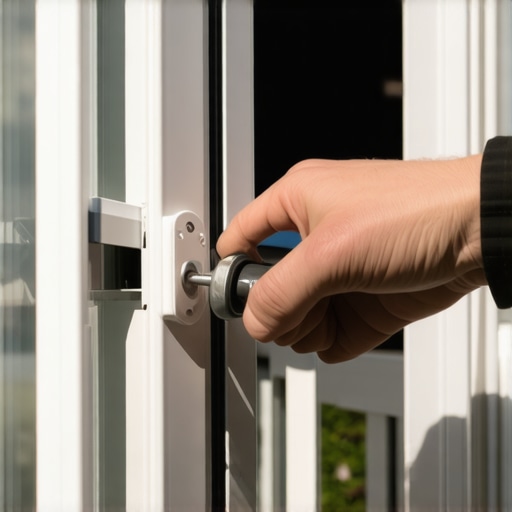
The Mechanical Integrity of PVC Fenestration: A Master Glazier Guide to Handle Replacement
In twenty-five years of handling glass and vinyl, I have seen more hardware failures than I can count. Most people think a window is just a piece of glass in a frame, but to an expert, it is a complex mechanical system where every component must work in harmony to maintain the thermal envelope. When a handle on a PVC frame starts to stick or fails to engage the locking cams, you are no longer looking at a simple inconvenience. You are looking at a compromise in your home security and air infiltration resistance. Before we look into the mechanics, we must address the surrounding environment. I remember a specific case where a homeowner called me in a panic because their new windows were sweating. I walked in with my hygrometer and showed them the humidity was 60 percent. It was not the windows; it was their lifestyle choices in a high-performance, airtight house. This illustrates a critical point: every part of the window, including the handle and the gearbox it operates, is part of a larger ecosystem of moisture and pressure management.
“Installation is just as critical as the window performance itself. A high-performance window installed poorly will fail.” – AAMA Installation Masters Guide
The Anatomy of the PVC Window Handle
To perform a successful window repair, you must understand what is happening inside the PVC profile. The handle you touch is merely the interface for the espagnolette mechanism, often called the espag. This is a long metal strip that runs along the side of the sash, featuring locking mushrooms or rollers. When you turn the handle, it rotates a square spindle (usually 7mm in diameter) that engages a gearbox inside the sash. This gearbox converts the rotational force of your hand into a linear movement that slides the locking cams into the strikers located on the frame. If the sash is not perfectly square within the rough opening, these cams will bind against the strikers. This resistance puts immense torque on the handle and the internal gears, eventually leading to a snapped spindle or a cracked internal housing. If you are noticing that your handle requires significant force to close, do not keep pushing. You are about to break the gearbox, which is a much more intensive repair than a simple handle swap. This is often where a professional window cleaner will notice issues first, as they feel the resistance while trying to secure the window after a cleaning session.
The Climate Factor: Why Hardware Fails in the North
In colder climates like Chicago or Minneapolis, the U-factor of your window is the most important metric. We use PVC because it is a poor conductor of heat, which is exactly what you want when it is minus ten degrees outside. However, PVC has a relatively high coefficient of thermal expansion. In the winter, the frame contracts. In the summer, it expands. This movement can shift the position of the keepers or strikers just enough that the window handle no longer aligns perfectly with the locking points. This is why we focus on the dew point and warm-edge spacers. When the handle fails to pull the sash tight against the weatherstripping, you get air bypass. That cold air hits the warm, humid air inside your house, and suddenly you have condensation on the interior of the frame, which can lead to mold and the eventual degradation of the hardware through oxidation. A properly functioning handle ensures that the sash is compressed against the gaskets, maintaining the airtight seal required by modern building standards.
Step-by-Step Technical Replacement Procedure
Replacing the handle is a precise task. First, you must identify the handle type. Most modern PVC windows use an inline or cranked espag handle with a 43mm center-to-center screw spacing. Open the window to the ninety-degree position if possible. You will see two screw cover caps on the handle base. Use a small flat-blade tool or even your fingernail to pop these off. Underneath, you will find two M5 screws. While holding the handle to ensure it does not fall and scratch the profile, remove these screws. Pull the handle straight out to reveal the spindle. Measure the length of this spindle. Spindles typically come in lengths from 10mm to 55mm. If you install a spindle that is too long, it will bottom out in the gearbox and prevent the handle from sitting flush against the sash. If it is too short, it will not engage the gearbox fully, leading to stripped gears. When you have the correct replacement, slide the spindle into the gearbox hole. Ensure the handle is in the same orientation as the one you removed (either open or closed). Hand-tighten the M5 screws. Do not use a high-torque impact driver, as you can easily strip the threads in the internal reinforcing steel or crack the PVC face. Once snug, check the operation. The handle should move smoothly without catching.
“The window assembly must be installed and maintained to resist the penetration of water and air as specified for the particular climate zone.” – ASTM E2112 Standard Practice
The Role of Maintenance in Hardware Longevity
You cannot just replace windows and forget about them. Part of being a master glazier is teaching homeowners about maintenance. Every six months, the moving parts of the espagnolette should be lubricated with a silicone-based spray or a light machine oil. Avoid heavy greases that attract dust and grit, especially if you live near a construction site or a busy road. This is another area where the window cleaner plays a role. A professional cleaner will often wipe down the top of the sash where dust accumulates. If that dust gets into the locking points, it acts like sandpaper, grinding down the metal cams and making the handle harder to turn. If you find that the new handle is still difficult to operate, the issue likely lies with the sash alignment. You may need to adjust the hinges (often using an Allen key) to lift or shift the sash back into its optimal position within the frame.
Conclusion: Quality Over Convenience
When you decide to replace windows or even just the hardware, the quality of the components matters. Cheap, generic handles found at big-box stores often use inferior zinc alloys that can snap under pressure. Look for hardware that has been salt-spray tested and carries a cycle-count rating. Remember, the handle is the only part of the window’s mechanical system that you interact with daily. It provides the leverage necessary to seal your home against the elements. If you treat your windows as a managed system rather than a static object, they will provide decades of service, keeping the heat in during the winter and the solar gain out during the summer. Focus on the mechanics, respect the tolerances of the rough opening, and never settle for a handle that does not provide a crisp, positive engagement.