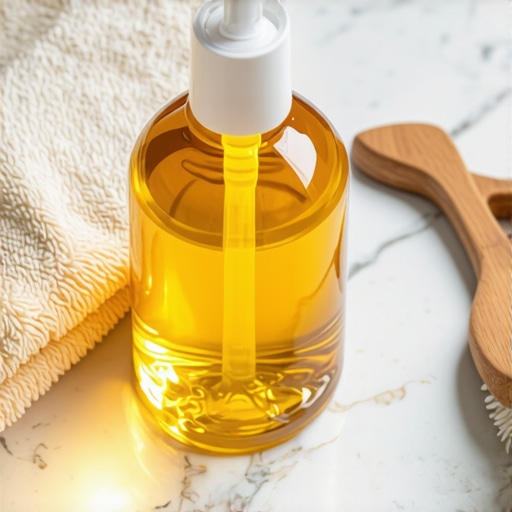
In the world of high-performance fenestration, the difference between a window that lasts fifty years and one that fails in five often comes down to the chemistry of maintenance and the precision of the initial installation. As a master glazier who has spent decades navigating the nuances of the rough opening and the complexities of thermal bridging, I have seen every possible failure mode. One of the most overlooked aspects of window longevity is the cleaning agent used on the glass and the surrounding sash. While many homeowners reach for blue-tinted, ammonia-heavy sprays, professional window cleaner veterans and glazing specialists know a secret: Castile soap. This ancient, oil-based soap is not just a cleaning agent; it is a preservative for the entire glazing assembly. When we discuss a window repair or the decision to replace windows, we must first address the environmental stressors and the chemical interactions at play on the glass surface.
The Condensation Crisis: A Master Glazier’s Perspective
A homeowner called me in a panic because their new windows were sweating and they were convinced the insulated glass units, or IGUs, had failed. I walked in with my hygrometer and showed them the humidity was 65 percent while the exterior temperature was plummeting toward ten degrees. It was not the windows; it was their lifestyle and the lack of mechanical ventilation in a tightly sealed building envelope. This highlights a critical misunderstanding in our industry. People often blame the hardware when the physics of the environment is the culprit. I had to explain that even the highest quality triple-pane unit with a low U-factor cannot prevent condensation if the interior dew point is too high. This experience is a reminder that a window is a dynamic thermal barrier, not just a piece of transparent material. Understanding the dew point and how it interacts with the glazing bead and the frame is essential for any professional window cleaner or installer.
“Installation is just as critical as the window performance itself. A high-performance window installed poorly will fail.” AAMA Installation Masters Guide
The Chemistry of Castile Soap on Modern Glazing
Why do I advocate for Castile soap? To understand this, we must zoom into the molecular level of the glazing. Modern windows are not just glass; they are a multi-layered system involving Low-E coatings, typically silver-based, which are sputtered onto the glass surface. While these coatings are usually on Surface #2 or Surface #3, protected inside the IGU, the seals that keep the argon gas in and the moisture out are vulnerable. Standard commercial cleaners often contain ammonia or alcohol, which can cause the glazing bead to become brittle over time. When the glazing bead loses its elasticity, it creates a path for water to reach the primary seal of the IGU, typically made of polyisobutylene. Castile soap, derived from olive oil and potassium hydroxide, is a true surfactant. It creates micelles that lift urban soot and organic matter without the use of harsh solvents. This protects the sash material, whether it is vinyl, wood, or fiberglass, from chemical degradation.
The Anatomy of the Window: Beyond the Glass
When we look at the need for window repair, the issue often stems from the rough opening or the lack of a proper sill pan. A window must be perfectly level and plumb, supported by high-density plastic shims, to ensure the operable sash functions without stressing the frame. If the frame is twisted even an eighth of an inch, the weatherstripping will not compress evenly. This leads to air infiltration, which many homeowners mistake for a glass failure. A professional glazier knows that the weep hole system is the lungs of the window. In a heavy rain event, water will enter the glazing pocket; the weep hole allows it to exit. If you use cheap, waxy cleaning products, they can clog these weep holes, leading to water backup, wood rot in the subfloor, or even mold growth inside the wall cavity. Using Castile soap ensures that no gummy residue is left behind to obstruct this vital drainage path.
NFRC Label Decoding and Thermal Logic
In northern, cold-dominated climates, the U-factor is our primary metric. We want to keep heat inside. This is why we look for windows where the Low-E coating is on Surface #3. However, the performance is only as good as the spacer between the panes. Traditional aluminum spacers are a thermal disaster, conducting cold right to the edge of the glass where condensation begins. Modern warm-edge spacers, made of structural foam or stainless steel, are essential. As professionals, when we recommend customers replace windows, we are looking at the NFRC label for a low U-factor and a high Visible Transmittance. We want the light, but we want to trap the long-wave infrared radiation inside the home. This thermal logic is what separates a glazier from a simple handyman.
“The U-factor of a window is the rate at which it conducts non-solar heat flow. Lowering this value is critical in heating-dominated climates to prevent energy loss and interior condensation.” NFRC Performance Manual
The Mechanics of Installation: Rough Openings and Shims
The transition from the window frame to the building envelope is the most common failure point. I always insist on the use of high-quality flashing tape and a dedicated sill pan. The shingle principle must be applied: every layer must overlap the one below it to ensure water is shed to the exterior. When we shim a window, we aren’t just making it straight; we are ensuring that the weight of the IGU is transferred correctly to the structure. Without proper shimming under the setting blocks, the glass can actually crack from the stress of the building settling. This is a technical detail that a “caulk-and-walk” installer will skip, but it is the difference between a lifetime warranty and a leak next spring.
Maintenance as a Preventative Repair
A window cleaner who uses Castile soap and understands the function of the muntin and the glazing bead is providing a maintenance service that prevents the need for future window repair. By keeping the sash clean and the weep holes clear, you extend the life of the hardware and the seals. It is about respecting the materials. Whether you are dealing with an operable casement or a fixed picture window, the goal is the same: maintain the integrity of the thermal envelope. Don’t be swayed by high-pressure sales pitches for exotic gas fills that have a marginal ROI. Focus on the fundamentals of physics: a low U-factor, a properly flashed rough opening, and a chemical-free cleaning regimen. This is the blueprint for fenestration success in any climate. [HowTo: {“@context”: “https://schema.org”, “@type”: “HowTo”, “name”: “How to Professionally Clean and Maintain Windows”, “step”: [{“@type”: “HowToStep”, “text”: “Dilute one tablespoon of liquid Castile soap into a gallon of distilled water to create a pH-neutral surfactant solution.”}, {“@type”: “HowToStep”, “text”: “Apply the solution to the glass using a professional strip washer, ensuring the glazing beads are thoroughly wetted to lift debris.”}, {“@type”: “HowToStep”, “text”: “Squeegee the glass using a single, continuous stroke to prevent streaking and ensure all soap residue is removed from the edges.”}, {“@type”: “HowToStep”, “text”: “Inspect the weep holes at the bottom of the sash and use a small brush or compressed air to ensure they are free of debris.”}, {“@type”: “HowToStep”, “text”: “Wipe the weatherstripping with a damp microfiber cloth to maintain a proper air seal against the operable sash.”}]}]