The Science of a Streak-Free Finish
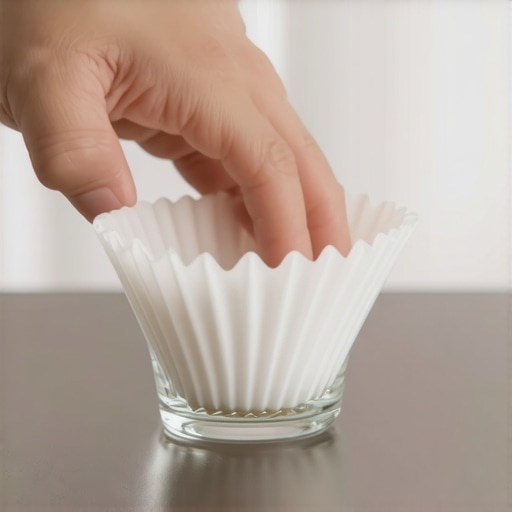
Most homeowners approach glass cleaning as a mundane chore, but as someone who has spent over two decades examining glass under a magnifying glass, I can tell you it is a matter of material science. When you use a standard paper towel or a cotton rag, you are battling two invisible enemies: lint and static electricity. Cotton fibers are relatively large and prone to shedding, leaving microscopic debris that catches the light. This is why the coffee filter trick is more than just a life hack; it is a professional secret based on the structure of the material. Coffee filters are made from high-quality, lint-free paper designed to hold up under hot water pressure without dissolving or shedding fibers into your brew. On a glass pane, this translates to a zero-residue finish that avoids the particulate buildup common with traditional cloth.
The Narrative Matrix: A Case of Ghost Leaks
A homeowner called me in a panic because their new windows were ‘sweating.’ I walked in with my hygrometer and showed them the humidity was 60 percent. It was not the windows; it was their lifestyle. They had just installed a high-efficiency humidifier in a tight house without adjusting the settings for the winter temperature drop. They thought they needed a full window repair or even to replace windows that were less than a year old. In reality, the glass was doing exactly what it was designed to do: providing a thermal barrier. The moisture was simply the dew point being reached on the interior glass surface because the air was oversaturated. This is a crucial lesson for anyone looking for a window cleaner or maintenance advice: understand the environment before you blame the hardware. High interior humidity combined with a low U-Factor window can still lead to condensation if the air circulation is poor near the sash.
“Installation is just as critical as the window performance itself. A high-performance window installed poorly will fail.” AAMA Installation Masters Guide
The Anatomy of the Window Unit
To understand why cleaning and maintenance are vital, we must look at the Rough Opening and how the window sits within it. An operable sash relies on a complex system of balances and weatherstripping to maintain a seal. When dirt accumulates in the track, it puts undue stress on the hardware, eventually leading to a mechanical failure that requires window repair. Many people assume they need to replace windows when they become difficult to open, but often a thorough cleaning of the weep hole and the application of a dry silicone lubricant to the jamb can restore function. The weep hole is a small exit point designed to allow water that enters the glazing bead area to escape. If this becomes clogged with debris, water will back up into the frame and eventually rot the wooden sub-floor or the sill pan.
Climate Logic: Managing the Northern Chill
In colder climates like Chicago or Minneapolis, the enemy is heat loss and the resulting condensation. Here, the U-Factor is the most critical metric on the NFRC label. You want a lower number, typically below 0.27, to ensure the glass stays warm enough to prevent the air around it from reaching the dew point. This is achieved through the use of triple-pane units and warm-edge spacers. Older windows used aluminum spacers which acted as a thermal bridge, conducting cold directly to the inner pane and causing ice to form. Modern units use composite or foam spacers to break that bridge. When you are acting as your own window cleaner, pay attention to the edge of the glass. If you see fogging between the panes, the primary seal of Polyisobutylene has failed, and the Argon gas has escaped. At that point, cleaning the surface is useless; you must replace the glass unit or the entire window.
The Technical Specs of Modern Glazing
When we discuss the performance of glass, we must address the Low-E coating. For northern climates, we often see this coating on Surface number 3, which is the interior-facing side of the inner pane. This reflects the long-wave infrared radiation back into the room, keeping your furnace heat where it belongs. If the glass is improperly cleaned with abrasive materials, you can actually scratch these coatings or the glass itself. Glass is an amorphous solid that is surprisingly porous at a microscopic level. Using an ammonia-based cleaner can sometimes damage the seals if it sits in the glazing channel. A mixture of distilled water and a drop of dish soap, followed by a wipe-down with a coffee filter, is the safest way to maintain the integrity of the unit. This method ensures that you are not introducing chemicals that could degrade the flashing tape or the structural shims hidden behind the trim.
“Thermal performance of the fenestration system is dependent on both the glass properties and the frame’s ability to resist heat transfer.” NFRC Performance Standards
When to Repair vs. Replace
The decision to replace windows is often driven by a lack of comfort. If you feel a draft, check the shim space. Often, installers skip the step of properly insulating the gap between the window frame and the rough opening with low-expansion foam. Instead, they slap on some trim and hope for the best. If you can see light or feel air coming from the casing, it is an installation failure, not necessarily a glass failure. However, if the frames are warped or if the muntins are popping out due to heat expansion, the structural integrity is gone. Vinyl windows are particularly susceptible to this if they are not reinforced with steel or aluminum. In contrast, fiberglass windows expand and contract at nearly the same rate as the glass, meaning the seals stay intact longer, reducing the need for frequent window repair.
Professional Maintenance Routine
A professional window cleaner does not just look at the glass; they look at the whole system. Check the condition of the caulk at the exterior head flash. Ensure the drip cap is directing water away from the opening. Look at the glazing bead to see if it is still holding the glass tight. If the bead is loose, wind-driven rain can get behind it and cause the wood sash to rot from the inside out. This is why the coffee filter method is so effective; it forces you to get close to the glass and inspect these components. By maintaining a clean, clear view, you are also conducting a visual audit of your home’s thermal envelope. Keeping the glass clean is the first step in a proactive strategy to avoid the massive expense of a full-house window replacement. Start with the coffee filter, but keep your eyes on the seals, the sash, and the weep holes. Real window expertise is about managing the transition between the interior and the exterior with precision and technical knowledge.