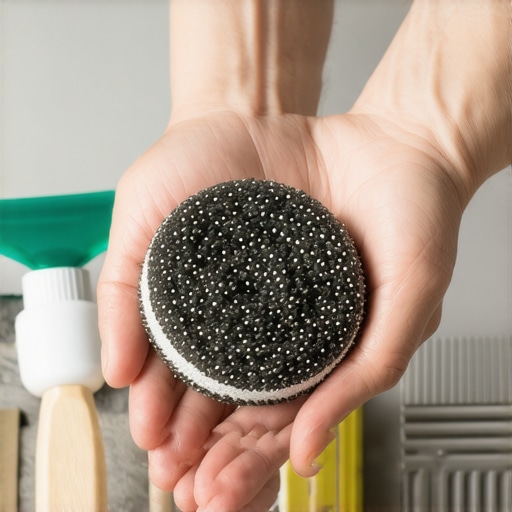
The Technical Reality of the Glass Surface
In twenty-five years of glazing, I have seen every possible failure mode of a window system. Most homeowners view their windows as solid, impenetrable barriers. In reality, glass is a porous material on a microscopic scale, subject to the laws of chemistry and physics. When you see a professional window cleaner reaching for a wad of #0000 grade steel wool, they are not just scrubbing; they are performing a delicate surgical operation on the glass substrate. This practice is essential for removing stage-one corrosion and mineral deposits that standard squeegees cannot touch. If you have ever looked at your window after a rainstorm and seen permanent spotting, you are witnessing the calcification of the glass surface, a condition that eventually leads to permanent etching if left untreated.
A homeowner called me in a panic because their new windows were ‘sweating’ and the glass seemed to be developing a permanent haze. I walked in with my hygrometer and showed them the humidity was 60%. It was not a failure of the window seals; it was their lifestyle choices combined with a lack of ventilation. The ‘haze’ they saw was actually localized mineral buildup from persistent condensation drying on the glass. This is where the steel wool comes in. For a glazier, the goal is to maintain the integrity of the glass without compromising the glazing bead or the internal coatings. Steel wool at the #0000 grade is softer than glass but harder than the calcium and magnesium deposits found in hard water. It shears off the contaminants without leaving scratches, provided the glass is not treated with a soft-coat Low-E on the exterior surface.
“Installation is just as critical as the window performance itself. A high-performance window installed poorly will fail.” – AAMA Installation Masters Guide
The Science of Thermal Performance and Maintenance
In northern climates like Chicago or Minneapolis, the primary enemy is heat loss. We focus heavily on the U-Factor, which measures the rate of non-solar heat flow through a window. A lower U-Factor means the window is a better insulator. When the interior glass temperature drops below the dew point of the indoor air, condensation occurs on the sash. This moisture doesn’t just sit there; it migrates into the rough opening if the sill pan is not properly pitched or if the weep holes are clogged with debris. Professional window cleaner services are often the first line of defense in identifying these issues. If they find they are using excessive steel wool to clear the bottom inch of a pane, it is a diagnostic sign that the thermal break in the frame is failing or the warm-edge spacers are no longer performing their job.
The physics of a modern Insulated Glass Unit (IGU) involves a delicate balance of gas fills, usually Argon, and Low-E coatings. If you are considering the need to replace windows, you must understand the difference between Surface #2 and Surface #3 coatings. In cold climates, we place the Low-E coating on Surface #3 (the indoor-facing side of the outer pane) to reflect heat back into the room. If a window cleaner uses steel wool on a pyrolytic (hard-coat) Low-E surface that is exposed, they risk ruining the coating. This is why a window repair professional must be consulted before aggressive cleaning. A failed seal, indicated by fogging between the panes that cannot be wiped away with steel wool, means the dessicant is saturated and the IGU must be replaced to restore the window’s U-Factor.
The Installation Autopsy: Why Maintenance Cannot Fix Poor Glazing
When I perform a window repair, I often find that the problem started years ago during the initial installation. If the flashing tape was not integrated into the weather-resistive barrier (WRB) using the ‘shingle principle,’ water will eventually find its way behind the muntins and into the frame. No amount of steel wool or specialized cleaning can fix a rotted header or a moldy shim. We must look at the window as a holistic system. A high-quality window is only as good as its rough opening tolerances. If the frame is racked because the installer didn’t use proper shims, the operable parts of the window will bind, causing the weatherstripping to compress unevenly and allowing air infiltration that carries dust and pollutants onto the glass.
“Properly installed windows must manage water by directing it back to the exterior through a defined drainage path.” – ASTM E2112 Standard Practice
For those looking to replace windows, don’t be swayed by high-pressure sales tactics regarding triple-pane units if your primary issue is water management. A well-installed double-pane window with a sill pan and a dedicated drip cap will outperform a triple-pane window that relies on caulk for its primary seal. The use of steel wool by professionals is a testament to the durability of high-quality glass, but it is also a reminder that our windows are constantly under assault from the environment. Maintaining the glazing bead and ensuring the weep holes are clear will do more for the longevity of your home than any ‘miracle’ window product.