The Fatal Flaw of the Slop-and-Drop Painter
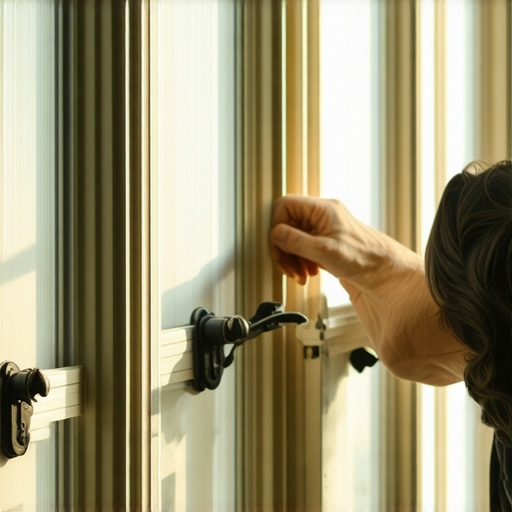
I pulled a vinyl window out of a house in Chicago and the header was completely black with rot. Why? The previous installer relied on the nailing fin instead of proper flashing tape, but more importantly, the sash itself had been rendered non-functional by decades of paint. When a sash cannot close and lock properly, the entire thermal envelope of the building is compromised. In the glazing trade, we see this constantly: beautiful historic hardware buried under twenty layers of lead-based paint, effectively gluing the window shut and inviting moisture to settle in the Rough Opening. This is not just an aesthetic issue; it is a mechanical failure. When you cannot engage the sash lock, you cannot compress the meeting rail, which means you are essentially living with a giant air leak that no amount of window cleaner can fix. Repairing these components is the first step in a professional window repair strategy that prioritizes longevity over a quick, cheap fix.
The Physics of the Meeting Rail and Thermal Integrity
In a Northern climate, the enemy is heat loss and the dreaded dew point. Antique wood windows are often unfairly maligned as energy sieves. However, a well-maintained wood sash with original hardware has a massive advantage: the ability to be serviced. The U-Factor of a single-pane window is admittedly poor, but the real energy thief is air infiltration. According to industry standards, the seal between the upper and lower sash is critical.
“Installation is just as critical as the window performance itself. A high-performance window installed poorly will fail.” – AAMA Installation Masters Guide
When paint fills the sash lock mechanism, it prevents the cam action from pulling the two sashes together. This gap allows cold air to hit the warm interior air, causing condensation to form on the muntin and glass. Over time, this moisture trickles down to the glazing bead and eventually the sill pan, leading to the rot I mentioned earlier. Restoring the hardware is actually a thermal upgrade. By ensuring the lock can shim the sashes into a tight fit, you are reducing the air changes per hour (ACH) of the room more effectively than most budget-grade replace windows options could ever hope to achieve.
The Glazier’s Protocol for Hardware Stripping
Restoring antique brass or steel hardware requires a systematic approach that respects the metallurgy. First, do not use a heat gun on hardware that is still attached to the wood. You will scorch the fibers and potentially crack the glass through thermal shock. The professional method involves carefully removing the operable components. If the screws are painted over, use a small dental pick to clear the drive slots. This prevents stripping the heads of what are often custom-threaded historical fasteners. Once removed, the most effective tool in your kit is actually a slow cooker. Placing the hardware in a crockpot with water and a small amount of liquid detergent for twelve hours will soften even the most stubborn lead-based coatings. The paint will peel away like a skin, leaving the patina of the metal intact. This is far superior to aggressive grinding or sanding, which removes the crisp edges of the original casting and ruins the mechanical tolerances needed for a smooth window repair.
Mechanical Restoration: Pulleys and Cords
The hardware is not just the lock you see; it is the hidden pulley system within the pocket. A common mistake in the replace windows industry is to ignore the weight-and-chain system. When the pulley is painted over, the friction increases exponentially. This causes the sash cord to fray and eventually snap. A master glazier knows that a balanced window is a safe window. While you have the hardware off, inspect the pulley wheel. If it is frozen with paint, it must be stripped and lubricated with a dry graphite spray. Never use wet oils or grease in a window pocket; they attract dust and debris, eventually creating a grinding paste that destroys the axle.
“Water management is the primary goal of any exterior envelope component. If the hardware does not allow the sash to seat, the management system fails.” – ASTM E2112 Standard Practice
By restoring the pulley’s rotation, you ensure the sash moves vertically without racking, which protects the glazing bead from stress cracks and keeps the unit operable for another century.
The Re-Installation and the Importance of the Seal
Once the hardware is stripped to the base metal and polished, the re-installation must be precise. This is where we talk about the Rough Opening tolerances. If the house has settled, the window frame may no longer be perfectly square. You must shim the hardware slightly to ensure the lock strike and the cam align perfectly. If they are off by even an eighth of an inch, the lock will not pull the sashes together, and you will have a window cleaner‘s nightmare of constant interior condensation. I always recommend adding a thin strip of bronze weatherstripping during this phase. Unlike foam or plastic, bronze is historically appropriate and lasts for decades. When the restored hardware is engaged, you should feel a distinct resistance as the sashes are squeezed together. That resistance is the sound of energy savings. It is the difference between a drafty relic and a high-performance historical machine. Don’t let a salesman tell you that these windows are trash. With restored hardware, a storm window, and proper maintenance, these sashes can outperform many modern vinyl inserts that are destined for a landfill in fifteen years.
Final Calibration: Beyond the Surface
The final step in any window repair involving antique hardware is the calibration of the stop beads. If the stops are nailed too tightly, the sash will bind, even with clean hardware. If they are too loose, the window will rattle. I use a nickel as a thickness gauge between the sash and the stop. This provides just enough clearance for the wood to expand in the humid summer months while keeping the unit tight enough for the hardware to do its job in the winter. This level of detail is what separates a master glazier from a general contractor. We understand that a window is a living part of the architecture. It breathes, it moves, and it requires mechanical precision. When you look at your restored brass locks, you aren’t just looking at shiny metal; you are looking at the heart of the window’s weather-sealing system. This is how we preserve history while meeting modern comfort standards in the most demanding climates.