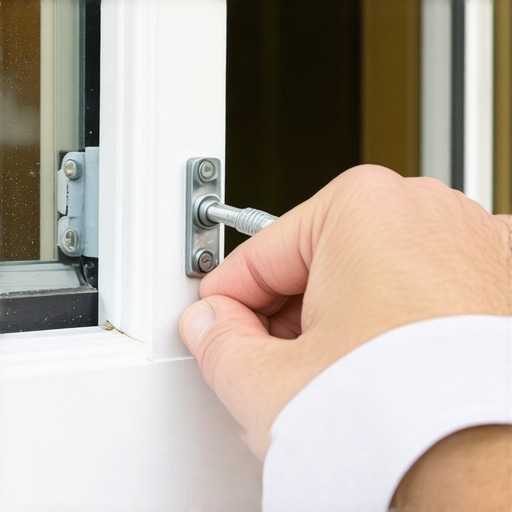
A window that does not lock tightly is little more than a glass-lined wind tunnel. As a master glazier with over two decades in the field, I have seen homeowners spend thousands on high-end window repair and window cleaner services only to ignore the most basic mechanical failure in their home: a wobbly latch. When a latch fails to pull the sash tight against the weatherstripping, your thermal envelope is compromised. In my years of service, I have encountered a specific scenario more times than I can count. A homeowner called me in a panic because their new windows were sweating. I walked in with my hygrometer and showed them the humidity was 60 percent. It was not the windows; it was their lifestyle. However, the root cause of the localized ice buildup was a loose latch on the upper sash that allowed cold air to drop the surface temperature of the glass below the dew point. A simple adjustment saved them a fortune in potential rot repair.
The Mechanics of Sash Compression
To understand why your window latch is wobbly, you must understand the physics of the cam action. A window lock is not just a security device: it is a high-pressure clamp. When you engage the lever, the cam moves across the keeper, pulling the operable sash into the frame. This action compresses the bulb seals and fin seals. If there is even a three-millimeter gap, the U-factor of your window, which measures the rate of heat loss, essentially disappears. You are no longer dealing with conductive heat loss through the glass; you are dealing with mass air infiltration. This is why many people think they need to replace windows when they actually just need a screwdriver and a bit of technical knowledge regarding the hidden hardware components.
“Installation is just as critical as the window performance itself. A high-performance window installed poorly will fail.” – AAMA Installation Masters Guide
The wobbly latch usually stems from one of three issues: a stripped screw in the vinyl or wood, a misaligned keeper, or the hidden set screw that most people never find. In most modern vinyl windows, the hardware is screwed into a thin wall of PVC. Over time, the constant tension of the cam lock pulls those screws loose. If the screw spins freely, the latch cannot generate the force required to seal the window. This is where the hidden screw trick comes into play. On many premium casement and awning windows, the handle itself has a small set screw located on the underside of the housing. If this screw backs out, the handle will feel loose even if the base is firmly attached to the sash. Tightening this screw restores the leverage needed to fully engage the locking bar.
The Anatomy of the Hidden Adjustment
If the handle base itself is moving, you likely have a mounting screw issue. Many homeowners make the mistake of just tightening the visible screws, but there is often a hidden mounting plate beneath the decorative escutcheon. To find it, you must often use a small flat-head tool to pop the plastic or metal cover off the lock base. Once exposed, you will see the primary screws that anchor the hardware into the reinforcement within the sash. If these screws are stripped, do not just put a larger screw in. That is a caulk and walk tactic. Instead, you should use a plastic anchor or a specialized screw intended for window repair that can bite into the internal aluminum or steel reinforcement of the sash. This ensures the lock can handle the 30 to 50 pounds of pressure required to compress modern triple-pane weatherstripping.
In northern climates like Chicago or Minneapolis, the enemy is heat loss and the resulting condensation. When the seal is not tight, the warm, moist air from your home hits the cold surface of the sash and the glass. This leads to water pooling on the sill. If left unchecked, this water will bypass the weep hole system and begin to rot the rough opening. I have seen headers completely black with rot because a latch was not pulling the sash tight enough to keep the moisture out of the internal frame cavity. When you use the hidden screw trick to tighten that latch, you are effectively restoring the window’s ability to manage the dew point. You want the U-factor to remain low, and that only happens when the operable parts of the window function as a single, airtight unit.
“Proper window installation and maintenance require that all operable components function to provide the intended weather-tight seal.” – ASTM E2112 Standard Practice
When Window Repair Meets Maintenance
Sometimes the latch is fine, but the window cleaner has accidentally moved the keeper. The keeper is the part on the opposite side of the lock that the cam grabs. If the keeper has shifted even a fraction of an inch, the lock cannot engage fully. This puts lateral pressure on the latch, causing it to wobble and eventually fail. Check the alignment by looking for wear marks on the metal. If you see shiny spots where the metal is rubbing, your sash is out of square within the rough opening. You may need to shim the frame to bring it back into a true rectangle so the hardware can align naturally. This is more common in older wood windows where the house has settled, putting the muntin and the sash at an angle that defies the original factory tolerances.
If you have gone through these steps and the window still feels drafty, it might be time to replace windows entirely. Vinyl has a high coefficient of thermal expansion. In extreme cold, the frame can actually shrink away from the sash, a phenomenon known as smiling. No amount of latch tightening will fix a frame that has warped beyond its elastic limit. However, for 90 percent of the wobbly latches I see, the hidden screw trick or a simple hardware shim is the solution. You want to look for the set screw, check the escutcheon plate, and ensure the keeper is not obstructed by debris or old paint. By maintaining these small mechanical connections, you extend the life of your glazing and keep your energy bills from skyrocketing during the brutal winter months.
{“@context”:”https://schema.org”,”@type”:”HowTo”,”name”:”How to Tighten a Wobbly Window Latch”,”step”:[{“@type”:”HowToStep”,”text”:”Remove the decorative escutcheon or cover plate using a thin flat-head tool to reveal the hidden mounting screws.”},{“@type”:”HowToStep”,”text”:”Locate the set screw on the underside of the handle or lever and tighten it using the appropriate hex key or screwdriver.”},{“@type”:”HowToStep”,”text”:”Inspect the keeper for alignment and ensure it is not loose or shifted from its original position.”},{“@type”:”HowToStep”,”text”:”Test the cam action to ensure the sash is being pulled tightly against the weatherstripping without excessive force.”}],”totalTime”:”PT15M”}