There is a specific, sickening sensation that occurs when you attempt to close a casement window against a coming storm and the handle suddenly gives way, spinning freely in your hand with a gritty, metallic crunch. As a master glazier with over 25 years in the field, I have seen this failure mode more than almost any other mechanical issue. It is not a matter of ‘bad luck’ or a ‘cheap window.’ It is a failure of physics, often exacerbated by poor installation or a complete lack of understanding of the window as a mechanical system. A homeowner called me in a panic because their new windows were ‘sweating’ and the cranks were failing across the entire south-facing facade. I walked in with my hygrometer and showed them the humidity was 60 percent. It wasn’t just the windows; it was their lifestyle choices combined with a failure to maintain the operable components. The moisture was causing the wood sash to swell, increasing the friction on the weatherstripping, which in turn forced the homeowner to apply excessive torque to the operator, eventually stripping the zinc splines right off the shaft.
The Anatomy of a Mechanical Failure
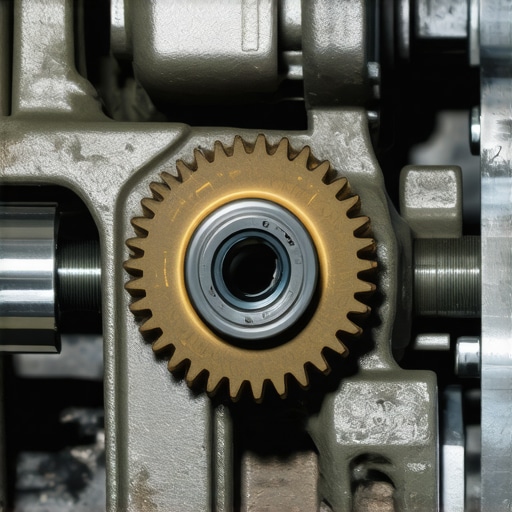
To understand why your window cranks are failing, we must first look at the operator mechanism. Most casement and awning windows utilize a worm gear system. A small, threaded screw (the worm) turns a larger gear attached to the arm that pushes the sash open. When you turn the handle, you are generating torque that is transferred through a series of splines. These splines are the tiny teeth on the operator shaft that interlock with the handle. Most residential window hardware is made from die-cast zinc alloys. Zinc is excellent for complex shapes but it is relatively soft. If the resistance of the sash exceeds the shear strength of the zinc teeth, the teeth will simply flatten, resulting in a handle that spins without moving the arm. This resistance is often caused by a sash that has ‘dropped’ out of square within the rough opening because the installer failed to properly shim the frame or used inadequate flashing tape that allowed moisture to reach the framing, causing the header to sag.
“Installation is just as critical as the window performance itself. A high-performance window installed poorly will fail.” – AAMA Installation Masters Guide
The Role of Climate and Thermal Contraction
In colder northern climates, we deal with the ‘Enemy of Heat Loss.’ When the exterior temperature drops, the materials in your window contract at different rates. If you have a vinyl window, the expansion and contraction coefficient is significantly higher than that of the glass. This can cause the sash to bind against the glazing bead or the frame. If the U-Factor of your window is high, meaning it is poorly insulated, the interior surfaces get cold enough to reach the dew point. This leads to condensation which can freeze the weatherstripping to the sash. If you try to crank open a window that is literally frozen shut, you will strip the gears every single time. This is why we push for triple-pane units with warm-edge spacers in these regions; they keep the interior glass surface warm enough to prevent that ‘ice-lock’ that destroys hardware.
Why Your Window Cleaner is Part of the Solution
You might not associate a window cleaner with mechanical repair, but a professional cleaning is often the best preventative maintenance. A window cleaner who knows their trade will not just wipe the glass; they will clear the debris from the tracks and the weep hole. Accumulated grit in the tracks acts like sandpaper on the nylon sliders of the operator arm. This grit increases the coefficient of friction, requiring more force to operate the window. If you find yourself needing to replace windows frequently, look at your maintenance schedule first. A simple application of dry silicone spray to the tracks and a lithium-grease on the worm gear can extend the life of your hardware by decades. Avoid oil-based lubricants, as they attract dust and create a grinding paste that accelerates wear.
The Installation Autopsy: Why Repairs Often Fail
When a homeowner attempts a window repair by simply swapping the handle, they are usually treating a symptom rather than the disease. If the splines on the operator shaft are rounded, a new handle will be stripped within a week. You must replace the entire operator mechanism. This involves removing the glazing bead or the interior wood stop to access the screws holding the housing to the sill. If the window was not installed level, or if the rough opening was too tight and did not allow for expansion, the frame itself might be bowed. In such cases, even a brand-new operator will eventually fail because it is fighting a structural misalignment. This is where we see the ‘shingle principle’ of water management fail as well. If the sill pan was neglected during installation, water can seep under the operator, corroding the steel components from the inside out.
“The installer shall ensure that all operable components function without excessive force and that the weatherstrip is not compromised during the installation process.” – ASTM E2112
How to Stop the Stripping: A Master’s Guide
First, inspect the sash. Open the window and look at the points where the sash meets the frame. Is there evidence of rubbing or wear? If so, your window is out of square. You may need to adjust the hinges or, in extreme cases, pull the window and re-shim the frame. Second, clean the tracks. Use a vacuum to remove all dust and then wipe with a damp cloth. Third, lubricate. Use a high-quality silicone spray on all moving parts except the gears themselves; for the gears, use a dab of white lithium grease. Finally, check your handles. If they feel loose, tighten the set screw immediately. A loose handle allows for ‘slop’ which concentrates the torque on the tips of the splines, causing them to shear off much faster than a tight-fitting handle would. If the hardware is beyond repair, do not just buy the cheapest replacement at a big-box store. Look for ‘heavy-duty’ rated operators with stainless steel components if you live in a coastal or high-wind area to prevent corrosion and structural failure. Remember, a window is a hole in your thermal envelope; if you cannot close it securely because of a stripped crank, your U-Factor and energy efficiency ratings are effectively zero. Stop forcing the handle and start fixing the friction.