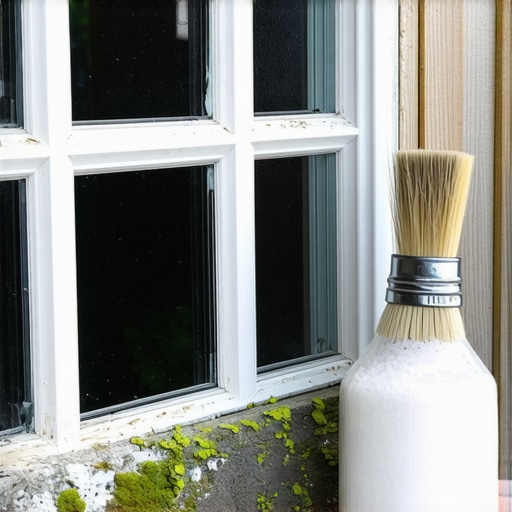
Lichen is not merely an aesthetic blemish on your home exterior; it is a biological warning sign that your glazing system is under siege. As a master glazier with a quarter-century in the field, I have seen homeowners ignore these crusty, green-grey organisms until the damage requires a total replace windows operation rather than a simple window cleaner application. Lichen represents a symbiotic relationship between fungi and algae that thrives in damp, shaded environments, and its presence on your sash or glazing bead suggests that moisture is being trapped in ways the original architect never intended.
The Rot Repair: A Master Glazier’s Warning
I pulled a wood casement window out of a seaside cottage in Oregon three years ago, and the experience remains a textbook case for why biological growth matters. The homeowner had noticed lichen blooming along the lower muntin and the sill. To the untrained eye, it looked like coastal charm. When I pried back the exterior stop, I found that the lichen had used its acidic secretions to etch into the wood finish, creating pathways for liquid water to reach the core. The header and the rough opening were completely black with rot because the previous installer had relied on the nailing fin instead of proper flashing tape. The lichen was simply the messenger. By the time I was called for a window repair, the structural integrity of the wall was compromised. This is why understanding the chemistry of cleaning and the physics of water management is vital for every property owner.
The Science of Lichen on Fenestration
Lichen attaches itself to surfaces through rhizines, which can penetrate microscopic cracks in aged vinyl or the grain of wood frames. Once anchored, they produce oxalic acid. This chemical process is what makes them so difficult to remove with standard window cleaner products. To truly eradicate the growth without destroying the finish of your operable sashes, you must understand the pH balance of your cleaning solution. Vinegar, specifically white distilled vinegar with an acetic acid concentration of about five percent, acts as a mild biocide. When combined with salt, or sodium chloride, it creates an osmotic environment that dehydrates the lichen at a cellular level.
“Installation is just as critical as the window performance itself. A high-performance window installed poorly will fail, often due to moisture accumulation that encourages biological growth.” – AAMA Installation Masters Guide
In coastal or damp northern climates, the enemy is always moisture. If your windows are constantly damp, you are likely dealing with a high U-Factor or a failure in the thermal break of an aluminum frame. This persistent condensation provides the hydration lichen needs to flourish. When you see growth, you must check your weep hole functionality immediately. If the weep holes are clogged with debris or paint, the sash will sit in standing water, turning your glazing bead into a Petri dish.
The Salt and Vinegar Protocol
To execute a professional-grade cleaning, you need a specific ratio. Mix one gallon of warm water with two cups of white vinegar and half a cup of non-iodized salt. The salt must be fully dissolved to avoid scratching the glass or the frame finish. Using a soft-bristled brush, apply the solution to the lichen-affected areas of the sash and frame. Do not use a pressure washer; the high PSI can blow out the seals of an Insulated Glass Unit (IGU) or force water past the sill pan and into your wall cavity. Let the solution dwell for fifteen minutes. This allows the acetic acid to break down the fungal attachment points. After the dwell time, gently scrub the area in a circular motion. You will see the lichen lose its grip as the osmotic pressure from the salt disrupts its internal moisture balance.
When Cleaning Becomes Replacement
There is a point where no amount of vinegar will save the unit. If you find that the lichen has grown under the glazing bead or if the wood underneath feels soft when probed with a flat-head screwdriver, you are looking at a window repair that may transition into a full replace windows project. For those in high-moisture zones, I often recommend transitioning to fiberglass frames. Unlike vinyl, which has a high coefficient of thermal expansion and can create gaps between the sash and the frame, fiberglass is extremely stable. This stability prevents the microscopic fissures where lichen and mold find purchase. Furthermore, ensure that any new installation includes a proper sill pan and high-quality flashing tape that is integrated into the weather-resistive barrier in a shingle-fashion.
“The primary purpose of a window is to provide a weather-resistant barrier, and any biological growth is an indication that the barrier or its maintenance has been compromised.” – ASTM E2112 Standard Practice
Technical Maintenance of the Glazing System
Beyond the frames, the glass itself requires attention. Lichen can actually etch glass if left long enough, as the acids it produces react with the silica. During your window cleaner routine, inspect the perimeter seals. If the sealant is cracking or pulling away from the rough opening, you are inviting moisture to sit behind the frame. I always tell my apprentices that a window is a hole in a perfectly good wall; our job is to make sure that hole doesn’t become a drain for the rest of the house. Regular applications of the salt and vinegar solution every spring can prevent the colonization of these organisms, especially on the north-facing sides of your home where the sun rarely reaches the sashes to dry them out. Keep your weep holes clear and your glazing beads tight, and you will extend the life of your fenestration by decades.