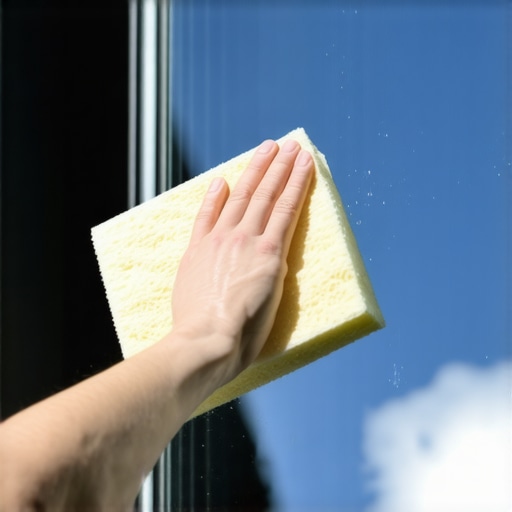
After a quarter-century in the glazing trade, I have seen it all. I have climbed scaffolds in high-rises and crawled through damp crawlspaces to inspect rotting sills. I have witnessed the evolution of the industry from single-pane float glass held by linseed oil putty to high-performance triple-pane units with spectrally selective coatings. People often ask me for the secret to a streak-free finish, and while I usually reach for a professional-grade squeegee and a surgical huck towel, there is an old-school remedy that holds up under scientific scrutiny: the black tea hack.
The Condensation Crisis: A Master Glazier Narrative
A homeowner once called me in a panic because their brand-new windows were constantly sweating. I walked into the living room with my hygrometer and a high-intensity lamp. They were convinced the glass was defective or the installer had botched the seal. I showed them that the interior humidity was hovering at sixty percent while the outside temperature was ten degrees. It was not a window failure; it was a lifestyle conflict. The glass was doing its job by being the coldest surface in the room, hitting the dew point and pulling moisture out of the air. This constant moisture on the glass surface often leads to a specific type of environmental grime that becomes incredibly difficult to remove with standard ammonia-based cleaners. This is where the chemistry of tannic acid comes into play.
The Molecular Logic of Tannic Acid
Glass might look smooth to the naked eye, but under a microscope, it is a landscape of peaks and valleys. Mineral deposits from hard water, alkaline dust, and atmospheric pollutants settle into these microscopic voids. Black tea contains high concentrations of tannic acid. When you apply a concentrated tea solution to grimy external glass, the tannins act as a mild acidic surfactant. They work to break the ionic bonds of alkaline mineral deposits and cut through the greasy film left by oxidized paint or automotive exhaust. Unlike soap, which can leave a surfactant residue that actually attracts more dust, the tea solution evaporates cleanly while neutralizing the surface pH of the pane.
“Installation is just as critical as the window performance itself. A high-performance window installed poorly will fail.” – AAMA Installation Masters Guide
The Physics of the North: Why U-Factor Matters
In cold climates like Chicago or Minneapolis, the primary enemy is heat loss. We focus heavily on the U-Factor, which measures the rate of non-solar heat flow through a window. The lower the U-Factor, the better the window is at keeping the heat you paid for inside the building. When you are looking to replace windows, you must understand that the glass package is only half the battle. If the sash is not seated correctly within the frame, or if the rough opening was not properly shimmed and insulated, that low U-Factor glass is essentially useless. A cold glass surface in winter is more than just a comfort issue; it is a maintenance nightmare. Cold glass attracts condensation, and condensation attracts dirt. This cycle of wetting and drying creates a stubborn crust of grime that requires the deep-cleaning power of the black tea hack to restore clarity without scratching the glazing bead or damaging the muntin.
Anatomy of a Professional Window Repair
When a homeowner asks about window repair, they are often dealing with more than just a dirty pane. They are dealing with a failure of the water management system. Every window is designed to manage water via the shingle principle. This means every component, from the drip cap at the head to the sill pan at the bottom, must overlap so that gravity carries water away from the structure. If you see water on your interior sill, the first thing I check is the weep hole. These are small apertures in the bottom of the vinyl or aluminum frame designed to allow water to escape the glazing track. If these are clogged with debris or painted shut by an amateur, water backs up, rots the wood sash, and can eventually compromise the flashing tape protecting your rough opening. Cleaning your windows with the tea hack is the perfect time to inspect these critical components.
“Standard Practice for Installation of Exterior Windows, Doors and Skylights must account for the continuity of the water-resistive barrier.” – ASTM E2112
Decoding the NFRC Label
When the time comes to finally replace windows because the IGU has failed and the desiccant is saturated, you need to look at the NFRC label. For those in northern latitudes, look for a U-Factor of 0.27 or lower. You also want a warm-edge spacer between the panes. Older windows used aluminum spacers, which are highly conductive and create a cold perimeter around the glass, leading to edge-of-glass condensation. Modern spacers use stainless steel or structural foam to break that thermal bridge. This keeps the glass temperature above the dew point, reducing the frequency of cleaning needed and preventing the growth of mold on the glazing bead.
The Professional Cleaning Protocol
To execute the black tea hack properly, brew three bags of high-tannin black tea in a liter of boiling water. Let it steep until it is completely cool. This is critical: never put hot liquid on cold glass, or you risk a thermal fracture. Pour the solution into a spray bottle. Mist the glass and use a lint-free cloth to agitate the grime. For the final pass, use a professional squeegee with a fresh rubber blade. Ensure you are not just pushing the dirt into the corners where the sash meets the frame. Use a small brush to clear any debris from the weep hole. This maintenance routine does more than just improve your view; it allows you to inspect the integrity of the sealant and the condition of the flashing tape before a minor leak becomes a major structural repair.