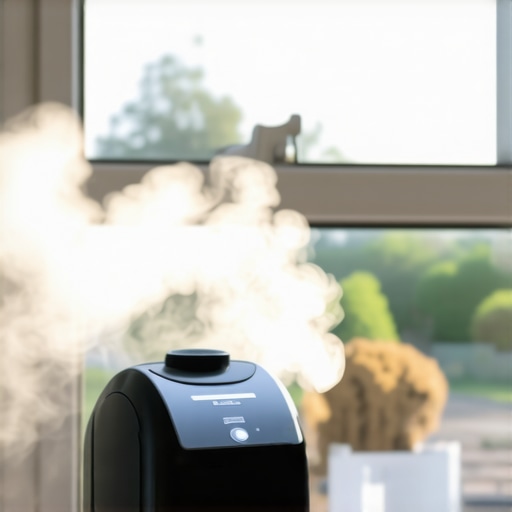
If you have ever tried to operate a double-hung sash only to have it screech like a banshee or stick midway through its travel, you are dealing with more than just a dirty house. You are witnessing the mechanical degradation of your home’s fenestration system. As a master glazier with a quarter-century of experience, I have seen thousands of high-performance windows ruined not by age, but by simple grit. A window is a precision instrument, a hole in your thermal envelope that must manage heat, light, and water. When the tracks of that window become a graveyard for dead flies, construction dust, and atmospheric pollutants, the entire system begins to fail.
A homeowner called me in a panic because their new windows were ‘sweating’ and the tracks were filled with a gray, sludge-like substance. I walked in with my hygrometer and showed them the humidity was 60 percent. It was not a window defect; it was their lifestyle combined with a total lack of track maintenance. That moisture was condensing on the cold glass, running down into the tracks, and mixing with household dust to create what we call ‘glazier’s mud.’ This sludge was clogging the weep holes, meaning the water had nowhere to go but into the subfloor. A simple steam cleaning routine could have prevented a three thousand dollar window repair bill. This is why I tell my clients that the easiest way to clean window tracks is using only steam, a method that respects the physics of the window without the need for harsh chemicals that degrade EPDM gaskets and vinyl finishes.
“Installation is just as critical as the window performance itself. A high-performance window installed poorly will fail, and a window that is not maintained will fail even faster.” – AAMA Installation Masters Guide
The Physics of Steam vs. The Chemistry of Dirt
Why steam? Most homeowners reach for a bottle of blue liquid and a rag. The problem is that window tracks are complex geometries. You have the sill, the accessory grooves, the jamb pockets, and the delicate weep hole covers. A rag just pushes the dirt into the corners where it builds up and creates friction against the sash. Steam works through the latent heat of vaporization. When high-temperature water vapor hits a hardened deposit of grease or dirt, it breaks the surface tension and melts the bond between the debris and the vinyl or fiberglass frame. This allows the debris to be lifted out of the track rather than being scrubbed deeper into the mechanical components.
In northern climates like Chicago or Minneapolis, the enemy is heat loss and the resulting condensation. When your U-Factor is not low enough to keep the interior glass surface above the dew point, you get water. That water sits in the track. If you do not clear that track, the water creates a thermal bridge. Debris holds moisture, and moisture conducts heat. By steam cleaning your tracks, you are ensuring that the weatherstripping can make a full, airtight seal against the sill. This prevents the air infiltration that makes your living room feel like a wind tunnel in January.
The Step-by-Step Professional Steam Method
Before you begin, you need to understand the rough opening and how the window is seated. You are not just cleaning a surface; you are maintaining a drainage system. Start by vacuuming the heavy debris with a narrow crevice tool. Do not skip this. If you apply steam to heavy dirt, you just make mud. Once the loose grit is gone, use a handheld steam cleaner with a concentrated nozzle. Direct the steam into the corners where the jamb meets the sill. This is where the shim might be hidden and where water tends to pool.
Focus the steam on the weep holes. These are the small rectangular openings on the exterior of the frame. Their job is to allow water that enters the track to exit the building. If these are clogged, your sill pan will overflow, and you will eventually be looking at a total window repair or even a full frame replacement because of rot. The steam will blow through these holes, clearing out spider webs and dust that a brush could never reach. Follow the steam with a clean microfiber cloth to wipe away the loosened slurry. You will see the original luster of the vinyl return without the use of abrasives that scratch the surface and create more places for dirt to hide.
“Water penetration resistance is dependent on the integrity of the drainage system, which must remain free of debris to function as designed.” – ASTM E2112 Standard Practice
When Cleaning Becomes an Autopsy
Sometimes, while cleaning, you realize that a window cleaner is not enough and you actually need to replace windows. While you are in the tracks with your steam cleaner, look for the warning signs of systemic failure. Inspect the glazing bead—the plastic strip that holds the glass in the sash. If it is brittle or cracking, your seal is compromised. Look at the balance system in the jamb. If you see rust, you have a water infiltration problem that goes deeper than the track. Steam cleaning allows you to see the actual condition of the frame without the camouflage of dirt.
If you find that the sash is still difficult to move after a thorough cleaning, do not force it. You may have a bowed frame or a failing spring balance. In my years of doing window repair, I have seen people break the glass because they tried to force a sash that was stuck on a piece of gravel. A clean track is the first step in diagnosing whether the window is mechanically sound or if it has reached the end of its life cycle. Remember, the goal is to manage the hole in the wall. A clean, clear drainage path and a smooth-gliding sash are the only ways to ensure your home remains energy efficient and dry. Stop relying on the ‘caulk-and-walk’ mentality. Take the time to use steam and maintain the precision of your windows.