The Humidity Trap: A Case Study in Mechanical Failure
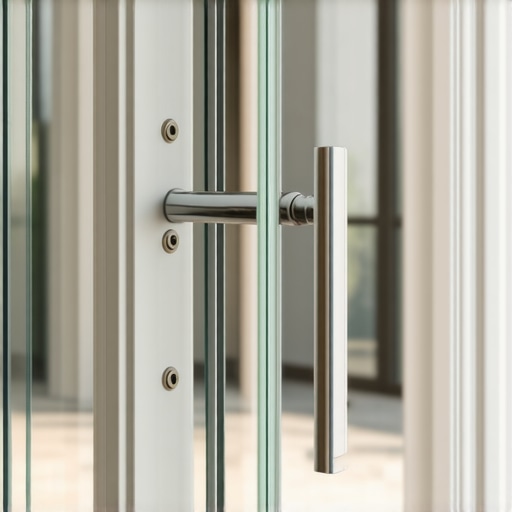
A homeowner called me in a panic because their new sliding door handle was wobbling and eventually came off in their hand. I walked in with my hygrometer and showed them the humidity was 60 percent. It was not the windows or the door itself; it was their lifestyle choices in a high performance envelope. In the dead of winter, that moisture was migrating to the coldest thermal bridge in the room: the handle assembly of the sliding glass door. This moisture leads to micro-corrosion within the fastener threads and, more importantly, creates ice within the track system. When the operator attempts to force an operable sash that is essentially frozen to the sill, the mechanical advantage of the handle turns into a pry bar, stripping the mounting screws out of the vertical stile. This is the reality of residential fenestration where physics meets daily use. Most people think a loose handle is just a screw that needs a turn, but as a master glazier, I can tell you it is usually the first symptom of a systemic installation or environmental failure.
“Installation is just as critical as the window performance itself. A high-performance window installed poorly will fail.” AAMA Installation Masters Guide
The Physics of Fastener Fatigue in Fenestration
When we look at a sliding door, we are looking at a massive heavy glass unit, often a double-pane Insulated Glass Unit (IGU), moving on a set of rollers. The handle is the primary interface for this movement. If the Rough Opening was not perfectly level, or if the Shim placement was haphazard, the frame will rack. A racked frame means the latch and the strike plate do not align with precision. This misalignment creates a ‘catch’ every time you close the door. Over hundreds of cycles, that catch sends a shockwave through the handle assembly. This is mechanical vibration and fastener fatigue. Most sliding door handles are secured with two long machine screws that pass through the interior handle, through the door frame, and into the exterior pull. If those screws are threading into thin-walled vinyl without proper internal steel reinforcement, the plastic will eventually cold-flow and the hole will enlarge. This is why a simple window repair often turns into a discussion about hardware upgrade or structural reinforcement.
Thermal Expansion and the Expansion Coefficient
In regions where the temperature swings from sub-zero winters to blistering summers, the expansion coefficient of your door material is the silent killer of hardware stability. Vinyl (PVC) has a much higher rate of expansion than the glass it holds. As the door expands and contracts, the pressure on the internal locking mechanism shifts. If you are in a cold climate, the U-Factor is your primary concern. A low U-Factor means the door is resisting heat flow, but the physical material is still subject to the laws of thermodynamics. When the door frame contracts in the cold, but the handle (usually a zinc or aluminum alloy) contracts at a different rate, the tension on the screws is lost. This creates a microscopic gap. Once a gap exists, every use of the door acts as a hammer, slowly widening the pilot hole. This is why you should never just ‘caulk and walk’ a loose handle. You need to investigate if the frame is still square within its Rough Opening.
The Role of Maintenance and the Window Cleaner
People often overlook the importance of hygiene in mechanical longevity. I always tell clients that a good window cleaner is not just for aesthetics; it is a vital part of the maintenance cycle. If the tracks are full of grit and dog hair, the coefficient of friction increases exponentially. The more force required to slide the door, the more stress is placed on the handle. Eventually, the handle fails because it was never designed to be a lever for a stuck door. During a standard window repair, the first thing I do is vacuum the tracks and clean the Weep Hole. If the weep holes are clogged, water backs up into the Sill Pan and can actually reach the lower mounting screws of the handle assembly. Once water hits those threads, galvanic corrosion begins, especially if you have stainless steel screws in a zinc handle. This creates a brittle bond that snaps under the slightest pressure.
“Standard practice for installation of exterior windows and doors must account for the management of water and the integrity of the fastener system over the life of the product.” ASTM E2112
When to Repair and When to Replace Windows and Doors
There comes a point where tightening the screw is no longer an option. If the internal ‘boss’ or the metal post that accepts the screw has been sheared or stripped, you are looking at hardware replacement. However, if the entire frame is warped due to a lack of a proper Sill Pan or poor Flashing Tape application, you may need to replace windows and doors entirely. A door that requires excessive force to operate is a safety hazard and an energy drain. If you can see light through the Glazing Bead or if the Muntin bars are rattling, the structural integrity of the unit is compromised. Replacement allows for the installation of modern Low-E coatings, which reflect long-wave infrared radiation back into the house during winter, reducing the thermal stress on the frame and its hardware. When you replace windows, you aren’t just getting new glass; you are getting a new, engineered system where the handle, the rollers, and the weatherstripping work in concert to minimize the force required for operation.
Technical Steps for Fixing a Loose Handle
If you are attempting a DIY fix, do not just reach for a screwdriver. First, remove the handle entirely and inspect the mounting holes. If the holes are wallowed out in a vinyl door, you may need to install a ‘repair plate’ or use a larger gauge screw with a different thread pitch. Ensure that the Sash is sitting square in the frame. If one side is lower than the other, adjust the rollers before tightening the handle. Use a medium-strength thread-locking compound on the screws to prevent them from vibrating loose again. Finally, ensure the window cleaner you use is non-corrosive; some ammonia-based cleaners can actually degrade the finish on the handle and seep into the mechanical parts, causing the internal springs to fail. This is the level of detail required to ensure that a simple handle does its job for another twenty years.