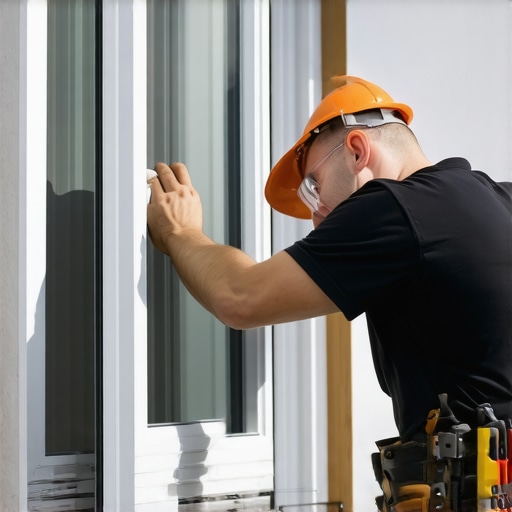
One chilly morning, I reached for the window latch only to find it shattered in my hand. That moment of realization hit hard—my window was beyond simple repair. Frustration set in as I remembered the countless times I ignored its warning signs: drafts, squeaks, and condensation. It dawned on me that neglecting window issues not only compromises comfort but also security and energy efficiency. That lightbulb moment motivated me to learn everything about replacing windows and reliable repair tips, transforming my home into a safer, more comfortable haven.
Why Replacing Windows Is More Than Just a Cosmetic Upgrade
Replacing windows isn’t just about aesthetics. It directly impacts your home’s energy efficiency, security, and value. An outdated or damaged window can cause drafts, increase energy bills, and even pose safety risks. According to the U.S. Department of Energy, upgrading to modern, energy-efficient windows can save homeowners up to 15% on cooling and heating costs annually. This is a compelling reason to consider expert guidance on window replacement and repair, ensuring you get lasting results and avoid costly mistakes.
Have You Faced This Problem?
Do you find yourself battling drafts, stubborn condensation, or broken window locks? If so, you’re not alone. Many homeowners underestimate the importance of timely window repairs and replacements, often leading to more extensive issues down the line. I learned this the hard way when I attempted a DIY fix that only made matters worse. That experience taught me the value of trusting professionals and following proven tips for lasting home improvements. If you’re curious about how to replace windows effectively and ensure durable results, keep reading. I’ll share insights and resources that can save you time, money, and stress. For a comprehensive guide, visit this trusted resource.
Assess the Current State of Your Windows
Start by inspecting your windows thoroughly. Check for cracks, broken glass, warped frames, or loosened seals. I once found my window frame rotting after noticing a persistent draft—an easy fix turned into a full replacement when I realized the damage was extensive. Use a flashlight to look for condensation or mold between panes, indicating failed seals. Document everything for future reference or professional consultation.
Gather the Necessary Tools and Materials
Equip yourself with a utility knife, screwdrivers, pry bars, a level, measuring tape, and safety gear like gloves and goggles. For materials, you’ll need new windows, insulation foam or weatherstripping, caulk, and possibly replacement screws or nails. When I replaced my living room window, I found that having all tools ready minimized delays and kept the project on track. For cost-effective solutions, check out this resource.
Remove the Old Window Carefully
Detach the Window Sashes and Frame
Start by removing the interior stops and sashes. Use a pry bar to gently loosen the frame without damaging drywall or trim. When I did this, I was cautious to avoid cracking the wall paint, which saved me from later touch-up work. Removing the old window exposes the rough opening, so clean out debris and check for any structural issues before proceeding.
Address Any Structural or Water Damage
If you spot rot or water damage, reinforce or replace affected framing. I once found wet insulation behind a window; replacing it with proper moisture barriers prevented future problems. This step ensures your new window installation will be durable and secure, aligning with trusted solutions like trusted replacement solutions.
Prepare and Install the New Window
Measure and Fit the New Window Precisely
Measure the opening dimensions carefully—width, height, and depth. Always double-check your measurements; a misfit causes leaks and drafts. When I measured my bedroom window, I used a level to ensure the sill was perfectly horizontal, which prevented water pooling. Place the window into the opening, ensuring it sits flush and level.
Secure the Window and Seal Gaps
Use shims to adjust the window for a snug fit. Secure it with screws through the frame, avoiding over-tightening, which can warp the frame. Apply weatherstripping around the frame to improve insulation. Seal all gaps with high-quality caulk for a weather-tight fit. I learned that proper sealing saved me from drafts and increased energy efficiency, echoing what experts recommend for lasting results.
Finish and Inspect Your Work
Reinstall interior stops and trim. Check the operation of the window—open, close, and lock it several times. Look for any gaps or misalignments. If needed, add additional shims or reapply caulk. After completing my window replacement, I tested the locks and found that applying a bit more sealant improved security and insulation, a simple step that adds long-term durability.
Clean Up and Maintain
Remove protective films, clean the glass with trusted solutions, and dispose of old materials responsibly. Regular maintenance, like cleaning with trusted cleaning tips, extends the lifespan of your windows and keeps your home looking its best.
While it might seem straightforward to replace a window, many homeowners fall into common traps that can jeopardize the long-term success of their investment. Let’s dig deeper into the nuances that often get overlooked and challenge some prevailing myths.
Myth: All Windows Are Created Equal
One widespread misconception is that any window will do as long as it fits the opening. In reality, the quality of the window’s materials, the type of glass, and the framing significantly impact energy efficiency and durability. For instance, double-pane or even triple-pane windows with low-E coatings can drastically reduce heat transfer, yet many homeowners opt for cheaper single-pane options, unknowingly sacrificing comfort and savings. To ensure you’re making an informed decision, consult trusted resources like this guide on reliable window replacement.
The Oops Factor: Ignoring Proper Installation
Many assume that buying high-quality windows guarantees a perfect fit and seal. However, improper installation is a leading cause of drafts, leaks, and early failure. Over-tightening screws, misaligned frames, or neglecting proper sealing can nullify the benefits of the best window choices. Professional installation by certified experts is crucial and can be verified by checking for certification and reviews. For a thorough approach, consider trusted solutions like trusted window replacement services.
Advanced Question: How Do You Balance Cost and Long-Term Value?
Many homeowners focus on upfront costs, but this can be a false economy. Cheaper windows may save money initially but often require more frequent repairs or replacements, leading to higher costs over time. High-quality, energy-efficient windows may have a higher initial price, but they pay off through energy savings, reduced maintenance, and increased home value. According to a study by the National Association of Home Builders, investing in premium windows can increase home resale value and attract more buyers. The key is to evaluate the total cost of ownership and choose solutions aligned with your long-term goals. For guidance on maximizing value, visit this resource on affordable yet durable options.
Have you ever fallen into this trap? Let me know in the comments. Remember, understanding these hidden nuances helps you avoid costly mistakes and ensures your home improvement projects stand the test of time.
Keeping your windows functioning smoothly over time requires more than just initial installation; it demands diligent maintenance and the right tools. Personally, I rely on a few specialized tools that make ongoing upkeep straightforward and effective. One such tool is a high-quality silicone spray lubricant. I use this on window tracks and locks to ensure smooth operation and prevent rust, especially in humid climates. Applying it quarterly keeps everything moving freely without the mess of oil or grease that can attract dirt.
Another indispensable item in my toolkit is a digital moisture meter. I use this device to monitor the humidity levels around my windows, helping me detect early signs of seal failure or mold growth. This proactive approach allows me to address issues before they escalate into costly repairs. For DIYers, a moisture meter is an affordable investment that pays off by extending the lifespan of your windows.
When it comes to cleaning and maintaining the glass itself, I recommend a microfiber cloth combined with a non-abrasive, pH-balanced window cleaner. This combo ensures a streak-free shine without scratching the glass or damaging any coatings. Regular cleaning not only improves clarity but also helps you spot potential problems, such as cracks or chips, early on. For more advanced cleaning techniques, check out trusted cleaning solutions.
For sealing and weatherproofing, I’ve found that a high-quality, paintable silicone caulk is essential. It’s flexible, durable, and adheres well to various materials, making it perfect for sealing gaps around frames or cracks in the sills. I always keep a caulk gun and a few extra tubes handy for touch-ups, especially before winter or rainy seasons. Proper sealing prevents drafts, water infiltration, and heat loss, ensuring your windows perform efficiently for years.
How do I maintain my windows over time?
The key to long-term window performance is regular inspection and prompt attention to minor issues. Check for signs of wear, such as broken seals, loose hardware, or frame damage, every six months. Lubricate moving parts, clean the glass, and reseal any gaps as needed. For those interested in more advanced maintenance practices, consider installing weatherstripping upgrades or applying protective films that enhance durability and energy efficiency. As technology advances, we can expect smarter, self-maintaining window systems—like those integrated with IoT sensors—to become more accessible, further simplifying home upkeep.
Don’t forget, the right tools can save you time and money in the long run. I strongly suggest trying a moisture meter and high-quality silicone lubricant to keep your windows in top shape. For detailed step-by-step guidance, visit this resource. Proper maintenance ensures your investment lasts and continues to provide comfort, security, and energy savings for years to come.
The Hardest Lesson I Learned About Window Replacement
One of the most valuable insights I gained was that rushing through window repairs without proper planning often leads to setbacks. I once attempted a quick fix, only to discover that overlooked structural issues caused my efforts to fail. This taught me that patience and thorough inspection are essential for lasting results.
3 Myths About Window Replacement That Held Me Back
Believing that all windows are created equal was a mistake I made early on. I thought cheaper options would suffice, but I soon realized that quality materials and proper installation are crucial for energy efficiency and security. Debunking these myths helped me choose smarter, more durable solutions for my home.
What Experts Won’t Tell You About DIY Window Repairs
While DIY can be rewarding, I learned that some tasks require professional expertise to ensure safety and longevity. For example, sealing gaps correctly and ensuring precise measurements can make or break the project. Trusting trusted services like this resource has saved me from costly errors.