The Anatomy of Glass: More Than Just a Transparent Barrier
As a Master Glazier with over a quarter-century in the trade, I have seen it all: from the precision of high-performance curtain walls to the delicate restoration of century-old muntins. People often view glass as a static, indestructible material, but in the world of professional glazing, we treat it as an amorphous solid with a specific surface tension and molecular vulnerability. When you see a scratch on your window, you are not just looking at a cosmetic flaw; you are looking at a disruption in the structural integrity of the pane. Window repair is a science, and before you consider the need to replace windows, you must understand the physics of the glass you are working with.
The Condensation Crisis: A Lesson in Surface Integrity
A homeowner called me in a panic because their new windows were ‘sweating.’ I walked in with my hygrometer and showed them the humidity was 60%. It wasn’t the windows; it was their lifestyle. But the bigger issue was how they had tried to ‘fix’ the moisture. They had used an abrasive scouring pad to try and scrub away what they thought were permanent water spots, resulting in a hazy mess of micro-scratches. This is where the intersection of a window cleaner and a technician becomes critical. They had essentially sandblasted their high-performance glazing, and I had to explain that while toothpaste might save a minor surface abrasion, it cannot fix a destroyed Low-E coating.
“Installation is just as critical as the window performance itself. A high-performance window installed poorly will fail.” – AAMA Installation Masters Guide
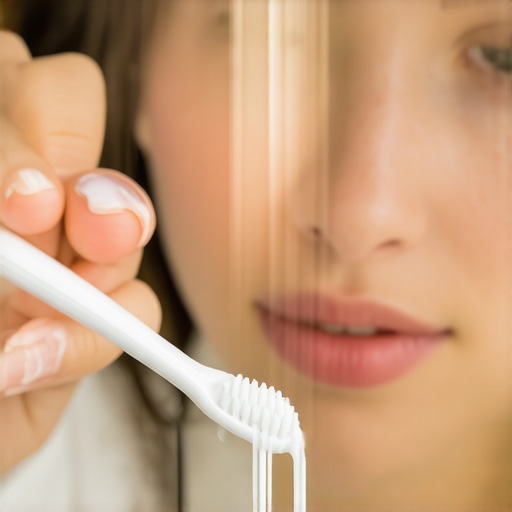
The Science of Toothpaste as a Polishing Agent
Why toothpaste? It comes down to the Mohs scale of mineral hardness. Standard window glass typically sits between 5.5 and 7 on the scale. Most common toothpastes contain mild abrasives like calcium carbonate or hydrated silica, which hover around 3 to 4. In the world of glazing, we use these mild abrasives to slowly level the surrounding area of a shallow scratch, effectively ‘polishing’ it out. This is not a magic fix for deep gouges that you can catch your fingernail in. If the scratch is deep enough to feel, you are looking at a potential stress crack point, and no amount of Colgate will prevent the need for a full sash replacement.
The Glass Class: U-Factor and Thermal Logic
In northern climates like Chicago or Minneapolis, the window is the primary defense against heat loss. We prioritize the U-Factor, which measures the rate of heat transfer. A lower U-factor means better insulation. When we talk about window repair or choosing to replace windows, we have to look at the Low-E (low-emissivity) coatings. In cold climates, we want that coating on Surface #3 (the exterior face of the inner pane) to reflect heat back into the room. If you attempt to use toothpaste on a window that has an aftermarket tint or an exposed Surface #4 coating, you will strip the performance layer right off the glass. This is why understanding the NFRC label is vital before you start any DIY restoration.
“The physical properties of the glass surface can be significantly altered by improper cleaning techniques or the use of incompatible chemicals.” – NFRC Performance Standards
Step-by-Step: The Professional Approach to Scratch Removal
If you have determined the scratch is superficial and on a non-coated surface, follow this protocol. First, use a dedicated window cleaner to remove all particulates. Any leftover grit will act like sandpaper and create more scratches. Second, apply a small pea-sized amount of non-gel, whitening toothpaste (which has higher silica content) to a clean microfiber cloth. Rub in a circular motion for exactly 30 seconds with moderate pressure. You are essentially acting as a human polisher, slowly wearing down the microscopic ridges of the scratch. Third, wipe the area with a damp cloth and inspect. If the scratch persists but has faded, you can repeat the process. However, if you see a ‘haze’ developing, stop immediately. You are changing the refractive index of that spot, which will be visible in direct sunlight.
When DIY Fails: The Reality of Window Repair
Sometimes, a scratch is just a symptom of a larger problem. If your window is hard to operate or you see daylight around the sash, your issues go deeper than a surface scratch. You might be dealing with a warped frame or a failed seal in your Insulated Glass Unit (IGU). In these cases, we look at the rough opening. If the original installer didn’t use proper shims or failed to install a sill pan and flashing tape, the window may be twisting, putting pressure on the glass and making it more prone to scratching and breakage. An operable window must be perfectly square within the rough opening to maintain its thermal and structural ratings. If your windows are twenty years old and the argon gas has leaked out, polishing a scratch is like painting a car with a dead engine. It looks better, but it’s not performing.
The Maintenance Mandate
To avoid the need for aggressive scratch removal, your maintenance routine is key. Stop using paper towels, which can contain wood fibers hard enough to scratch soft glass over time. Stick to high-quality microfiber and professional-grade squeegees. Check your weep holes annually to ensure water isn’t backing up into the frame, which can lead to mineral deposits that tempt you to use abrasives. Remember, a window is a complex system designed to manage heat, light, and water. Treat the glass with the respect a precision instrument deserves, and you’ll rarely need to reach for the toothpaste tube.