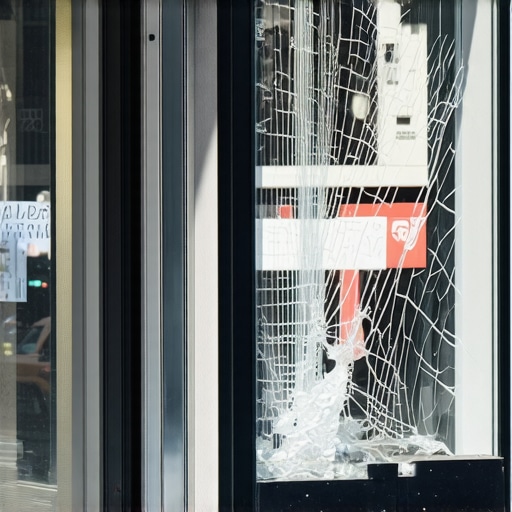
Beyond the Surface: Why a Single Crack is a Building Envelope Crisis
I have spent over twenty five years in the glazing trade, and if there is one thing that gets my blood boiling, it is the sight of a spiderweb crack in a commercial storefront that has been ignored for six months. To the casual observer or the negligent property manager, it is a cosmetic blemish. To a master glazier, it is a flashing red light signaling the imminent failure of the building envelope. A storefront window is not just a piece of glass held in by a frame. It is a highly engineered system designed to manage air pressure, water infiltration, and thermal transfer. When you see a crack, the integrity of that system has been compromised, and the clock is ticking on some very expensive consequences.
“Installation is just as critical as the window performance itself. A high-performance window installed poorly will fail.” – AAMA Installation Masters Guide
The Condensation Crisis: A Narrative Warning
A property owner in a humid urban corridor called me last August because their lobby windows were constantly foggy. They had a small impact crack in the lower corner of a large fixed pane that they decided to ignore because it was out of the direct line of sight. I walked in with my hygrometer and a thermal imaging camera. The humidity inside was manageable, but the space between the glass panes in their Insulated Glass Unit (IGU) was saturated. Because they did not replace windows when the crack first appeared, the hermetic seal was breached. The desiccant in the spacer bar had long since reached its saturation point. Now, they weren’t just looking at a crack, they were looking at a total system failure where moisture was beginning to corrode the internal glazing bead and secondary seals. What could have been a simple window repair had turned into a full frame replacement because the moisture had begun to dwell in the rough opening, leading to localized mold growth behind the drywall.
The Physics of the Storefront: Thermal Stress and SHGC
Commercial glass, especially in large storefront applications, lives in a state of constant physical tension. Unlike residential windows, these systems often use heavy, large-format glass that expands and contracts significantly. In a southern climate where the sun beats down on dark bronze or black anodized aluminum frames, the frame temperature can soar while the center of the glass remains relatively cool. This temperature differential creates thermal stress. If the shim placement was slightly off during the initial install, or if the sill pan is not allowing for proper movement, that stress finds the weakest point. A crack provides an escape route for the gas fill, usually argon, which is responsible for the window’s U-factor performance. Once that gas escapes, your Solar Heat Gain Coefficient (SHGC) is effectively useless in that zone. You are no longer reflecting heat, you are absorbing it, forcing your HVAC system to work overtime to compensate for a single fractured IGU.
The Drainage Disaster: Weep Holes and Water Management
One of the most misunderstood components of a commercial storefront is the water management system. These frames are designed to take in a certain amount of water and then redirect it outside through a series of weep hole channels. When glass is cracked, water enters the glazing pocket in volumes the system was never designed to handle. This water bypasses the internal gaskets and sits in the sill pan. If the original installer was a “caulk-and-walk” amateur who didn’t use proper flashing tape or failed to seal the end dams of the sill, that water will find its way into the building’s structure. I have seen rough opening headers rotted out completely because a ten inch crack allowed wind-driven rain to bypass the primary seal for two seasons. Regular maintenance by a professional window cleaner can often catch these hairline fractures before they become structural leaks, as they are the ones getting close enough to the glass to notice the early signs of stress or seal failure.
“Proper maintenance and timely repair of fenestration components are essential to ensure the longevity and safety of the building envelope.” – ASTM E2112 Standard Practice
Liability and the Safety Risk
We cannot discuss cracked commercial glass without addressing the liability. Most storefronts use tempered or laminated glass for safety. However, once a tempered lite is cracked, its structural integrity is gone. It is no longer a barrier; it is a liability waiting for a gust of wind or a stray elbow to turn it into a thousand shards of glass. If you delay a window repair in a high-traffic area, you are gambling with public safety and your insurance premiums. A sash that is warped or an operable window that has been stressed by a crack can fail suddenly. The cost to replace windows now is a fraction of the cost of a personal injury lawsuit later.
Conclusion: Don’t Buy the Hype, Buy the Science
When you are faced with a cracked commercial window, do not listen to the salesman who tells you it can be patched with a bit of resin. Commercial storefront glass is a structural component. It requires a glazier who understands the nuances of the muntin spacing, the precision of the shim, and the critical nature of the sill pan. The hidden costs of ignoring that crack include skyrocketing energy bills, structural rot, and massive liability risks. Address the issue while it is a glass problem, before it becomes a building problem.