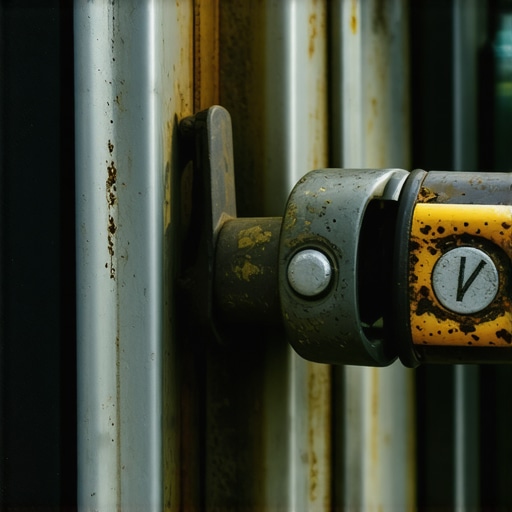
The Resistance of the Operator: When Your Window Won’t Budge
You approach your casement window on a crisp morning, ready to let in some fresh air, but when you go to turn the handle, it feels like it is welded shut. You apply a bit more pressure, and then you hear it: a sickening crunch or a hollow ‘pop.’ This is the reality of a failed window operator, and for someone who has spent over two decades in the glazing industry, it is a sound that tells a story of neglect, poor installation, or thermal stress. A window is not a static object; it is a mechanical system that must contend with gravity, wind pressure, and the relentless expansion and contraction of building materials. When that crank refuses to turn, it is rarely just a ‘broken handle.’ It is usually a symptom of a deeper systemic failure within the rough opening.
I once sat across from a homeowner who had been told by a high-volume replacement firm that their new vinyl casements were completely maintenance-free. Six years later, the homeowner was staring at a living room window that was stuck three inches open, unable to close against a coming thunderstorm. The operator arm had snapped because the gears were bone dry and the sash had sagged nearly a quarter-inch due to improper shimming during the initial install. I had to explain that ‘maintenance-free’ is a marketing lie. Everything that moves needs lubrication, and every hole in your wall needs to be managed for structural integrity. If your window crank is fighting you, it is time to stop turning and start diagnosing the physics at play.
“Installation is just as critical as the window performance itself. A high-performance window installed poorly will fail, particularly regarding the mechanical operation and long-term air infiltration resistance.” – AAMA Installation Masters Guide
The Anatomy of the Casement Crank System
To understand why your window repair is necessary, you must understand the components of the operability chain. The handle connects to the operator housing, which contains a worm gear. This gear drives a larger gear attached to one or two arms. These arms push the sash, which is the moving part of the window, outward. The sash is supported by hinges at the top and bottom (or sides) that slide along a track. When you feel resistance, you are likely feeling friction at the hinges, a binding of the sash against the jamb, or a failure within the gear housing itself. In colder climates, such as the northern United States or Canada, the issues are often exacerbated by the coefficient of thermal expansion. Vinyl frames, for instance, have a high rate of expansion and contraction compared to the glass they hold. In extreme cold, the frame may contract more than the sash, causing the weatherstripping to pinch and create a ‘stuck’ sensation that no amount of cranking will solve without causing damage.
The Physics of the Rough Opening and Alignment
One of the most common reasons a crank refuses to turn is that the window is no longer square. When we talk about a window installation, we focus heavily on the rough opening. If the installer did not use proper shims to ensure the frame is perfectly plumb, level, and square, the weight of the sash will eventually cause it to sag. A casement sash is essentially a heavy door hung on a side-load hinge. If that hinge is even two degrees out of alignment, the sash will drag on the sill or the strike plate of the locking mechanism. This dragging creates massive resistance for the operator. Instead of smoothly pushing the sash, the operator is now trying to lift the entire weight of the glass and frame as it moves. This is why we insist on a sill pan that is perfectly level. If the sill pan is sloped incorrectly or if the shims have compressed, the entire geometry of the opening is compromised.
Corrosion and the Role of the Window Cleaner
We often think of a window cleaner as someone who only cares about the clarity of the glass, but a professional cleaner is your first line of defense against mechanical failure. During a thorough cleaning, the tracks and hinges should be cleared of debris, salt spray (in coastal areas), and grit. When dust accumulates in the hinge track, it acts like sandpaper, grinding down the stainless steel or nylon shoes that allow the sash to move. Eventually, this friction becomes too much for the zinc-diecast gears in the operator to handle. I have seen countless cases where a simple application of a dry-film lubricant could have prevented a five-hundred-dollar repair. Unlike oil or grease, which can attract dirt and create a grinding paste, a dry silicone or Teflon spray provides the necessary slip without the mess. You must inspect the weep hole at the bottom of the frame as well. If the weep hole is clogged, water will back up into the track, submerging the bottom hinge and the operator base, leading to rapid oxidation and seized components.
Identifying the ‘Stripped Spline’ Syndrome
If you turn the crank and the handle spins freely without moving the window, you are likely dealing with stripped splines. The splines are the little teeth on the shaft of the operator that the handle grips onto. Because most handles are made of a softer metal than the operator shaft to prevent permanent damage to the machine, the handle teeth are usually the first to go. However, if the operator has been forced repeatedly against a stuck sash, the internal worm gear can also fail. This is the ‘caulk-and-walk’ installer’s nightmare: a window that is technically installed but functionally dead. Replacing the operator requires removing the glazing bead in some cases to access the mounting screws, or more commonly, removing the internal trim or ‘stool’ of the window. It is a technical process that involves disconnecting the sash bracket and ensuring the new operator is perfectly aligned with the existing mounting holes.
“Standard practice for installation of exterior windows, doors, and skylights requires that the fenestration product be installed in a manner that allows for the proper operation of all moving parts without binding or excessive force.” – ASTM E2112
The Cold Weather Crisis: U-Factor and Condensation
In Minneapolis or Chicago, a stuck window in winter is often a condensation issue. If your windows have a high U-factor (meaning they are poor insulators), the interior surface of the glass and the metal spacer will get cold enough to reach the dew point of the indoor air. This leads to condensation that runs down the glass and pools at the bottom glazing bead. If that water freezes, it effectively glues the sash to the frame. When the homeowner tries to crank the window open, they aren’t just fighting the gears; they are fighting an ice bond. This is why we advocate for triple-pane units with warm-edge spacers and Low-E coatings on Surface #3 to keep the interior glass temperature above the dew point. If you find yourself in this situation, do not force the crank. Use a hair dryer to gently warm the perimeter of the sash before attempting to operate the hardware.
When to Repair and When to Replace Windows
Is it worth it to repair a 20-year-old window with a seized crank? The answer depends on the frame material. If you have high-quality wood sashes or fiberglass frames, the structural integrity is likely still there, making a hardware replacement a smart investment. Fiberglass, in particular, is incredibly stable and won’t warp or twist like vinyl. However, if you have old vinyl windows where the corners are cracking and the sashes are bowed, you are throwing good money after bad. Replacing windows with modern, high-performance units can improve your home’s thermal envelope, but only if the installation includes a full-frame tear-out. Avoid ‘pocket’ replacements that leave the old, potentially rotted frame in place. A new window is only as good as the flashing tape and sill pan that protect it from the elements. If you see water stains on your drywall, the crank issue is the least of your problems; you have a flashing failure that requires immediate professional intervention.
Maintenance Routine for Long-Term Operability
To keep your windows functioning for decades, follow a strict maintenance schedule. Twice a year, open every operable window fully. Use a vacuum with a brush attachment to remove all debris from the tracks. Wipe down the stainless steel hinge tracks with a damp cloth and then apply a dry lubricant. Inspect the muntins and the glazing bead for any signs of loosening, as these can snag on the frame during operation. Check the weatherstripping for ‘memory loss’ or brittleness; if it’s no longer pliable, it will create more resistance for the sash. Finally, ensure that your window cleaner is not using harsh chemicals on the hardware, as these can strip the protective coatings from the gears and lead to premature rust. A window is a precision instrument, treat it with the same respect you would a fine piece of machinery.