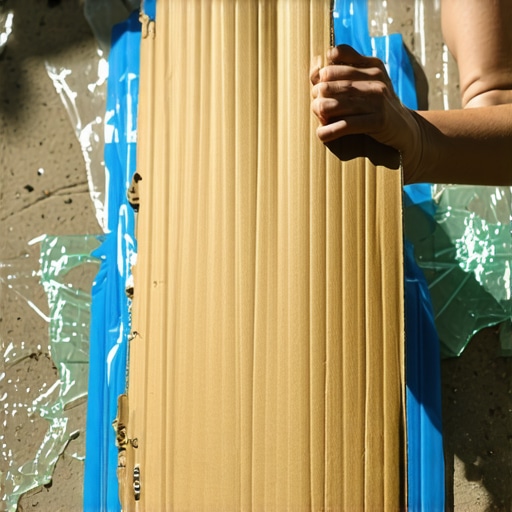
When a baseball meets a double-pane IGU or a thermal stress crack finally yields to the pressure of a frigid January night, the immediate reaction is panic. Most homeowners reach for the nearest roll of silver tape and a moving box, but as a master glazier with a quarter-century in the trenches, I can tell you that there is a science to this temporary triage. A window is a sophisticated thermal envelope component, not just a transparent pane. When that glass fails, you are no longer just dealing with a visibility issue; you are managing a breach in your home’s pressurized environment. I have seen countless DIY attempts that ended up causing more damage to the wood sash or the vinyl frame than the original break itself. This is about more than just stopping a draft; it is about protecting the rough opening and ensuring that your eventual window repair does not turn into a full-frame replacement due to moisture intrusion.
The Condensation Crisis: A Master Glazier’s Perspective
A homeowner called me in a panic last winter because their ’emergency’ fix was causing their walls to weep. They had a shattered lower sash in their kitchen and had taped up a heavy-duty plastic sheet. I walked in with my hygrometer and showed them that the humidity near the breach was spiking at 65 percent. It was not just the cold air coming in; it was their own household moisture hitting that cold plastic and running down behind the stool and apron, straight into the wall cavity. This is why a ‘caulk and walk’ mentality fails. You have to understand the dew point. When you apply a cardboard shield, you are creating a temporary thermal break, but if you do not seal the edges against air infiltration, you are essentially inviting rot to settle into your header and jack studs. The previous installer on this specific home had relied on the nailing fin alone without proper flashing tape, and the broken window just accelerated an existing problem. Proper stabilization requires an understanding of how air moves through a compromised glazing bead.
“Installation is just as critical as the window performance itself. A high-performance window installed poorly will fail.” – AAMA Installation Masters Guide
The Physics of the Temporary Shield
Why cardboard and duct tape? In the trade, we call this ‘boarding up lite,’ but the physics are real. Corrugated cardboard contains trapped air pockets, which, while not as efficient as an Argon-filled IGU, provides a rudimentary R-value. When you have a broken pane, the vacuum or gas fill is gone. The U-factor, which measures the rate of heat loss, skyrockets. If you are in a cold climate like Chicago or Minneapolis, heat loss is your primary enemy. You are trying to prevent the interior heat from escaping via long-wave infrared radiation. A single layer of cardboard is an opaque barrier that stops that radiant transfer better than a thin sheet of polyethylene. However, the duct tape is your weakest link. Standard adhesive can leave a residue that ruins the finish on a wood sash or pulls the paint off a muntin. In the industry, we prefer using a low-tack flashing tape if available, or even a painters tape base layer before the heavy-duty stuff goes on. You must ensure the tape covers the entire perimeter of the break to stop the ‘chimney effect’ where warm air escapes through the top of the crack while drawing cold air in through the bottom.
The Installation Autopsy: Why Windows Fail
When we look at window repair, we are often performing an autopsy on the original installation. Most glass breaks are not accidental; they are the result of thermal stress. This happens when there is a significant temperature differential between the center of the glass and the edge tucked into the glazing bead. If your windows were installed without proper shims, the frame can twist as the house settles, putting literal tons of pressure on the corners of the glass. When you are applying your cardboard shield, pay attention to the frame. Is the sash still operable? If the frame is bowed, no amount of window cleaner or new glass will fix the underlying issue. You might need to replace windows entirely if the structural integrity of the frame has been compromised by years of undetected water infiltration. Water management is a science, and the shingle principle applies even to your temporary duct tape fix. Always start your taping at the bottom and work your way up, overlapping each layer like a roof shingle so that any rain or melting snow flows over the tape rather than under it and into the house.
“The window assembly shall be installed in accordance with the manufacturer’s instructions and shall be flashed to shed water to the exterior.” – ASTM E2112 Standard Practice
Technical Stabilization: Step-by-Step
First, clear the area. If the glass is still in the sash, use a heavy-duty tape to create an ‘X’ across the break. This stabilizes the shards and prevents them from falling while you work. Wear cut-resistant gloves; I have seen more stitches from ‘safe’ glass than from shattered shards. Next, measure the opening from the inside of the glazing beads. Cut your cardboard to fit exactly within that space. If you are in a high-wind area, you may need to double the thickness. Apply the cardboard and secure it with tape, ensuring you are hitting the frame substrate and not just the glass. This is crucial for stopping air infiltration. If you are dealing with a double-pane unit, do not try to remove the remaining glass yourself unless you are familiar with how to pop the glazing bead without snapping it. Many modern vinyl windows use a snap-in bead that is notoriously difficult to remove without the right pry tool. Leave the deep work for the professional window repair technician who will arrive with the correct IGU measurements.
When to Repair vs. When to Replace Windows
Homeowners often ask if a broken pane is a sign they should replace windows throughout the house. The answer lies in the NFRC label data and the age of the units. If you have clear glass without a Low-E coating, you are already losing a fortune in energy costs. In northern climates, we look for a low U-factor, typically below 0.30. If your current windows are cold to the touch even when the glass is intact, the spacers between the panes are likely old-school aluminum, which acts as a thermal bridge. Modern warm-edge spacers use stainless steel or structural foam to prevent that cold transfer. If you are going to invest in a window repair for an aged unit, you might be throwing good money after bad. A full-frame replacement allows us to inspect the sill pan and ensure the flashing tape is integrated with the house wrap. If your temporary shield reveals rot in the rough opening, your choice has been made for you. No amount of window cleaner will make a rotting frame look or perform like new.
The Long-Term Outlook
Once your cardboard shield is in place, do not wait. The adhesive on duct tape will bake onto your frames in the sun, making it nearly impossible to remove without damaging the surface. Contact a specialist who understands the difference between a simple glass swap and a sash replacement. Remember, a window is not just a view; it is a complex barrier against the elements. Whether you are dealing with a minor crack or a total blowout, treating the repair with the same technical precision as the original installation is the only way to maintain the comfort and efficiency of your home. Focus on the numbers, the physics of the seal, and the integrity of the frame. Don’t buy the hype of the high-pressure salesman; buy the performance verified by the NFRC and the expertise of a master glazier.