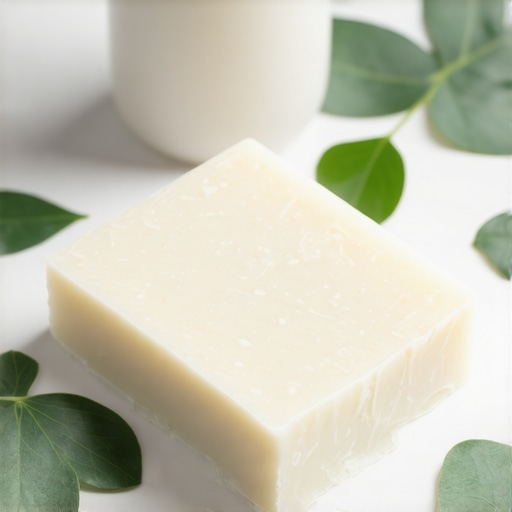
After twenty-five years in the field of fenestration, I have seen more window systems fail due to chemical neglect than mechanical wear. Most homeowners think a window is a static piece of glass, but as a glazier, I see it as a high-performance thermal engine. When you choose a window cleaner, you are not just choosing a scent or a price point; you are choosing the chemical environment for your sash, your glazing bead, and your primary seals. The shift toward bio-degradable soap in home maintenance is not merely a trend for the environmentally conscious; it is a technical necessity for anyone looking to avoid a premature window repair or the massive expense to replace windows. I once walked into a home where a homeowner called me in a panic because their new windows were sweating. I walked in with my hygrometer and showed them the humidity was 60 percent. It was not the windows; it was their lifestyle and their choice of cleaning products. They had been using a heavy, ammonia-based solvent that left a surfactant film so thick it was actually attracting moisture and creating an artificial dew point on the interior glass surface. This residue was not just a cosmetic issue; it was slowly etching the glass and threatening the integrity of the insulated glass unit seal. To understand why bio-degradable soap is the future, we have to look at the chemistry of the window itself. Modern windows, especially in northern climates where the U-Factor is the primary metric of success, rely on sophisticated Low-E coatings. In a cold climate like Chicago or Minneapolis, we typically see that Low-E coating on Surface 3 to reflect heat back into the room. If your window cleaner contains harsh solvents, you risk microscopic degradation of the glass surface over time. Bio-degradable soaps utilize plant-based surfactants that are non-ionic. Unlike synthetic detergents, these do not carry a charge that aggressively reacts with the metallic oxides in your glass coatings. When we talk about the longevity of an operable window, we must consider the weep hole system. Every professional glazier knows that water management is the soul of window design. A window is essentially a controlled leak. Water enters the glazing pocket and must be directed out through the weep holes in the frame. Traditional high-sudsing detergents create a viscous scum that can clog these tiny drainage paths. Once a weep hole is blocked, water backs up into the sash, reaches the shim, and eventually infiltrates the rough opening. This is how a simple cleaning routine leads to a full-scale window repair for rot.
“The selection of cleaning agents for architectural glass must consider the potential for chemical attack on the glass surface, the perimeter sealants, and the framing members.” AAMA 609 & 610-15
The science of a bio-degradable solution lies in its specific gravity and its ability to suspend particulates without leaving a refractive film. When you use a neutral-pH bio-soap, you are protecting the glazing bead, that small strip of vinyl or wood that holds the glass in place. Harsh chemicals can cause these beads to become brittle and crack, allowing air and water to bypass the primary seal. We also have to discuss the Solar Heat Gain Coefficient.
“Accumulated dirt and residue on high-performance glass can alter the solar heat gain coefficient (SHGC) and visible transmittance (VT) of the glazing system over time.” NFRC Glass Performance Handbook
If you are in a northern climate, you want as much passive solar heat as possible during the winter months. A film of synthetic soap residue can actually reduce your visible transmittance, making your home darker and colder. Bio-degradable cleaners rinse away completely, ensuring that your glass remains as transparent to infrared radiation as the day it left the factory. For those considering when to replace windows, I always tell them to look at their maintenance history first. If you have been using caustic cleaners, your seals are likely compromised. The polyisobutylene used in the primary seal of most IGUs is sensitive to petroleum-based solvents found in many traditional glass cleaners. A bio-degradable soap, however, is inert to these sealants. It maintains the flexibility of the sash and the weatherstripping. Furthermore, consider the sill pan. If you are cleaning your windows and that soap is running down into the flashing tape and the sill pan at the bottom of the rough opening, you want a substance that won’t break down the adhesives used in your moisture barrier. Bio-degradable soaps are formulated to break down in the soil, not to break down the structural components of your house. In twenty-five years, I have seen thousands of sash failures. Most could have been prevented with a simple squeegee and a bucket of pH-neutral, plant-based soap. It is about protecting the investment of the glass, the muntin, and the frame. Don’t buy the marketing hype of the big chemical brands; buy the numbers that support the longevity of your fenestration system. The future of home maintenance is about compatibility, not just cleanliness. Using the right soap is the first step in ensuring you never have to call me for an emergency window repair because your frames are rotting from the inside out due to a clogged drainage system. Stay away from the ammonia, keep your weep holes clear, and treat your windows like the precision instruments they are.