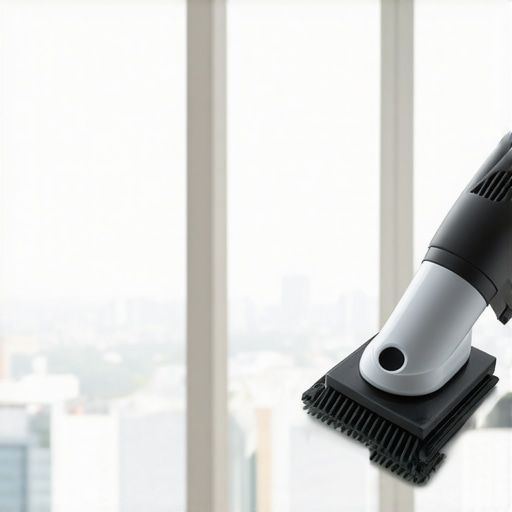
High-rise glazing is a distinct discipline within the fenestration world, far removed from the standard residential light-frame construction found in the suburbs. When you are suspended forty stories above the pavement, a window is not just a view; it is a structural component engineered to withstand massive wind loads and intense solar radiation. As a master glazier, I have spent decades analyzing the performance of Insulated Glass Units (IGUs) in these environments. One of the most frequent calls I receive from tenants involves perceived glass failure. A homeowner once called me in a panic because their new windows were ‘sweating’ and looked permanently foggy. I walked in with my hygrometer and a high-intensity lamp to show them the humidity was 60% and the ‘fog’ was actually a layer of urban particulate matter bonded to the exterior surface. It wasn’t the windows; it was a lack of accessible maintenance. This is precisely why we recommend magnetic cleaners for high-rise apartments.
The Physics of High-Rise Glazing and the Maintenance Gap
In a high-rise setting, the glass is typically a high-performance IGU with a Low-E coating on Surface #2. This positioning is critical for managing the Solar Heat Gain Coefficient (SHGC). By reflecting short-wave infrared radiation before it passes through the argon-filled airspace, we keep the interior cooling loads manageable. However, when the exterior surface of the glass accumulates a film of soot, salts, and pollutants, it creates a micro-environment that can lead to glass etching or seal degradation if moisture is trapped against the glazing bead for too long.
“Installation is just as critical as the window performance itself. A high-performance window installed poorly will fail.” – AAMA Installation Masters Guide
The challenge is that many high-rise units feature fixed lites or restricted-opening sashes for safety. You cannot simply step outside to scrub the glass. When tenants try to force an operable sash beyond its limit, they risk damaging the hardware or misaligning the shim blocks, which leads to air infiltration. Magnetic cleaners solve this by using high-strength rare-earth magnets to synchronize an internal and external cleaning head. This allows for the regular removal of corrosive pollutants without compromising the structural integrity of the window frame or the safety of the occupant.
Why You Cannot Simply Replace Windows in a Skyscraper
When a tenant asks about a window repair or wants to replace windows because they look ‘worn,’ they often don’t realize the complexity involved. High-rise windows are often part of a curtain wall or ribbon window system. You don’t just pop them out of a rough opening like a wood-framed house. The glass is held in place by heavy-duty gaskets and pressure plates. If the exterior glass surface is allowed to degrade due to lack of cleaning, the cost of specialized scaffolding or a swing stage for a window cleaner or a repair crew can run into the thousands. By using a magnetic cleaner, you are essentially performing preventative maintenance on the glass itself, preventing the need for a premature window repair caused by environmental etching.
Understanding the NFRC Ratings in an Urban Context
The National Fenestration Rating Council (NFRC) provides the data we use to select the right glass. In most modern apartments, the U-Factor is optimized for the specific climate. For northern high-rises, we look for a low U-Factor to prevent heat loss, whereas southern exposures demand a low SHGC. Regardless of the rating, the Visible Transmittance (VT) is what the tenant cares about most. Grime on the exterior glass significantly reduces VT, making a high-end apartment feel like a basement. This is where the technical advantage of the magnetic cleaner becomes apparent. It allows for the maintenance of the VT without requiring a professional crew to drop from the roof. Unlike a standard squeegee, a quality magnetic cleaner is designed to navigate the corners of the sash without catching on the glazing bead, ensuring that the weep hole remains unobstructed by debris or runoff.
“Proper maintenance of the fenestration system is essential to ensuring the long-term performance and durability of the building envelope.” – ASTM E2112 Standard Practice
The Technical Mechanics of Magnetic Cleaning
When selecting a magnetic cleaner, the glazier’s concern is the IGU thickness. High-rise glass is often 1-inch thick or more to handle the wind pressure. A weak magnet will fail, dropping the exterior component forty floors. We look for devices with adjustable magnetic tension to accommodate different glass thicknesses. This prevents ‘glass crush’ where the magnets are so strong they put undue stress on the glass surface, potentially scratching a soft-coat Low-E if it were on Surface #1 (though that is rare in high-rises). By maintaining a clean exterior, you also reduce the risk of thermal stress cracks. If a portion of the glass is heavily soiled while another is clean, the temperature differential across the pane can exceed the glass’s tolerance, leading to an expensive window repair. Keeping the glass uniformly clean through the use of magnetic tools is not just about aesthetics; it is about protecting the structural investment of the building’s skin.