The Disaster on the Sill
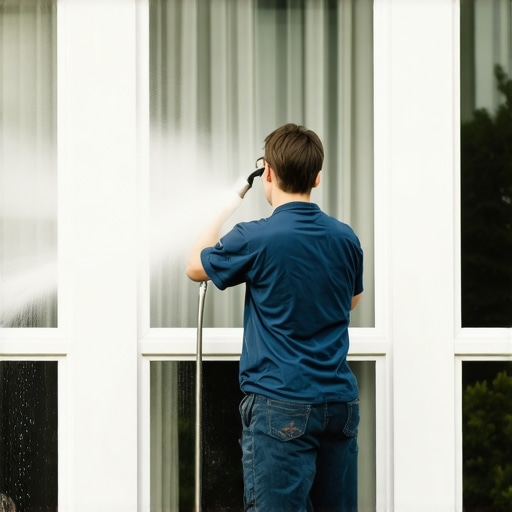
The sound of a gas-powered pressure washer is often the prelude to a very expensive mistake. In my twenty-five years as a master glazier, I have seen every imaginable window failure, but few are as avoidable as the damage caused by high-pressure water. A homeowner recently called me in a panic because their relatively new double-pane windows were sweating on the inside. I walked in with my hygrometer and a thermal imaging camera, not to check their lifestyle as I usually do, but to find the entry point. A local exterior cleaner had used a 3000 PSI wand to blast the siding, and in doing so, they had effectively injected water into the very heart of the window assembly. This is not a simple cleaning issue; it is a mechanical breach of the glazing system. When you hit a window with that kind of force, you are not just removing dirt; you are challenging the structural integrity of the seals designed to keep your home dry and thermally efficient. The damage is often invisible until the first cold snap or the first humid morning, when the fog between the glass becomes a permanent resident.
“Installation is just as critical as the window performance itself. A high-performance window installed poorly will fail, and improper maintenance can be just as detrimental as a bad install.” – AAMA Installation Masters Guide
The Mechanics of a Blown Seal
To understand why pressure washing is a death sentence for modern glass, we must look at the Insulated Glass Unit (IGU). An IGU is not just two pieces of glass. It is a precision-engineered sandwich. Between the panes sits a spacer, often made of foam or metal, which contains a desiccant to absorb any trace amounts of moisture. This entire assembly is sealed with a primary seal of polyisobutylene and a secondary seal of silicone or polysulfide. These materials are designed to withstand wind loads and thermal expansion, but they are absolutely not designed to withstand a concentrated jet of water at thousands of pounds per square inch. When that wand passes over the glazing bead, the pressure forces the water behind the vinyl or wood stop. Once water is trapped there, it exerts hydrostatic pressure against the seal. It only takes one microscopic breach for the argon gas to escape and for moisture-laden air to take its place. This is where window repair becomes impossible and a full replace windows project becomes your only option. Once the desiccant is saturated, the window is technically dead. The Solar Heat Gain Coefficient (SHGC) is compromised, and the insulating value drops significantly.
The Vulnerability of the Weep Hole System
Every operable sash is part of a larger water management system. If you look at the bottom of your window frame, you will see small slots known as weep holes. These are designed to allow incidental moisture—like a light rain hitting the glass—to drain out of the frame and away from the rough opening. However, these holes are gravity-based. When a window cleaner or homeowner uses a pressure washer, they often spray from the bottom up or at an angle that forces water into the weep holes at high velocity. This backs up the internal drainage system, flooding the sill pan and potentially soaking the shim blocks and the flashing tape behind the wall. In my experience, this leads to the dreaded rot repair. I have pulled out units where the muntin bars were still pristine but the wood framing underneath was a black, pulpy mess because water was forced into the wall cavity through the very holes meant to drain it. In the South, where heat and humidity are constant, this trapped water becomes a breeding ground for mold, further degrading the thermal break in aluminum frames and causing wood components to swell and seize.
“The performance rating of a window is only valid if the perimeter seals and the IGU integrity remain uncompromised throughout its service life.” – NFRC Performance Standards
The Chemistry of Glass Surface Damage
In hot climates like Texas or Florida, the glass surface is often treated with a Low-E (Low-Emissivity) coating. Usually, this is on Surface #2, the inner face of the outer pane. However, the exterior surface also has a delicate chemical balance. High-pressure water, especially when sourced from a well or mixed with harsh cleaning chemicals, can cause etching or mineral deposits that are nearly impossible to remove without professional window cleaner intervention. Moreover, the force of the water can drive grit and abrasive particulates across the glass, creating micro-scratches that weaken the tempered tension of the pane. If you have a thermally broken frame, the pressure can also dislodge the gaskets that separate the interior and exterior metal, leading to a massive increase in heat transfer. You want to block the sun’s heat, not invite it in through a compromised frame. If you are in a coastal zone, the pressure can force salt spray deep into the hardware, leading to rapid corrosion of the stainless steel components that an operable window needs to function. Instead of a clean window, you end up with a window that no longer opens and a view obscured by calcium deposits.
A Professional Guide to Safe Window Maintenance
If you want to maintain your warranty and your sanity, you must put down the power washer. The correct method for cleaning is the same one used by high-rise glaziers for decades: the soft wash and squeegee. Start by rinsing the window with a low-pressure garden hose to remove loose debris. Use a microfiber strip washer and a solution of mild dish soap and water. This allows you to gently agitate the dirt without stressing the glazing bead. When you squeegee the water off, you are removing the minerals rather than blasting them into the pores of the glass. Finally, use a dry microfiber cloth to clean the sill and ensure no water is sitting in the tracks. This method protects the sash balance and ensures the weep holes remain clear. If you find that your windows are still foggy or difficult to open after a proper cleaning, it is time to stop cleaning and start looking at window repair. Often, a professional glazier can replace just the IGU rather than the whole frame, saving you thousands. But if the frame itself is warped or the rough opening is showing signs of water damage, you are looking at a full-scale replacement. Don’t let a ten-minute power washing session turn into a ten-thousand dollar renovation.
The Glazier’s Final Word
Your windows are the most complex part of your home’s exterior envelope. They are designed to manage the invisible forces of physics: radiant heat, air pressure, and vapor drive. Treating them like a concrete driveway is a recipe for failure. By respecting the engineering of the Insulated Glass Unit and the delicate nature of the sill pan and flashing systems, you ensure that your home remains a sanctuary. Remember, a window’s job is to keep the outside out. When you use high pressure, you are forcing the outside in. Stick to gentle methods, and your glazing will serve you for decades.