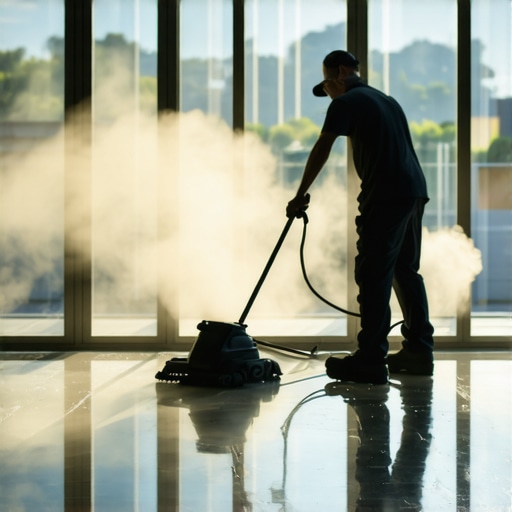
Why Using a Steam Cleaner is the Only Way to Sanitize Window Tracks
In twenty-five years of pulling apart sashes and resetting rough opening tolerances, I have seen more window failures caused by neglect than by manufacturing defects. People treat their windows like a static piece of furniture, but a window is a complex mechanical system. It is a thermal valve in your wall. When that valve gets clogged with organic debris, dust, and microscopic fungal spores, the entire system begins to degrade. I remember a homeowner in Chicago who called me in a panic because their expensive new casements were ‘sweating’ and growing black spots along the bottom rail. I walked in with my hygrometer and showed them the interior humidity was hovering at 60 percent. It was not a window failure; it was a lifestyle and maintenance failure. The tracks were so packed with household dust and pet dander that the weep holes were completely obstructed. This caused water to back up, increasing the local vapor pressure and feeding a colony of mold that was slowly eating the glazing bead. This is why I tell every client that a standard wipe-down is a waste of time. If you are not using a steam cleaner to sanitize your window tracks, you are just moving the dirt around.
The Anatomy of the Sill and the Failure of Traditional Cleaning
To understand why steam is superior, you have to understand the geography of a window sill. Whether you have a vinyl, fiberglass, or wood sash, the track is designed to manage water. In a cold climate like the North, the U-Factor is your primary metric. We want a low U-Factor to keep heat inside, often utilizing triple-pane glass with an Argon fill and a Low-E coating on Surface 3 to reflect long-wave infrared radiation back into the room. However, even the best window will experience some level of condensation at the base of the glass when the exterior temperature drops. This moisture is supposed to run down the glass, into the track, and out through the weep holes. Most people try to clean these tracks with a vacuum and a damp rag. This is a mistake. A rag cannot reach the tight 90-degree angles where the jamb meets the sill. It cannot penetrate the pile weatherstripping without crushing the fibers. Worse, chemical cleaners often leave a surfactant residue that actually attracts more dust. This creates a sticky sludge that eventually hardens into a cement-like barrier over the weep holes. When water cannot escape, it sits against the frame, leading to seal failure or, in the case of wood, rot that starts from the inside out.
“Installation is just as critical as the window performance itself. A high-performance window installed poorly will fail.” AAMA Installation Masters Guide
I apply that same logic to maintenance. A high-performance window maintained poorly will fail just as fast. When I perform a window repair, the first thing I look at is the track. If the track is packed with debris, I know the hardware has been stressed. A dirty track increases the friction on the sash, forcing the operator or the balances to work harder than they were engineered for. This leads to stripped gears and broken cables. Using a steam cleaner avoids these mechanical stresses while achieving a level of sanitization that no chemical can match.
The Physics of Steam vs. Biological Contaminants
Steam cleaning works through the application of pressurized thermal energy. We are talking about dry steam at temperatures exceeding 212 degrees Fahrenheit. At this temperature, the molecular bonds of grease and organic matter are broken almost instantly. In a window track, you are often dealing with Aspergillus or Cladosporium mold. These fungi love the damp, dark environment of a clogged window track. Scrubbing them with a brush often just aerosolizes the spores, spreading them into your living space. Steam, however, provides a dual-action solution. The heat kills the spores on contact by denaturing their proteins, while the pressure of the vapor blast forces the detritus out of the crevices and through the drainage channels. This is ‘Glazing Zooming’ at its most practical. We are not just making it look pretty; we are restoring the functional integrity of the window’s water management system. For those in cold climates, maintaining a clear path for condensation to exit is the only way to prevent the ice damming that occurs when trapped water freezes and expands, potentially cracking the vinyl frame or blowing out the mitered corners.
Understanding the Weep System and Thermal Dynamics
Every operable window has a drainage logic. If you look at the exterior of your window frame, you will see small slots or flaps. These are the weep holes. They are the final exit point for water that has bypassed the primary seals. If you use a traditional window cleaner and a paper towel, you are likely pushing lint and silt into these holes. A steam cleaner, when used correctly with a detail nozzle, acts like a pressure washer for the window’s internal plumbing. It clears the path from the sill pan to the exterior weep. This is critical because a blocked weep system changes the pressure balance of the window. If water backs up, it can reach the level of the secondary seals or the underside of the glazing bead. Once water gets under that bead, it sits against the spacer of the Insulated Glass Unit (IGU). Most modern windows use a warm-edge spacer to reduce thermal bridging and prevent condensation, but those spacers are not designed for prolonged immersion in standing water. Water exposure leads to the desiccant becoming saturated, which eventually results in the dreaded foggy window or seal failure.
“Accumulated debris in the sill track can obstruct the functional performance of the weep system, leading to premature failure of the window assembly.” ASTM E2112 Standard Practice
The Risk of Chemical Damage to High-Tech Coatings
As a specialist, I am often called to evaluate windows where the homeowner used harsh solvents to clean the tracks. This is a disaster for modern window materials. Many high-end windows use specialized coatings or even thin-film laminates on the frames. Ammonia-based cleaners or abrasive powders can etch the surface of the vinyl or degrade the finish on a fiberglass frame. Steam is just water. It is the most neutral cleaning agent available. It does not react with the EPDM gaskets or the silicone sealants that keep your window airtight. When we talk about window cleaner in the professional sense, we are moving away from the blue spray bottle and toward thermal sanitization. This is especially true for windows with intricate muntins or decorative grids. These areas are magnets for dust, and steam allows for a hands-off cleaning approach that preserves the aesthetic finish of the wood or composite material.
How to Steam Clean Like a Master Glazier
If you are going to do this, you need to do it right. Start by vacuuming the heavy loose debris. Then, using a handheld steam cleaner with a concentrated nozzle, work from the top of the jamb down toward the sill. Focus on the corners where the sash sits when closed. These are the primary air-sealing points. You will see the steam melt away the gray grime that has been hiding in the textures of the frame. Use a microfiber cloth to blot up the moisture as it loosens the dirt. Once you reach the track, blast the steam directly into the weep hole entries. You should see a small puff of vapor or a trickle of water emerge from the exterior of the house. This confirms the system is clear. This process does more than just clean; it restores the ‘Rough Opening’ environment to a state of equilibrium. It ensures that the shims and flashing tape behind the frame are not being subjected to unnecessary moisture from the inside. If you do this once a year, you can extend the life of your windows by a decade. You will avoid the need to replace windows prematurely because you have managed the two biggest enemies of the building envelope: water and mold.
Conclusion: The Investment in Maintenance
Replacing windows is a significant capital expense. While many salesmen will tell you that new windows pay for themselves in energy savings, the real ROI is a combination of comfort, air quality, and property preservation. You cannot achieve those goals if your window tracks are a breeding ground for allergens and a dam for water. Steam cleaning is the only method that addresses the technical requirements of the window’s drainage system while protecting the sensitive materials that make up a modern, high-efficiency opening. Don’t be the person who spends thirty thousand dollars on a whole-house window replacement only to let the tracks rot out because of a five-dollar bottle of spray and a rag. Invest in the physics of steam and keep your thermal valves functioning as they were engineered to do.