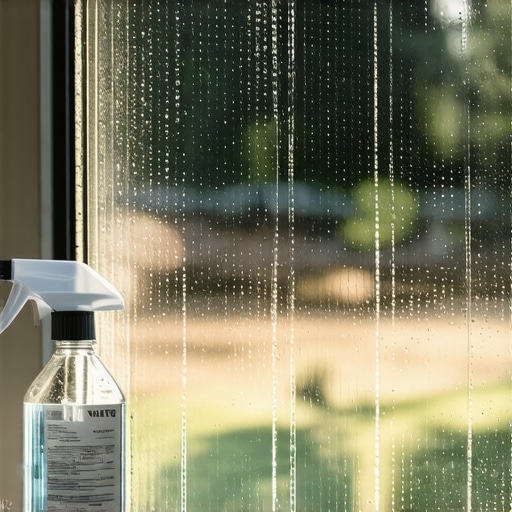
The Science of Optical Clarity in Glazing
As a master glazier with a quarter-century in the field, I have seen every possible failure of the window system. Homeowners often focus on the rough opening or the thickness of the sash, but they overlook the most fundamental element of the window: the optical clarity of the glass itself. When you invest in high-performance fenestration, you are paying for the ability to see through a solid object without distortion or obstruction. However, many people unknowingly degrade their investment during the very act of maintenance. Using tap water to clean high-end glass is a technical mistake that can lead to permanent damage. To understand why, we must look at the microscopic level of the glass surface and the chemistry of the water you are applying to it.
“Installation is just as critical as the window performance itself. A high-performance window installed poorly will fail.” AAMA Installation Masters Guide
This principle extends to maintenance. A high-performance glass unit that is cleaned poorly will eventually fail to provide the visible transmittance it was designed for. In my decades of experience, I have walked into countless homes where the owner thought their windows were failing because of seal failure, only to find that their window cleaner was leaving behind a layer of mineral scale so thick it mimicked the appearance of internal fogging.
The Condensation Crisis and Surface Chemistry
A homeowner called me in a panic because their new windows were ‘sweating’ and the glass looked permanently milky. I walked in with my hygrometer and showed them the humidity was 60 percent. It wasn’t the windows; it was their lifestyle. But more importantly, that condensation was mixing with the residue of previous cleanings. When the water evaporated, it left behind a white, crusty deposit that could not be wiped away. They had been using tap water for years, and the calcium and magnesium in that water had chemically bonded to the silica in the glass. This is why distilled water is the only acceptable medium for a professional-grade shine. Distilled water is ‘hungry’ water. Because it has been stripped of its ions and minerals through the distillation process, it has a high affinity for pulling contaminants off the glass surface and holding them in suspension.
Understanding Glass Porosity
To the naked eye, glass looks like a perfectly smooth, non-porous surface. To a glazier, it is a landscape of microscopic peaks and valleys. When you use tap water, the Total Dissolved Solids (TDS) settle into these valleys. As the water evaporates, these solids precipitate out. Over time, these minerals can undergo a process called glass etching. The minerals create a chemical reaction that actually eats into the silica, creating a permanent haze that no amount of window cleaner can fix. At that point, you are no longer looking at a simple cleaning job; you are looking at a window repair or even a full requirement to replace windows because the optical integrity is gone. Distilled water prevents this by ensuring that when the liquid evaporates, there is literally nothing left behind to settle into the glass pores.
The Physics of Visible Transmittance (VT)
When we look at NFRC (National Fenestration Rating Council) labels, we focus on U-Factor and SHGC, but VT is equally important. VT measures the amount of light that comes through the window. Mineral buildup from tap water can reduce your VT by as much as 10 percent over a decade. In a northern climate like Chicago or Minneapolis, where winter days are short and dark, losing 10 percent of your natural light because of mineral scale is a significant loss of comfort and energy efficiency. By using distilled water, you maintain the original VT rating of your glass. This is especially important for Surface #1 (the exterior) and Surface #4 (the interior) of a dual-pane unit. If you have a Low-E coating on Surface #4 to reflect heat back into the room during a cold winter, a layer of mineral scale can interfere with the thermal performance of that coating.
“The maintenance of the building envelope, including all fenestration products, shall be performed in a manner that preserves the integrity of the weather-resistive barrier.” ASTM E2112 Standard Practice
The Anatomy of the Window System
When you clean a window, you aren’t just touching glass. You are interacting with the glazing bead, the muntins, and the weep holes. Tap water often contains chlorine and other chemicals used for municipal treatment. These chemicals can be aggressive toward the rubber gaskets and the glazing bead that holds the glass in the sash. Over time, these chemicals can cause the gaskets to become brittle and crack. Once the gasket fails, water can penetrate the glazing pocket. If your weep holes are clogged with soap scum and mineral deposits from hard water cleaning, that water will sit in the pocket, leading to seal failure of the Insulated Glass Unit (IGU). I have seen $2,000 mahogany sashes rot from the inside out because the weep holes were blocked by a slurry of tap water minerals and cheap soap.
Why Professionals Avoid the Caulk-and-Walk Method
In the trade, we despise the ‘caulk-and-walk’ installers who hide poor fitment with massive beads of sealant. Similarly, a ‘spray-and-wipe’ cleaner who uses tap water is just hiding dirt under a layer of minerals. A true professional window cleaner uses a solution of distilled water and a tiny amount of surfactant to break the surface tension. This allows the water to get deep into the microscopic texture of the glass and lift the dirt away. Because distilled water has no minerals, it does not leave ‘ghosting’ or streaks. If you are trying to decide whether to replace windows or perform a window repair, start by cleaning them with distilled water. You might find that the ‘failed seal’ was actually just ten years of tap water residue.
Dynamic Climate Considerations
In colder regions, the temperature of the glass can drop significantly. When you clean cold glass with tap water, the water can actually begin to freeze or become more viscous before you can wipe it away, trapping minerals on the surface. In these environments, the U-Factor is king, and keeping that glass surface pristine is essential for managing the dew point. If the glass is dirty, it provides nucleation sites for condensation to form. A clean, distilled-water-washed window is actually less likely to show heavy condensation because the water molecules have a harder time ‘grabbing’ onto a perfectly smooth, mineral-free surface. This is the level of technical detail that separates a homeowner from a master glazier.
Technical Integration of Tools
When performing maintenance, always check your shims and the rough opening for any signs of movement. If you notice that your sash is difficult to operate, no amount of cleaning will help; you need a mechanical adjustment. But if the operation is smooth, focus on the glass. Use a squeegee with a fresh rubber blade and distilled water. Avoid paper towels, which contain binders and adhesives that can leave a film on the glass. Use a microfiber cloth that has been washed without fabric softener. This ensures that the only thing touching your glass is pure H2O and a clean cloth, preserving the glazing bead and the integrity of the sash for decades to come. This isn’t just about aesthetics; it is about protecting the thermal and structural performance of your home’s envelope.