The Hidden Cost of the Messy Painter
I pulled a vinyl window out of a house in Des Moines and the header was completely black with rot. Why? The previous installer relied on the nailing fin instead of proper flashing tape and the homeowner had tried to hide the resulting gaps with thick layers of exterior latex paint. They thought they were sealing the window but they were actually creating a moisture trap. When I see paint splattered across a pane or caked onto a glazing bead, I do not just see an aesthetic mess. I see a potential failure of the entire operable unit. Most people reach for a razor blade when they see paint on glass. That is the first mistake. As someone who has spent two decades staring through soda-lime glass, I can tell you that a blade is a blunt instrument that can leave microscopic scratches or, worse, catch the edge of a muntin and rip the seal. This is where the two dollar bottle of baby oil comes into play.
“Standard practice for installation requires that all surfaces remain free of debris and contaminants that could compromise the sealant bond.” – ASTM E2112
The Science of the Baby Oil Lubricant
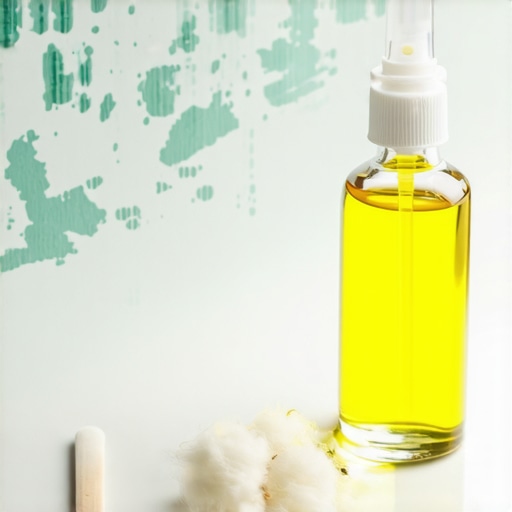
Why baby oil? It is essentially a refined mineral oil. Most modern house paints are acrylic or latex based polymers. When paint dries on a non-porous surface like glass, it forms a mechanical bond. By applying a thin layer of baby oil to the paint splatter, you are utilizing capillary action. The oil seeps behind the paint film, breaking the surface tension without the need for harsh solvents that could degrade the sash material or the flashing tape tucked into the rough opening. If you are dealing with a window repair where the paint has cured for years, the oil softens the brittle edges, allowing the paint to lift off in a single sheet rather than crumbling into dust that clogs your weep hole system.
Climate Logic: Why Surface Integrity Matters in the North
In cold climates like Minneapolis or Chicago, your windows are the primary defense against heat loss. We focus heavily on the U-Factor, which measures the rate of non-solar heat loss. A lower number means better insulation. When you scratch glass with a razor blade or use abrasive chemicals to remove paint, you risk damaging the glass surface. If your windows have a Low-E coating on Surface 4 (the interior side), a scratch is a permanent scar that reduces the thermal efficiency of the unit. We use warm-edge spacers to prevent condensation at the edges, but if your glazing bead is compromised by aggressive cleaning, you are inviting moisture to sit against the shim and sill pan. This leads to the very rot I discovered in that Des Moines project. Pristine glass is not just about the view; it is about maintaining the low-emissivity properties that reflect long-wave infrared radiation back into your living room during a sub-zero January.
“Installation is just as critical as the window performance itself. A high-performance window installed poorly will fail.” – AAMA Installation Masters Guide
The Autopsy of a Poorly Maintained Window
When I perform a window repair, I often find that the operable parts are jammed because of paint overspray. When you paint your sash, you must stay clear of the weatherstripping. If you get paint on the glass and the glazing bead, the baby oil trick is your safest bet to restore movement. Apply the oil with a cotton swab specifically on the paint spots. Let it sit for ten minutes. You will see the paint start to pucker. Use a plastic scraper, not metal, to gently lift the residue. This preserves the soda-lime glass and ensures you do not create a path for air infiltration. If the paint is so thick that it has bridged the gap between the glass and the frame, you are no longer looking at a simple cleaning job; you might be looking at a reason to replace windows entirely if the moisture has already penetrated the rough opening. A window is a system, not just a piece of glass. Every shim, every piece of flashing tape, and every weep hole must work in concert to manage the thermal and moisture loads of your home. Using a cheap window cleaner or a harsh scraper is a short-term fix that leads to long-term failure.
The Mathematical Reality of Window Maintenance
Many homeowners are told that they need to replace windows to save money on energy bills. The truth is that the ROI on new windows can take twenty years. However, the ROI on proper maintenance, like removing paint correctly to ensure the seals remain intact, is immediate. A single scratch or a clogged weep hole can lead to seal failure in an IGU (Insulated Glass Unit). Once that argon or krypton gas escapes, your R-value plummets. By using a gentle lubricant like baby oil, you protect the investment you already have. You ensure that the U-Factor stays where the NFRC label promised it would be. Stop treating your windows like a tapestry and start treating them like the mechanical equipment they are. Precision matters, whether you are setting a sill pan or just cleaning up after a weekend DIY project. If the paint is stubborn, do not get aggressive. Reapply the oil, wait, and remember that the integrity of your thermal envelope depends on the smoothness of that glass surface.