The Friction Problem: Why Your Wood Windows Are Fighting You
As a master glazier with over two decades in the trenches, I have seen homeowners spend thousands on a full replace windows project when a simple understanding of friction and wood science could have saved their existing sashes. A wooden window is a living thing. Unlike a vinyl extrusion or a fiberglass frame, a wood sash responds to the ambient humidity of your home. When the moisture content in the air rises, the cellulose fibers in the wood expand. This is why a window that slides like silk in October might feel like it is glued shut in July. The resistance you feel is not just a nuisance; it is mechanical stress on the joinery of the sash. If you force an operable window that is binding, you risk blowing out the muntin bars or cracking the glazing bead. Before you call a window cleaner or a contractor for a window repair, you need to understand the physics of the track.
“Proper maintenance of fenestration products is essential to ensure long-term performance and to prevent premature failure of the operating hardware and weatherstripping.” ASTM E2112 Standard Practice
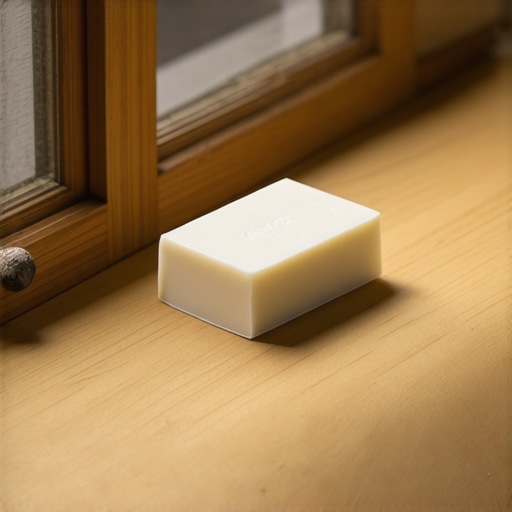
A few years ago, I received a call from a homeowner in a panic because their new windows were ‘sweating.’ I walked in with my hygrometer and showed them the humidity was 60 percent. It wasn’t the windows; it was their lifestyle. They were boiling pasta and running humidifiers without any ventilation. That moisture wasn’t just on the glass; it was soaking into the wood tracks, causing them to swell and bind. This is the Condensation Crisis in action. When wood swells, the tolerance between the sash and the jamb disappears. This is where the $1 bar of soap trick comes in. It is a dry lubricant that reduces the coefficient of friction without the mess of oil or the dust-attraction of grease.
The Science of the $1 Bar of Soap
Why soap? Most people reach for WD-40 or silicone spray. That is a amateur mistake. Liquid lubricants can penetrate the wood fibers and cause even more swelling, or worse, they attract every bit of grit and dust brought in by the wind. Once that dust mixes with oil, you have created an abrasive paste that will sand down your sash until the fit is ruined. A dry bar of paraffin-based soap, however, leaves a thin, waxy film. This film allows the wood surfaces to glide over one another. This is particularly vital in Northern climates where we prioritize the U-Factor. We want our windows sealed tight to prevent heat loss, but that tightness often leads to sticking during the humid summer months when the wood is at its maximum expansion.
How to Apply the Lubricant Correctly
First, you must ensure the Rough Opening hasn’t shifted. If your house has settled, the frame might be out of square, and no amount of soap will fix a structural bind. Assuming the frame is square, start by opening the window as far as it will go. Use a vacuum with a brush attachment to remove all debris from the tracks. This is where a professional window cleaner usually stops, but we are going further. Take a standard bar of dry white soap—nothing with heavy perfumes or lotions—and rub it vigorously along the inside of the tracks. You are looking to transfer a visible layer of the soap onto the wood. Cycle the window up and down several times to distribute the wax. You will feel the Rough Opening tolerances suddenly feel much more forgiving. If the window still sticks, you may need to check the shim placement behind the jamb, as over-shimming can bow the wood inward.
When Soap Isn’t Enough: Identifying Structural Failure
If you have applied the soap and the window still requires a Herculean effort to move, you are looking at a window repair that goes beyond lubrication. Check the Sill Pan for signs of standing water. In many older homes, the Weep Hole system becomes clogged, forcing water back into the wooden track. This constant saturation leads to rot. I have seen Sash bottoms that looked fine on the outside but were like wet cardboard on the inside because the Flashing Tape was missing from the original installation. In these cases, you must evaluate the ROI of a repair versus a full replacement. For homes in the North, look for a replacement with a low U-Factor and warm-edge spacers. These features keep the interior glass surface warmer, reducing the condensation that causes wood to swell in the first place.
“Installation is just as critical as the window performance itself. A high-performance window installed poorly will fail.” AAMA Installation Masters Guide
The Physics of Thermal Bridging in Wood Frames
Wood is a natural insulator, which is why we love it in cold climates. However, the glazing itself is the weak point. If you have single-pane wood windows, the glass is a thermal bridge. The cold air outside cools the glass, the glass cools the air inside, and the moisture in your home’s air condenses on that cold surface. That water then runs down into the wood track. This is why the $1 soap trick is a temporary fix for a systemic problem. To truly fix the sticking, you need to manage the dew point. By upgrading to a double or triple-pane unit with a Low-E coating on Surface #3, you reflect long-wave infrared radiation back into the room. This keeps the glass temperature above the dew point, prevents condensation, and keeps your wood tracks dry and stable. This is the kind of technical precision that separates a master glazier from a salesman who just wants to replace windows with the cheapest vinyl available. Vinyl expands and contracts at a rate seven times higher than wood, which brings its own set of sticking problems in extreme temperatures.
Final Maintenance Protocol
Every spring and fall, you should inspect your operable units. Clean the tracks, check the flashing, and re-apply your dry lubricant. If you see daylight around the edges, don’t just ‘caulk and walk.’ Investigate the Sill Pan and the weatherstripping. A window is a complex system designed to manage energy and moisture. Treat it with the technical respect it deserves, and that $1 bar of soap will be the most valuable tool in your maintenance kit.