The Forgotten Mechanical System: Why Your Window Tracks Are Failing
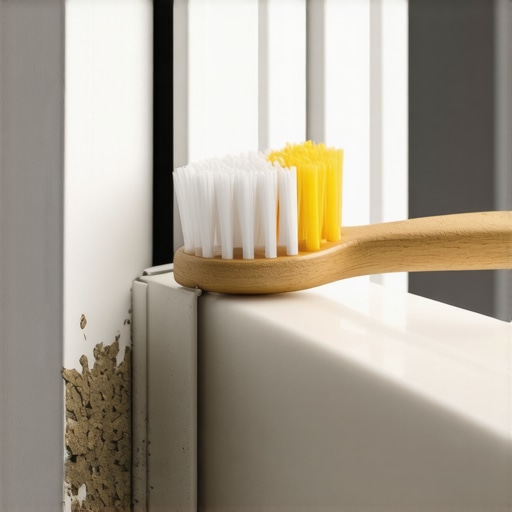
I have spent over twenty-five years looking at apertures in walls. To most people, a window is a piece of glass you look through, but to a master glazier, it is a complex mechanical system designed to manage air pressure, moisture, and thermal transfer. When a homeowner calls me for a window repair or asks about the cost to replace windows, the conversation usually starts with a leak or a draft. Frequently, the culprit isn’t a failed seal or a cracked glazing bead; it is a neglected track. I have seen multi-thousand dollar fiberglass units rendered useless because a handful of grit prevented the sash from seating against the weatherstripping. This is where the humble toothbrush becomes more important than a professional-grade vacuum.
“Installation is just as critical as the window performance itself. A high-performance window installed poorly will fail.” – AAMA Installation Masters Guide
The Condensation Crisis: A Narrative of Neglect
I recall a specific call-out in a high-rise downtown. The homeowner was in a full-blown panic because their brand-new, double-pane vinyl units were ‘sweating’ and water was pooling on the sill. They were convinced the units were defective. I walked in with my hygrometer and a simple flashlight. I didn’t find a manufacturing defect. I found that the humidity in the unit was 62 percent and the weep holes in the bottom track were completely plugged with pet hair and construction dust. The windows weren’t leaking from the outside; they were unable to drain the internal condensation because the drainage path was blocked. I took a stiff-bristled toothbrush, cleared the debris from the track corners, and the water began to exit through the weep holes immediately. It wasn’t a window failure; it was a maintenance failure. This is why understanding the geometry of your window track is vital for any window cleaner or homeowner.
The Physics of the Track Corner
Why a toothbrush? To understand this, we have to look at the ‘Rough Opening’ and how an operable sash interacts with the frame. Modern windows, especially in Northern climates where the U-Factor is the primary metric of success, rely on a tight seal between the sash and the weatherstripping. Dirt is an abrasive. When it accumulates in the corners, it acts like sandpaper on the bulb seals. A standard vacuum attachment is round and cannot reach the 90-degree intersection of the horizontal track and the vertical jamb. This is where the most critical ‘Glazing Bead’ and drainage components live. The bristles of a toothbrush are engineered to provide mechanical agitation without damaging the delicate finish of the vinyl or the powder-coated aluminum frame. By scrubbing the corners, you ensure that the sash can fully compress the weatherstripping, maintaining the thermal integrity of the unit.
Weep Holes and Hydrostatic Pressure
Every operable window is designed with a drainage system. If you look at the exterior of your window frame, you will see small slots known as weep holes. These are not mistakes; they are the exit points for water that bypasses the primary seals. Inside the track, there are corresponding inlets. If these inlets, located in the tight corners of the track, become clogged, water backs up. In a heavy rainstorm, this creates hydrostatic pressure. Eventually, the water finds the path of least resistance, which is usually over the interior leg of the track and onto your drywall. This leads to rot in the framing and the eventual need to replace windows entirely. A window cleaner who ignores the tracks is only doing half the job. You must clear the corners to allow the ‘Shingle Principle’ of water management to function.
“Water penetration resistance is dependent upon the integrity of the drainage path from the glazing pocket to the exterior.” – ASTM E2112 Standard Practice
Frame Material Science and Maintenance
The material of your frame dictates how you handle maintenance. Vinyl windows have a high coefficient of thermal expansion. They move. This movement can trap dirt in the corners even more tightly. Fiberglass is more stable, but its corners are often joined with sealants that can trap grit. Wood windows with a sash and muntin configuration are the most susceptible to rot if the track corners hold moisture. When performing a window repair, I often find that the ‘Sill Pan’ was never installed, meaning any water that sits in a dirty track is eventually going to hit the subfloor. Using a toothbrush to maintain these areas is a preventative measure that saves thousands of dollars in structural repairs. It allows you to clean around the ‘Shim’ points and ensure the ‘Flashing Tape’ isn’t being compromised by standing water.
The Economics of Clean Tracks
We often talk about ROI in the glazing industry. Homeowners want to know if triple-pane glass will lower their utility bills. The truth is, if your tracks are dirty, your ‘Solar Heat Gain’ and ‘U-Factor’ ratings are secondary to the air leakage occurring because your sash won’t close properly. An ‘Operable’ window must be able to operate. If there is a 1/16th-inch gap caused by debris in the corner, you are effectively living with a permanent hole in your wall. The toothbrush is the most cost-effective tool in your maintenance kit to ensure that the investment you made in your home’s envelope remains secure. You don’t need a high-pressure salesman; you need a five-minute maintenance routine that focuses on the mechanical reality of how windows actually work.