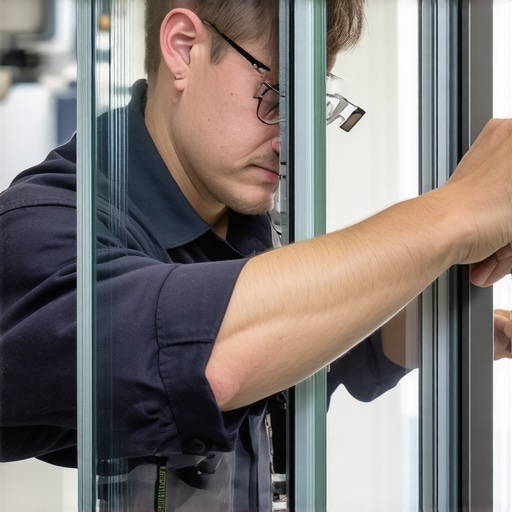
Precision Glazing and the Physics of Metal Frames
In the world of high-performance fenestration, a window is not a static object. It is a dynamic pressure vessel that must withstand wind loads, thermal expansion, and the constant pull of gravity. When we talk about metal frames, particularly thermally broken aluminum, we are dealing with a material that has a high coefficient of thermal expansion. This means the frame grows and shrinks at a different rate than the insulated glass unit (IGU) it contains. Over time, this movement can cause the glass to walk or shift within the glazing pocket. When glass shifts, it creates air gaps, compresses the weatherstripping unevenly, and can even lead to the failure of the primary seal. To address this, we use the suction cup method for re-centering glass, a technical maneuver that requires an understanding of mechanical leverage and atmospheric pressure.
“Installation is just as critical as the window performance itself. A high-performance window installed poorly will fail.” AAMA Installation Masters Guide
A homeowner called me in a panic because their new windows were sweating and making a high-pitched whistling sound during windstorms. I walked in with my hygrometer and a thermal imaging camera. The homeowner assumed the windows were defective or that the window cleaner had damaged the seals. However, the hygrometer showed the indoor humidity was within range, but the thermal camera revealed a massive cold spot in the upper right corner of the sash. I didn’t see a manufacturing defect; I saw a pane of glass that had slid three-eighths of an inch to the left because the setting blocks had shifted. It was not a condensation crisis caused by lifestyle; it was a mechanical shift that needed a master glazier’s touch to correct. By using the suction cup method, we were able to restore the thermal integrity of the unit without a full frame tear-out.
The Anatomy of the Glazing Pocket
Before attempting to replace windows or perform a complex window repair, you must understand what is happening inside the frame. The glass sits in a glazing pocket, supported by setting blocks usually made of EPDM or silicone. These blocks are the unsung heroes of window longevity. They ensure that the glass remains centered, allowing for a consistent bite between the glazing bead and the glass surface. In metal frames, the gap between the glass edge and the metal frame is critical for thermal performance. If the glass touches the metal, it creates a thermal bridge, rapidly transferring heat or cold into the building envelope. This is why the U-Factor, which measures the rate of heat transfer, can spike if the glass is off-center. A lower U-Factor is always the goal in cold climates, but it relies entirely on the glass being perfectly suspended within the frame’s thermal break.
The suction cup method involves using professional-grade vacuum lifters to grip the glass securely while the technician applies lateral or vertical pressure. We aren’t talking about the cheap plastic cups found at a hardware store; we use dual or triple-cup pump-action lifters that can maintain a vacuum for hours. The process begins by removing the glazing bead, which is the strip of metal or vinyl that holds the glass in place. Once the bead is removed, the glazier assesses the position of the setting blocks. If the glass has walked, it usually means the setting block has either compressed or moved away from the corner. Using the suction cups, we can lift the IGU (which can weigh hundreds of pounds) just enough to slide new, high-density shims into place, re-centering the unit within the rough opening tolerances of the frame.
Climate Logic: Solar Heat Gain and Metal Frames
In southern or hot climates like Phoenix or Miami, the enemy is Solar Heat Gain Coefficient (SHGC). Metal frames are notorious for absorbing radiant heat. This is why we prioritize Low-E coatings on Surface #2. By reflecting the sun’s long-wave infrared radiation back outside before it can pass through the glass, we maintain a cooler interior. However, if the glass shifts in its metal frame, the effectiveness of that Low-E coating is compromised at the edges. A shifted pane exposes the spacer bar and the primary seal to direct UV radiation, which can lead to premature desiccant failure. When a window cleaner notices fogging between the panes, it is often too late for a simple re-centering; the seal has already been breached. This is why routine window repair and inspections are vital for aluminum systems.
“Air leakage is often more detrimental to the energy performance of a building than the U-factor of the fenestration products themselves.” NFRC Performance Standards
When we use the suction cup method, we are essentially recalibrating the window’s ability to manage heat. In a cooling-dominated climate, the thermal break in the aluminum frame must align perfectly with the glass spacer. If the glass is not centered, the thermal break is bypassed, and the interior metal of the sash becomes a radiator, pumping heat into the room. This defeats the purpose of buying expensive, high-efficiency windows. The suction cup method allows us to restore that alignment. We use the cups to pull the glass into the correct quadrant of the frame, ensuring that the weep holes are not blocked and that the sash can operate smoothly without dragging on the sill pan.
Technical Execution of the Re-Centering Process
The first step in a professional window repair involving glass shifting is the cleaning of the glass surface. Any debris or oils will cause the suction cups to lose their grip, which is a significant safety hazard. A master glazier uses a specific window cleaner that leaves zero residue. Once the surface is prepped, the suction cups are applied. For a large picture window, we might use four technicians, each with a double-cup lifter. We apply a vacuum pressure of at least 15 inches of mercury. With the glazing beads removed, we use a glazing bar to gently pry the glass away from the frame while the suction cups provide the main lifting force. This is where the trade cant comes in: we are looking for the sweet spot where the glass is perfectly plumb and level within the sash.
We then inspect the sill pan and the weep holes. If the glass has shifted downward, it may be obstructing the weep holes, which are designed to allow water to exit the glazing pocket. If water cannot escape, it will sit against the primary seal of the IGU, leading to a total failure of the unit. We replace the old setting blocks with new ones, ensuring they are placed at the quarter points or as specified by the manufacturer to distribute the weight of the glass evenly. This prevents the sash from sagging, a common issue in large operable windows. By the time we re-install the glazing bead and apply a fresh bead of silicone, the window is back to its original factory specifications, often performing better than it did upon initial installation due to the increased precision of the re-centering.
Long-Term Maintenance and ROI
Many homeowners think they need to replace windows when they feel a draft or see condensation. However, a technical repair like the suction cup method can extend the life of a window system for decades. The ROI of a repair versus a full replacement is significant. While a full-frame replacement can cost thousands, a professional re-centering and reseal are a fraction of that cost. The key is catching the shift early. This is where a trained window cleaner becomes an asset; they are often the only ones looking closely at the top of the frames where the gaps first appear. If you see a gap in the glazing bead or notice the sash is hitting the frame when you close it, you have a mechanical shift that needs attention.
In conclusion, the suction cup method is a testament to the fact that glazing is a science of millimeters. Whether you are dealing with a wood sash or a complex metal frame, the principles of gravity and thermal movement remain the same. Do not settle for a caulk-and-walk fix that merely hides the gap. Demand a technical re-centering that addresses the root cause of the shift. By maintaining the alignment of the glass, the frame, and the thermal breaks, you ensure that your home remains a controlled environment, protected from the elements by the precise engineering of modern glazing technology.