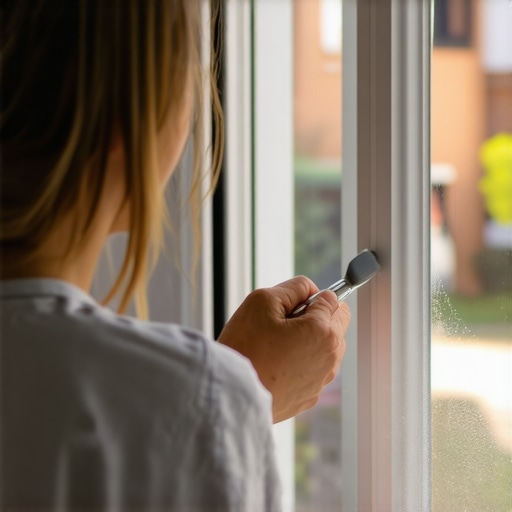
The High-Pitched Scream of an Over-Tightened Window
As a master glazier with a quarter-century in the field, I have heard every sound a building can make. I have heard the groan of a high-rise curtain wall during a gale in Chicago and the subtle pop of an insulated glass unit when the seal finally fails under the desert sun. But nothing drives a homeowner to the edge of madness quite like the shrill, rubbery squeak of a window sash moving against its frame. It is a sound that signals friction, and in the world of fenestration, friction is the precursor to failure. Most people assume the solution involves a call for a total window repair or an expensive contractor to replace windows, but sometimes the answer is found in the medicine cabinet. Before you rip out your glazing, you need to understand the physics of why that sound exists and why a simple mineral like talcum powder is a professional secret for restoration.
A homeowner called me in a panic because their new windows were ‘sweating’ and screaming every time they tried to catch a breeze. I walked in with my hygrometer and showed them the humidity was 60 percent. It was not a manufacturing defect; it was their lifestyle choices combined with a tight building envelope. But the screaming sound? That was the EPDM (Ethylene Propylene Diene Monomer) rubber seals grabbing onto the vinyl sash profile. The windows were so energy efficient and the seals so tight that they were effectively welding themselves together through surface tension. I grabbed a small bottle of talcum powder, applied it to the weatherstripping, and the noise vanished instantly. The homeowner looked at me like I had performed a magic trick, but it was just basic material science.
“Installation is just as critical as the window performance itself. A high-performance window installed poorly will fail.” AAMA Installation Masters Guide
The Science of the Stick-Slip Phenomenon
To understand why your window squeaks, we have to look at the interface between the sash and the frame. Modern operable windows rely on a variety of seals: bulb seals, fin seals, and compression gaskets. These are typically made from synthetic rubbers or flexible PVC. When the window is closed, these seals compress to prevent air infiltration. In northern climates where the temperature swings from sub-zero winters to humid summers, the frame material expands and contracts at a different rate than the glass. A vinyl frame has a high coefficient of thermal expansion. As it heats up, it pushes harder against the rubber seals. This creates what engineers call the ‘stick-slip’ phenomenon. The rubber wants to move, but friction holds it back until the force of your hand overcomes that friction, causing a rapid release and a high-frequency vibration. That vibration is the squeak you hear.
Many homeowners reach for a spray lubricant like WD-40 or a silicone oil. This is a massive mistake. Petroleum-based lubricants can degrade the chemical structure of the rubber seals, causing them to swell, soften, or eventually disintegrate. Silicone sprays can be better, but they often leave a sticky residue that attracts dust, pollen, and grit. Once that grit gets embedded in the seal, it acts like sandpaper, grinding down your glazing bead and scratching the finish of your sash. This leads to a much more expensive window repair or even the need to replace windows prematurely. This is where the talcum powder secret comes into play. Talc is a dry lubricant. It reduces friction without attracting contaminants or reacting with the polymer chains in the weatherstripping.
The Anatomy of the Window Frame
When I examine a window for noise issues, I start at the rough opening. If the original installer did not use a proper shim to level the unit, the frame can become racked. A racked frame means the sash is not sitting squarely in the opening. This puts uneven pressure on the seals, making one side squeak while the other side allows a draft. I check the sill pan for any signs of water intrusion, as moisture can also cause seals to become tacky. The flashing tape must be integrated correctly with the house wrap to ensure that we are not dealing with a structural rot issue masquerading as a simple noise problem. If the frame is square and the weep hole is clear, then the issue is purely the surface tension of the seals.
“Standard practice for installation of exterior windows requires a continuous seal to prevent air and water leakage, but the mechanical movement of the sash must remain uninhibited.” ASTM E2112
Using talcum powder is not just about dumping it on the window. You must first act as a window cleaner. Any dirt on the seal will prevent the powder from adhering. Use a mild soap and water solution to clean the entire perimeter of the sash and the frame. Once the seals are dry, apply the talcum powder to a small brush or a cloth and work it into the crevices of the rubber. You are looking for a thin, invisible layer that breaks the surface tension. This allows the sash to glide over the seal rather than dragging across it. It is a technique used by master glaziers to ensure that high-end wood windows with tight tolerances operate smoothly without the need for heavy mechanical intervention.
When a Squeak Means More: Repair vs. Replace
While talcum powder works wonders for surface friction, you must be able to identify when the noise is a symptom of a deeper failure. If the squeak is accompanied by a grinding sound, you might have a failure in the balance system of a double-hung window or a stripped gear in a casement operator. If you see a fogging between the panes of glass, your insulated glass unit has lost its seal, and no amount of powder will save it. In these cases, you are looking at a professional window repair or the decision to replace windows entirely. In cold northern climates, a failed seal means you are losing your argon gas fill, which significantly raises your U-factor and turns your window into a thermal bridge that bleeds heat to the outside. This results in ice buildup on the interior sash and potential mold growth on the muntin or the drywall return.
A professional window cleaner can often be your first line of defense. They see the windows up close more often than the homeowner. A good cleaner will notice if a glazing bead is popping out or if the weatherstripping is beginning to crack from UV exposure. If you find that you have to apply talcum powder every few weeks, the rubber has likely reached its end of life and has become ‘chalky’ or brittle. At that point, the seals should be replaced. Most modern windows have ‘kerf-mounted’ seals that can be pulled out and replaced with new material, provided you can find the correct profile from the manufacturer.
Conclusion: Maintenance Over Replacement
We live in a throwaway culture where the first instinct is to replace windows the moment they make a noise or show their age. But a well-built window, whether it is vinyl, fiberglass, or wood, can last for decades with proper maintenance. Understanding the relationship between the rough opening, the sash, and the seals is the hallmark of a true glazing expert. By using a dry lubricant like talcum powder, you are respecting the chemistry of the window’s components. You are ensuring that the operable parts can move as intended without the destructive force of friction. Keep your weep holes clear, your glass clean, and your seals lubricated, and you will avoid the thousands of dollars in costs associated with premature replacement. Remember, a window is a complex system designed to manage the boundary between your indoor comfort and the external elements. Treat it with the technical precision it deserves.