Understanding the Molecular Integrity of Your Fenestration
As a master glazier who has spent nearly three decades dangling from swing stages and meticulously shimming high-performance casements, I have seen it all. I have seen Rough Opening tolerances so tight they would make a machinist sweat and Sash alignments that were off by a full inch. But one of the most common calls I get from homeowners does not involve structural failure or thermal bridging. It involves a simple, frustrating hairline scratch on a piece of high-quality glass. Many people immediately think they need to replace windows when they see a blemish, but often, the solution is sitting right in your bathroom cabinet. Before we dive into the mechanics of toothpaste as a polishing compound, we must understand the nature of the substrate we are working with.
A homeowner called me in a panic because their new windows were ‘sweating.’ I walked in with my hygrometer and showed them the humidity was 60 percent. It was not the windows; it was their lifestyle. While we were discussing their ventilation habits, the homeowner pointed out a light scratch on the Glazing Bead and the glass itself, likely caused by a ringside brush during cleaning. This is where the ‘The Glass Class’ begins. Glass is not a solid in the traditional sense; it is an amorphous solid, a frozen liquid with a molecular structure that is both incredibly strong and surprisingly delicate when it comes to surface tension.
“Installation is just as critical as the window performance itself. A high-performance window installed poorly will fail.” – AAMA Installation Masters Guide
The Science of the Scratch
When we talk about a scratch, we are talking about a microscopic valley carved into the silica landscape of your window. In a cold climate like Minneapolis or Chicago, the integrity of your glass surface is paramount. We focus heavily on the U-Factor, which measures the rate of non-solar heat loss. A lower U-Factor means your window is better at keeping the heat inside during those brutal January nights. When you have a scratch on Surface #3 (the indoor-facing surface of the inner pane in a double-pane unit), you are technically creating a point of thermal turbulence, though minor. However, the real issue is aesthetics and light diffraction. A scratch catches the low winter sun and glows, creating a visual distraction that ruins the Visible Transmittance you paid so much for.
Most residential windows are made of soda-lime glass produced via the float process. This involves floating molten glass on a bed of molten tin to create a perfectly flat surface. When that surface is interrupted by a scratch, we need a polishing agent that is harder than the debris in the scratch but softer than the glass itself. This is where toothpaste comes into play. Most standard white toothpastes contain mild abrasives like calcium carbonate or hydrated silica. On the Mohs scale of mineral hardness, glass sits around 5.5 to 7, while calcium carbonate is a 3. This disparity allows the toothpaste to act as a micro-polishing agent, leveling the edges of the scratch without creating new ones.
The Secret Procedure: Step-by-Step Restoration
Before you begin, you must ensure the Operable parts of the window are secured. You do not want the sash moving while you apply pressure. Start by using a high-quality window cleaner to remove all topical contaminants. If you leave a single grain of sand on the glass, you will turn a hairline scratch into a disaster that requires a full window repair or replacement.
- Step 1: The Cleanse. Wash the glass with a lint-free microfiber cloth. Ensure the area around the Glazing Bead is free of dust.
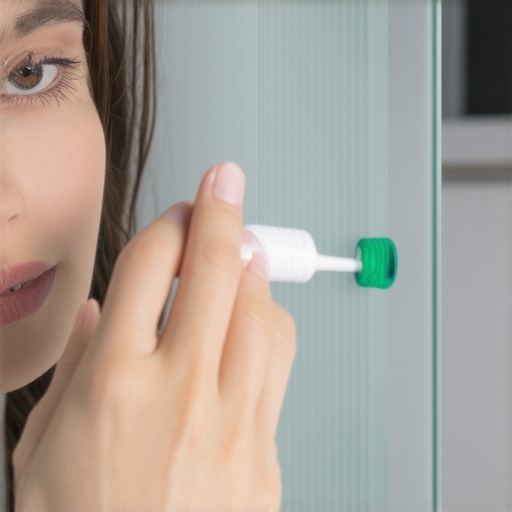
- Step 2: The Application. Apply a small amount of non-gel, fluoride toothpaste to a clean, damp cloth. Do not use the gel variety as it lacks the necessary abrasive particulates.
- Step 3: The Circular Motion. Rub the scratch in a circular motion for 30 to 60 seconds. You are essentially performing a localized abrasion process. You are not ‘filling’ the scratch; you are wearing down the sharp shoulders of the valley so that light no longer catches it.
- Step 4: The Rinse. Use a fresh damp cloth to wipe away the residue and inspect your work.
If the scratch is deep enough that your fingernail catches in it, toothpaste will not be enough. At that point, you are looking at professional cerium oxide polishing or, if the scratch is deep enough to compromise the tempered tension of the pane, a full glass replacement. In cold climates, we also have to be careful about Warm-edge spacers and internal gas fills. If the scratch is the result of an impact that might have stressed the seal, the Argon or Krypton gas could leak, leading to condensation inside the unit. This is why a simple scratch can sometimes be the canary in the coal mine for a failing Insulated Glass Unit (IGU).
Climate Logic and Thermal Performance
In the North, we prioritize keeping heat in. We use Low-E coatings on Surface #3 to reflect long-wave infrared radiation back into the room. If you are polishing glass with such a coating on the surface you are working on, stop immediately. Polishing will strip the microscopic metallic layer, leaving a permanent ‘ghost’ mark on the glass. Fortunately, in most modern double-pane units, the Low-E coating is protected on Surface #2 (inside the sealed unit). Always check your NFRC label to see where your coatings are located before you start any DIY repair.
“Standard Practice for Installation of Exterior Windows, Doors and Skylights requires that the fenestration product be protected from surface damage during and after installation.” – ASTM E2112
I often tell my clients that a window is a system, not just a piece of glass. It includes the Sill Pan that manages water, the Flashing Tape that seals the Rough Opening, and the Weep Hole system that allows the frame to breathe. While toothpaste can fix a minor surface blemish, it cannot fix a poor installation. If your windows are drafty, the scratch on the glass is the least of your concerns. You likely have air infiltration occurring because the installer failed to Shim the frame properly, causing the sash to sit unevenly. This lack of a tight seal is what leads to the high energy bills that people mistakenly blame on the glass itself.
When to Call a Professional
If the toothpaste method fails after three attempts, do not continue. Excessive friction can create heat, and localized heat on a piece of annealed glass can cause a thermal fracture. This is a crack that grows from the edge of the glass toward the center, often in a wavy pattern. At that point, your minor window repair becomes an emergency glass replacement. Professional glaziers use specialized rotary tools with felt pads and varying grades of polishing compounds that can remove deeper scratches while maintaining the optical clarity of the glass. We understand the ‘Dew Point’ and how surface variations can affect condensation patterns. Do not let a high-pressure salesman convince you that a single scratch means you need to spend thirty thousand dollars on a house full of new windows. Often, a skilled glazier can swap out a single IGU for a fraction of the cost, preserving your existing frames and Muntin bars.
Ultimately, window maintenance is about vigilance. Keep your tracks clean so the Weep Hole does not clog, check your caulking for gaps, and address glass scratches early before they collect dirt and become permanent eyesores. Your windows are the eyes of your home; treat them with the technical respect they deserve.