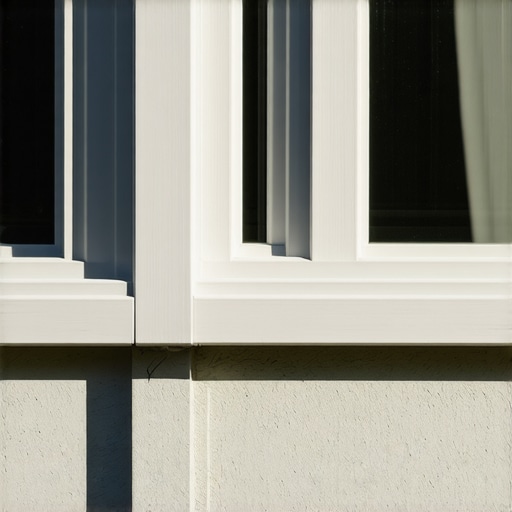
The Anatomy of a Rattle: Why Your Windows Sing in the Wind
As a Master Glazier with over a quarter-century of experience, I have heard every sound a house can make. But nothing grates on a homeowner quite like the rhythmic, persistent clatter of a rattling window sash. This is not merely an annoyance; it is a diagnostic signal. A rattle tells me that the tolerances between your sash and the frame have exceeded their design specifications. Whether it is due to the seasonal contraction of wood, the expansion of low-grade PVC, or the degradation of original weatherstripping, that movement represents a failure in the mechanical seal of your home envelope.
“Installation is just as critical as the window performance itself. A high-performance window installed poorly will fail.” AAMA Installation Masters Guide
A homeowner once called me in a panic because their windows were sweating profusely in the dead of winter. I walked in with my hygrometer and showed them the interior humidity was nearly 60 percent. It was not a window failure; it was a lifestyle and ventilation issue. However, while I was there, the wind picked up, and those same windows began to chatter like teeth in a cold snap. The moisture was a humidity problem, but the noise was a mechanical tolerance problem. We did not need to replace windows that day, but we did need to perform a precise window repair to restore the tension between the sash and the jamb.
The Physics of the Rattle: Air Pressure and Tolerances
In regions like Chicago or Minneapolis, where the U-Factor is the primary metric for comfort, a rattling window is a thermal disaster. When a window rattles, it indicates air infiltration. The U-Factor, which measures the rate of non-solar heat loss, is compromised because the stagnant air layer within the frame is being constantly replaced by cold exterior air. This movement is often caused by a gap in the glazing bead or a sash that is no longer held firm by the weatherstripping. To fix this, we use small clear spacers. These are not mere bits of plastic; they are vibration dampeners designed to fill the void and provide the necessary tension to keep the sash seated against the seal. Before you begin, use a high-quality window cleaner to remove all particulates from the tracks and the glazing bead. Dirt and debris can act as abrasives, further wearing down the components you are trying to stabilize.
Step-by-Step: Implementing the Clear Spacer Solution
To perform this window repair properly, you must first identify the exact point of movement. Close the operable sash and apply gentle pressure. If you feel movement, that is where the spacer belongs. These spacers are typically made of a high-durometer polyurethane or silicone, chosen for their ability to resist compression over thousands of cycles. First, ensure the surface is pristine. Any residue from an old window cleaner or household dust will prevent the adhesive from bonding to the frame or the sash. Once clean, place a shim-style clear spacer into the channel where the sash meets the frame. This increases the lateral pressure, forcing the sash into the weatherstripping. This is a delicate balance. If you provide too much tension, the window becomes difficult to operate. If you provide too little, the rattle persists. You are looking for that sweet spot where the sash slides smoothly but remains immobile under wind load.
The Role of the Rough Opening and Proper Shimming
Sometimes the rattle is not the sash within the frame, but the frame within the wall. During an installation autopsy, I often find that the installer skipped the critical step of shimming the rough opening. If the frame is not perfectly square, the sash will never sit correctly in the tracks. ASTM E2112 states that the window must be installed in a manner that maintains the structural integrity and the air barrier of the wall system. If the frame is bowed because of a lack of support shims, the glazing bead will never hold the glass tightly. In these cases, clear spacers are a temporary fix for a foundational installation error.
“Standard practice for installation of exterior windows, doors and skylights requires that the unit be level, plumb, and square to ensure proper operation and performance.” ASTM E2112
When to Stop Repairing and Start Replacing
While clear spacers are an excellent tool for silencing a noisy window, they cannot fix a window that has reached the end of its functional life. If your windows are single-pane units from the 1970s, no amount of window repair will give you the thermal performance of a modern IGU (Insulated Glass Unit). In cold climates, we focus on Surface #3 Low-E coatings to reflect long-wave infrared radiation back into the room. If your current windows feel like a sheet of ice in January, it may be time to replace windows with triple-pane units featuring argon or krypton gas fills and warm-edge spacers. These modern systems use multi-point locking mechanisms that eliminate rattles by pulling the sash tight against multiple layers of high-performance weatherstripping, providing a seal that clear spacers can only mimic on older frames.