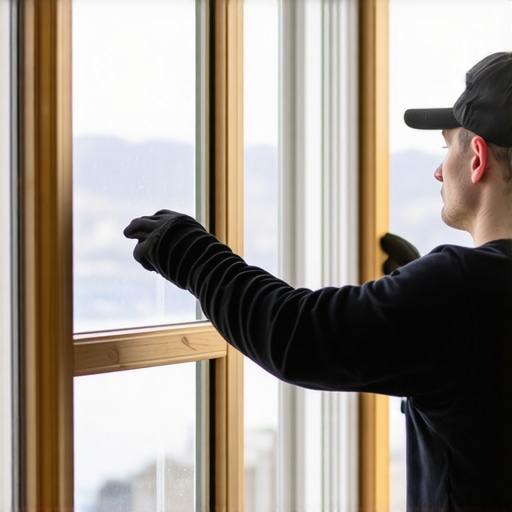
The Frustration of the Frozen Sash
There is a specific, guttural groan that a wood window makes when it is fighting against its own frame. If you have lived in an older home, you know that sound well. It is the sound of friction, moisture, and often, decades of neglect. As a glazier with over two decades in the field, I have seen homeowners ready to spend forty thousand dollars to replace windows because they simply could not get their sashes to budge. They assume the wood is warped beyond repair or that the house has settled so severely that the Rough Opening has become a trapezoid. Most of the time, they are wrong. The solution usually does not involve a belt sander or a pry bar, it involves understanding the physics of wood and the chemistry of the lubricants that keep it moving.
A homeowner called me in a panic last February because their new windows were ‘sweating’ and the old ones in the guest room were completely seized. I walked in with my hygrometer and showed them the humidity was 60 percent. It was not the windows failing; it was their lifestyle and their lack of a proper ventilation strategy. That moisture was not just sitting on the glass, it was being absorbed into the cellular structure of the wood sashes, causing them to swell until they were physically too large for the tracks. This is the Equilibrium Moisture Content (EMC) at work. Wood is a hygroscopic material, meaning it is constantly exchanging moisture with the air. When the indoor air is too humid, those wood fibers expand, and suddenly, you have a window repair situation that looks like a structural failure but is actually just a climate issue.
“Installation is just as critical as the window performance itself. A high-performance window installed poorly will fail.” – AAMA Installation Masters Guide
The Anatomy of Friction in Wood Fenestration
To understand why windows stick, you have to look at the Sash and the Jamb. In a traditional double-hung window, the sash moves within a channel. This channel is often protected by a Glazing Bead or a stop. Over time, three things happen. First, paint builds up. This is the ‘landlord special’ where layers of latex paint act like glue. Second, the Sill Pan or the bottom of the frame accumulates dirt and atmospheric soot. Third, the wood itself expands laterally. When you reach for a window cleaner, you are usually just cleaning the glass, but the real culprit is hidden in the tracks.
The secret to restoring these windows without sanding is a two-phase approach: chemical cleaning and dry lubrication. Sanding is actually the enemy of a historic window. When you sand, you strip away the tight-grained ‘skin’ of old-growth timber, exposing the more porous heartwood which absorbs even more moisture. Furthermore, in homes built before 1978, sanding is a major lead-paint hazard. Instead of reaching for the sandpaper, we use a combination of heat and specific solvents to break the bond of old paint and debris.
Phase One: The Chemical and Mechanical Release
Start by examining the Muntin bars and the meeting rail. If there is paint bridging the gap between the sash and the stop, use a sharp utility knife to score the paint line. This is a precision job. You are not trying to cut the wood; you are breaking the surface tension of the paint. Once the paint is scored, we use a specialized window cleaner that contains a high concentration of surfactants to penetrate the track. We are looking to dissolve the grime that acts like sandpaper within the channel. This is the ‘Glazing Zooming’ aspect of the repair: we are looking at the microscopic interaction of the wood fibers and the atmospheric pollutants trapped between them.
If the window is truly seized, a small amount of concentrated heat from a heat gun, applied carefully to the stop (not the glass!), can soften the old paint just enough to allow the sash to move. Once you get that first inch of movement, the battle is half won. You then move the sash up and down repeatedly to let the internal Shim and weights redistribute. If the window uses a pulley system, check the Sash cord. A frayed cord creates uneven tension, pulling the sash at an angle and causing it to bind against the jamb.
Phase Two: The Science of Lubrication
Once the tracks are clean, most people make the mistake of using WD-40 or silicone spray. As a master glazier, I find this intolerable. Oils and wet lubricants attract dust, which eventually turns into a grinding paste that destroys the wood. Instead, we use paraffin wax or a high-grade beeswax. Why? Because wax is hydrophobic and provides a ‘dry’ slide. It fills the microscopic voids in the wood grain without swelling the fibers. You rub the wax block directly onto the Jamb and the edges of the sash. The difference is immediate and mechanical. You are reducing the coefficient of friction to nearly zero while simultaneously providing a moisture barrier that prevents the wood from reacting to the next humidity spike.
“Standard practice for installation of exterior windows, doors, and skylights requires that all components be maintained to ensure the integrity of the water-resistive barrier.” – ASTM E2112
Thermal Logic and the Northern Climate
In colder climates like Chicago or Minneapolis, the sticking usually happens because of Heat Loss. When warm, moist indoor air hits the cold glass, it condenses and runs down into the Sill Pan. This water has nowhere to go if your Weep Hole is clogged. It sits there, soaking into the bottom rail of the sash. This is why U-Factor is so critical. A lower U-Factor means the interior surface of the glass stays warmer, which reduces condensation. If you are struggling with sticky windows every winter, your problem might not be the wood; it is your Solar Heat Gain and insulation strategy. By applying a Low-E film or ensuring your storm windows are properly seated with Flashing Tape, you can keep that wood dry and moving freely year-round.
Conclusion: Maintenance Over Replacement
Before you call a salesman to replace windows, try the wax and the score. Restoration is a science of patience. By respecting the Rough Opening and understanding the hygroscopic nature of your home, you can keep original wood windows functional for another century. A window is a machine, and like any machine, it requires the right lubricant and a clean environment to operate. Stop sanding away your home’s history and start managing the moisture and friction that are the true enemies of a smooth-sliding sash.