The Anatomy of Friction: Why Your Sliding Door is Fighting You
A sliding glass door is a marvel of engineering, essentially a massive operable glass sash that must glide across a narrow rail with minimal resistance. However, when that 200 pound unit starts to feel like you are dragging a concrete block across a gravel pit, you are dealing with a failure of the mechanical system. As a master glazier, I have seen homeowners resort to brute force, which eventually snaps the handle or bends the interlocking stile. The truth is that window repair for a sliding door often begins not with the glass, but with the track and the tandem roller assemblies hidden beneath the frame.
The Condensation Crisis: A Narrative Autopsy
I recall a homeowner who called me in a panic because their new high-performance sliding windows were sweating and the doors were nearly impossible to budge. I walked in with my hygrometer and showed them the humidity was 60 percent. It was not the windows; it was their lifestyle choices combined with a lack of ventilation. That moisture was not just on the glass; it was draining into the track, mixing with household dust, and creating a literal cement that was grinding the rollers to a halt. This is the Installation Autopsy of a failed maintenance cycle. When moisture cannot escape through the weep hole system, it stagnates, leading to the degradation of the track surface and the eventual flat-spotting of the rollers.
“Installation is just as critical as the window performance itself. A high-performance window installed poorly will fail.” – AAMA Installation Masters Guide
The Physics of the Slide: Rollers and Rails
The Rough Opening of a sliding door must be perfectly level. If the shim placement was off during the initial installation, the sill pan will bow. Even a sixteenth of an inch of deflection can cause the rollers to bind. Most sliding doors utilize tandem rollers made of either nylon, steel, or stainless steel. Nylon is quiet but prone to flat-spotting if the door sits idle for too long in high heat. Steel is durable but will corrode if you live in a climate where condensation is frequent. In the North, where heat loss is the enemy, the U-Factor of your glass is king. You want a low U-Factor to keep the heat inside, but that large glass surface also creates a massive cold plane that can lead to track icing if the Glazing Bead or the thermal break in the aluminum frame is compromised.
The Track Cleaning Secret: Beyond the Vacuum
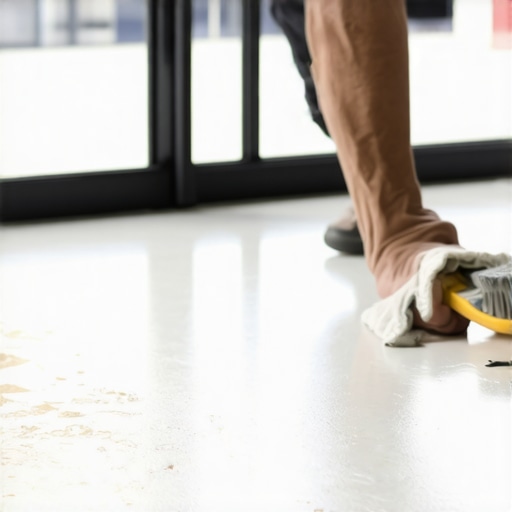
Most people think a window cleaner is just for the glass, but a professional knows the track is where the real work happens. If you want to replace windows less often, you must master track maintenance. The secret is not WD-40. In fact, never use oil-based lubricants; they are dust magnets that will create a grinding paste. After vacuuming the heavy debris, use denatured alcohol on a microfiber cloth to strip the track down to the bare metal or vinyl. Once clean, apply a dry silicone spray. This creates a hydrophobic, low-friction surface that does not attract pet hair or grit. Check your weep hole exits. If these are clogged with mulch or dirt, water will back up into the track, causing the metal components of your rollers to rust and seize.
“The performance of a fenestration product is dependent on the quality of the installation and the maintenance of its drainage systems.” – ASTM E2112
When Cleaning is Not Enough: Determining the Need for Window Repair
If the door is clean but still grinds, the rollers have likely reached the end of their service life. You can often find the adjustment screws at the bottom of the door sash. Turning these will raise or lower the rollers to compensate for a slightly out of square Rough Opening. However, if the door has dropped to the point where it is scraping the sill pan, the roller housing has likely collapsed. This is a common window repair task that involves deglazing or carefully removing the operable panel to swap out the hardware. In cold climates, we look for Low-E coatings on Surface 3 to reflect radiant heat back into the room, but no amount of high-tech glass will compensate for a door that won’t close tight enough to engage the weatherstripping. If the frame itself is warped or the Muntin bars are hitting the fixed panel, it might be time to replace windows with a more stable fiberglass or thermally broken aluminum option.
Thermal Logistics and Climate Context
In Minneapolis or Chicago, the enemy is the dew point. When warm, moist indoor air hits the cold track of a sliding door, it liquefies. If your Flashing Tape was not applied correctly during installation, that moisture can migrate into the subfloor, causing rot that goes unnoticed for years. This is why we emphasize the Shingle Principle: every layer of the window assembly must overlap the one below it to shed water outward. A sliding door is effectively a giant weep hole for the wall if it is not maintained. Ensure your Glazing Bead is tight and that there are no gaps where air can infiltrate, as this air leakage contributes more to your energy bill than the glass conductivity itself. Focus on the U-Factor and the airtightness of the operable joints. A door that slides easily is a door that seals tightly.