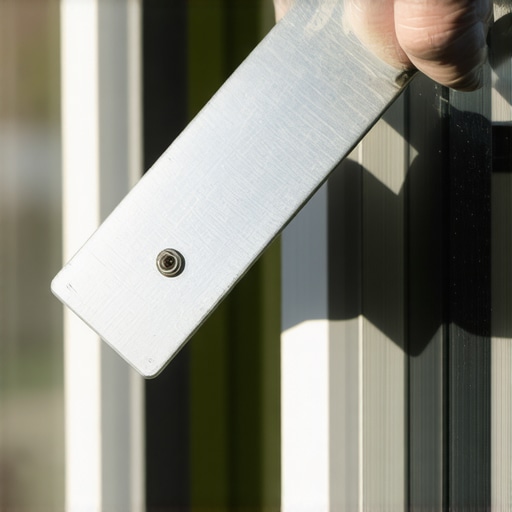
The Counter-Intuitive Reality of Professional Glazing
In twenty-five years of handling everything from high-performance curtain walls to the most delicate historic wood sash, I have seen more glass ruined by a brand-new razor blade than by years of neglect. It sounds like heresy to the uninitiated. You would think that a fresh, surgically sharp edge is the safest tool for a window cleaner or someone performing a window repair. But in the world of modern fenestration, where heat-strengthened and tempered glass are the standards, a razor that is too sharp or more accurately, a razor that hasn’t been properly vetted for the surface can be a destructive force. I remember a specific case that highlights this perfectly. A homeowner called me in a panic because their new windows were sweating and covered in what looked like permanent streaks. I walked in with my hygrometer and showed them the humidity was 60 percent. It wasn’t the windows; it was their lifestyle. But more importantly, when we looked at the glass under a magnifying lamp, the streaks weren’t just moisture. A previous cleaner had used a brand-new, high-carbon steel blade on tempered glass, and they had effectively carved a roadmap of scratches into the surface. They thought a sharper blade would make the job easier, but they didn’t understand the microscopic landscape of the glass they were working on.
The Microscopic Landscape of Tempered Glass
To understand why a duller or broken-in blade is often safer, we have to talk about the physics of glass fabrication. Most people assume glass is a perfectly smooth, solid plane. It isn’t. When we manufacture tempered glass, it travels through a tempering furnace on ceramic rollers. If those rollers are not perfectly clean, they can pick up microscopic glass particles known as fines. These fines then fuse back onto the surface of the glass as it cools. In the trade, we call this fabrication debris. When you take a surgically sharp, brand-new blade and run it across this surface at a steep angle, that blade will catch on every single one of those fused fines. Instead of simply gliding over them, the sharp edge grabs the particle and drags it across the glass, creating what we call tiger stripes. A blade that has been used slightly or one that is made of a softer stainless steel often lacks the aggressive bite required to snag those fines, allowing it to skip over the debris rather than turning it into a glass-cutting stylus.
“Installation is just as critical as the window performance itself. A high-performance window installed poorly will fail.” AAMA Installation Masters Guide
The Science of the Blade and Surface Tension
When you decide to replace windows or perform a window repair, you are often dealing with different glass types. Annealed glass, which hasn’t been heat-treated, is much more forgiving. You can take a sharp blade to it all day. However, most modern residential codes require tempered glass in any sash that is within a certain distance of a door or a floor. This is where the danger lies. A window cleaner often faces the challenge of removing paint overspray, silicone, or construction adhesive. The instinct is to grab a fresh blade. However, the sharpness of a new blade creates a high-pressure point at the microscopic edge. This pressure, when it meets a raised piece of fabrication debris, exceeds the fracture point of the surrounding glass. By using a blade that has had its edge slightly rounded or by using a less aggressive stainless steel blade, the pressure is distributed more evenly. This allows the blade to lift the contaminant paint or glue without catching the glass fines themselves.
Low-E Coatings and the Scraper Trap
We also have to consider the role of Low-E coatings. In northern climates where we prioritize the U-Factor to keep heat inside, the Low-E coating is typically on Surface #3. In southern climates where Solar Heat Gain Coefficient (SHGC) is the enemy, the coating is on Surface #2. In some high-performance units, there is even a hard-coat Low-E on Surface #4, which is the interior side facing the room. If you take a scraper to Surface #4, you aren’t just cleaning the glass; you are literally scraping off the expensive metallic oxides that provide the thermal performance. A duller blade or a plastic scraper is the only way to test the surface without causing immediate, irreversible damage to the thermal envelope. If you are unsure whether your window has an interior coating, you should never use a metal blade at all. The rough opening of the window and the glazing bead should be checked for labels that indicate the presence of these coatings before any maintenance is performed.
“The use of scrapers or blades on glass surfaces can result in permanent damage if fabrication debris is present or if the glass has a specialty coating.” ASTM E2112 Standard Practice
The Proper Technique for Window Maintenance
If you must use a blade, the process is about more than just the tool. It is about lubrication and angle. You must saturate the glass with a high-quality surfactant. This creates a barrier that helps the blade glide. You should only ever scrape in one direction. Never pull the blade backward. Pulling a blade backward is the most common way to trap a piece of debris under the edge and create a deep gouge. A master glazier knows that the sound of the scrape tells you more than your eyes do. A high-pitched, rasping sound means you are hitting debris. A smooth, silent glide means the surface is clean. By using a blade that isn’t excessively sharp, you increase the tactile feedback, allowing you to feel the obstructions before you exert enough force to cause a scratch. This is why many veterans in the window repair industry will actually run a new blade across a piece of cardboard or a scrap of wood a few times to take the burr off the edge before it ever touches a client’s glass.
Why Material Science Matters
The frame material also dictates how we approach cleaning and scraping. Vinyl frames expand and contract significantly with temperature changes. This movement can often squeeze glazing sealants out onto the glass surface. These sealants are notoriously difficult to remove. A sharp blade can easily nick the vinyl sash, creating a permanent scar that traps dirt. A duller blade or a specialized plastic tool allows you to lift the sealant without compromising the integrity of the sash or the glazing bead. In contrast, fiberglass frames are much more stable, but their powder-coated finishes are equally susceptible to damage from an errant sharp edge. Whether you are a professional window cleaner or a homeowner trying to maintain your investment, you must respect the chemistry of the materials involved. Water management is a science, but glass preservation is an art. Don’t be the person who ruins a five-thousand-dollar window installation because you wanted to save five minutes with a brand-new razor blade. Understand your glass, respect the tempering process, and remember that sometimes, a little less edge is exactly what you need to keep your view clear and your glass intact.
[{ “@context”: “https://schema.org”, “@type”: “HowTo”, “name”: “How to Safely Scrape Glass Without Scratching”, “step”: [ { “@type”: “HowToStep”, “text”: “Identify the glass type and check for any surface coatings on the interior or exterior.” }, { “@type”: “HowToStep”, “text”: “Apply a generous amount of water and surfactant to the glass surface to provide lubrication.” }, { “@type”: “HowToStep”, “text”: “Use a stainless steel blade that has been slightly broken-in on a piece of cardboard to remove the initial burr.” }, { “@type”: “HowToStep”, “text”: “Hold the blade at a 15-degree angle and move in a single forward motion only.” }, { “@type”: “HowToStep”, “text”: “Rinse the surface and inspect for any fabrication debris using a magnifying light.” } ] }]